Cuba releases 2,000 prisoners amid Trump pressure, energy crisis
Cuba's government releases over 2,000 prisoners citing good behavior and health conditions as U.S. sanctions worsen the island's economic crisis.
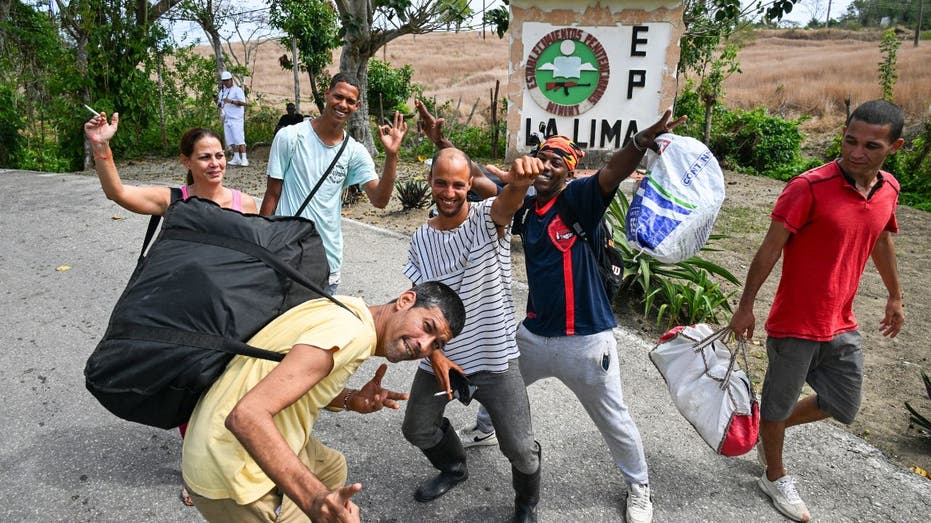
Cuba's government has released over 2,000 prisoners in a move described as a "humanitarian and sovereign gesture" by the Cuban Embassy in Washington. The decision comes as the island faces mounting economic pressure from U.S. sanctions and a worsening energy crisis. The release, which includes young people, women, older adults, foreign nationals, and Cuban citizens living abroad, is based on provisions of the country's constitution, citing factors such as good behavior, time already served, and health conditions.
Officials emphasized that the move excludes prisoners convicted of serious crimes, including murder, sexual assault, violent robbery, drug offenses, and corruption of minors, as well as repeat offenders. The government stated that the decision was made after a careful analysis of the nature of the offenses committed by the inmates and their conduct while in prison.
This is the second prisoner release this year and coincides with Holy Week, a time when Cuban officials have traditionally undertaken such actions. The move comes amid a deepening economic and energy crisis in Cuba, driven in part by renewed pressure from the Trump administration aimed at cutting off the island's access to foreign oil. U.S. sanctions have contributed to widespread fuel shortages, blackouts, and growing unrest across the country.
President Donald Trump has threatened tariffs on any country that sends oil to Cuba and has pressured nations such as Mexico to halt shipments as part of a broader effort to squeeze the island's energy supply. Despite these challenges, the U.S. has allowed a tanker to deliver fuel to Cuba, albeit under controversial circumstances.
The energy crisis in Cuba has reached a critical point, with the entire electrical grid collapsing, leaving the entire island without power. This blackout has sparked protests, further exacerbating the tensions between Cuba and the United States.
The Trump administration's pressure campaign has intensified in recent months, with the U.S. imposing new sanctions on the island and targeting its energy supply chain. These actions have led to a severe shortage of fuel, causing widespread power outages and disrupting daily life for Cubans.
In response to the crisis, the Cuban government has sought alternative sources of fuel, including from Russia. Reports suggest that Russia has been shipping fuel to Cuba using "spoofing" tactics to challenge the U.S. embargo. While the extent of these efforts remains unclear, it is evident that the Trump administration's sanctions have forced Cuba to look for creative solutions to its energy woes.
The prisoner release comes as Cuba struggles to manage its economic and energy challenges while navigating the complex dynamics of its relationship with the United States. The decision to free over 2,000 inmates is presented as a humanitarian act, but it also serves as a response to the mounting pressures imposed by U.S. policies.
Cuban officials have described the release as part of a customary tradition during Holy Week, a time when the government has historically taken steps to address social and economic issues. This year, however, the context is markedly different, with the island facing unprecedented economic hardships and political tensions with the United States.
The Trump administration's aggressive stance towards Cuba has been met with criticism from human rights organizations and international observers. Critics argue that the sanctions disproportionately harm the Cuban population, exacerbating the country's existing economic struggles.
In the face of these challenges, the Cuban government has been forced to make difficult decisions, such as releasing prisoners to alleviate overcrowded prisons and address humanitarian concerns. The recent release of over 2,000 inmates is a stark reminder of the impact of U.S. policies on the island and the lengths to which Cuba is willing to go to protect its citizens' well-being.
As the crisis continues to unfold, it remains to be seen how the Trump administration's pressure campaign will evolve and what long-term consequences it will have for Cuba's economy and society. One thing is clear, however: the release of over 2,000 prisoners is a significant development in an already tumultuous chapter of Cuban history.