
Cross-Cultural Communication in a Global Network Team
Network engineers often navigate global teams across time zones, where cross-cultural communication is essential. Success requires empathy, clear documentation and avoiding assumptions.
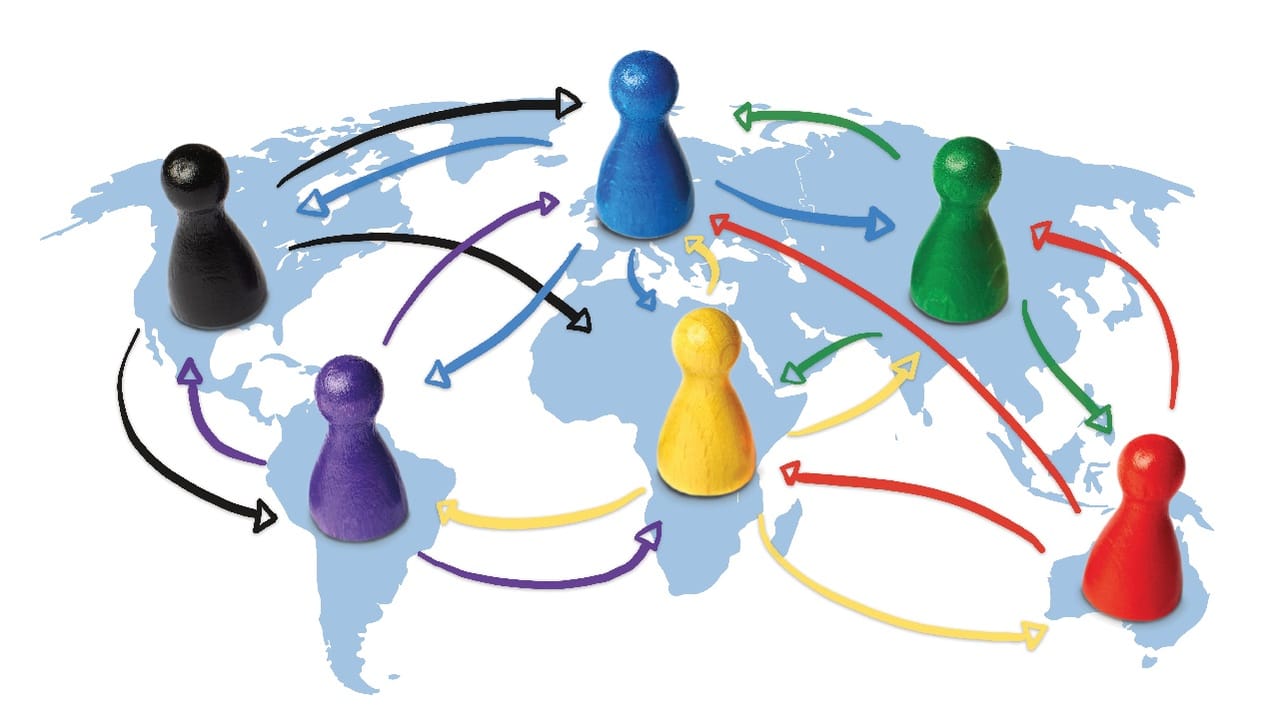
In an increasingly interconnected world, global network teams have become the norm for many organizations. These teams, spread across different time zones and cultural backgrounds, rely heavily on effective cross-cultural communication to succeed. Network engineers, in particular, face unique challenges in navigating these diverse environments. Understanding the nuances of communication across cultures, managing time zone differences, and fostering empathy are all critical components of building successful global teams.
One of the primary challenges in cross-cultural communication is the diversity in communication styles. In some cultures, direct communication is valued, while others prefer indirect or more contextual exchanges. Engineers working in global teams must be aware of these differences to avoid misunderstandings. For instance, a direct request from an engineer in a high-context culture might be perceived as rude by someone from a low-context culture. To bridge this gap, empathy becomes essential. By striving to understand the perspectives and communication preferences of team members, engineers can foster a more inclusive and collaborative environment.
Clear documentation is another crucial aspect of cross-cultural communication in global teams. When team members are spread across different time zones, relying on verbal communication can lead to misinterpretations or missed details. Written documentation ensures that everyone has access to the same information, regardless of their location. It also provides a reference point for discussions and decisions, reducing the risk of assumptions that can lead to errors. Engineers should prioritize clarity and conciseness in their documentation, avoiding jargon or technical terms that might not be universally understood.
Avoiding assumptions is equally important in cross-cultural communication. Engineers must be cautious about generalizing cultural norms or expectations, as these can often be inaccurate or outdated. For example, assuming that a team member from a collectivist culture will always prioritize group harmony over individual needs can lead to misunderstandings. Instead, engineers should actively seek to learn about their colleagues' backgrounds and values, and be open to feedback. This approach not only promotes mutual respect but also enhances problem-solving and decision-making within the team.
Training and development programs can play a significant role in improving cross-cultural communication skills among network engineers. Such programs can provide insights into different cultural practices, communication styles, and work norms. They can also offer practical tools and strategies for navigating cultural differences and fostering effective collaboration. By investing in the professional development of their team members, organizations can create a more cohesive and productive global network.
In conclusion, cross-cultural communication in global network teams requires a blend of empathy, clear documentation, and a willingness to avoid assumptions. By understanding and respecting cultural differences, engineers can build strong, inclusive teams that thrive despite geographical and temporal barriers. As the world becomes more interconnected, the ability to communicate effectively across cultures will remain a critical skill for network engineers and organizations alike.









