
Could the next pope come from Africa or Asia?
Those are the regions where the Catholic church is growing fastest
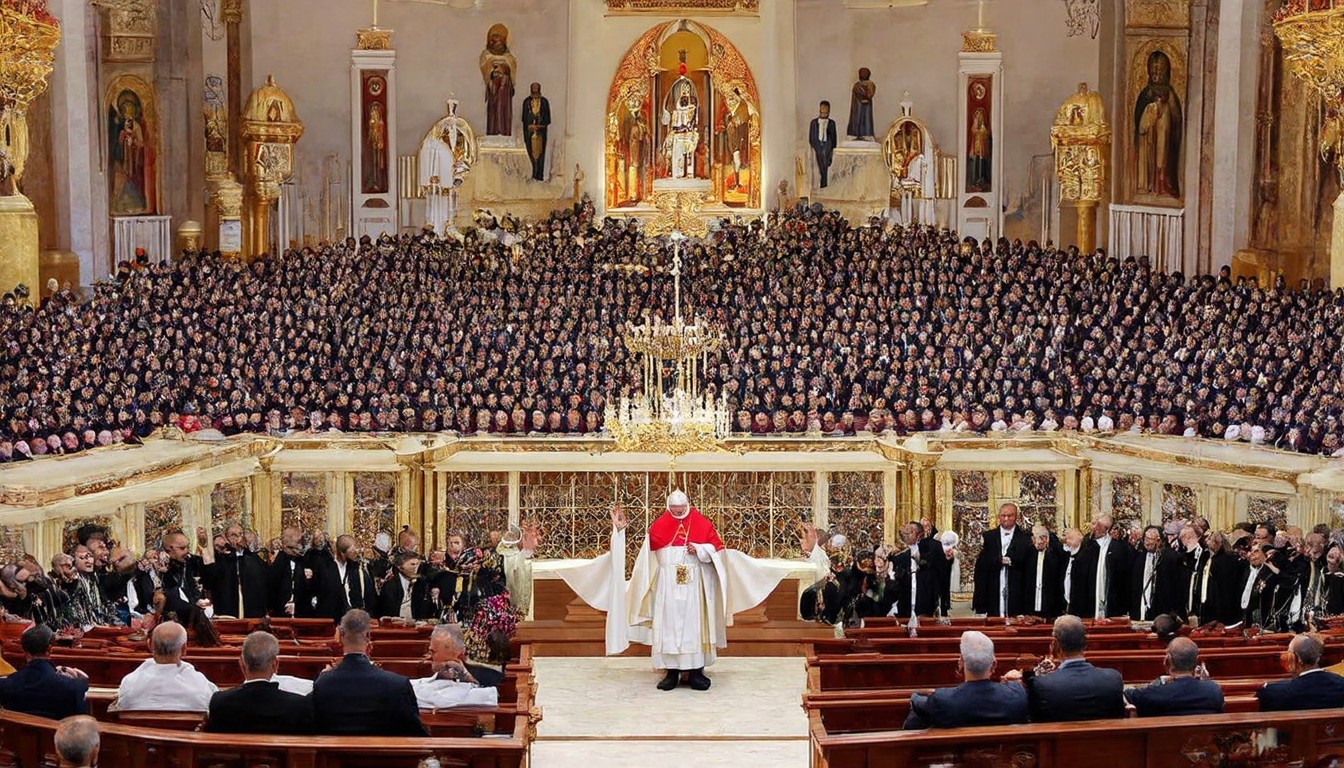
In recent years, the Catholic Church has been experiencing significant growth in regions traditionally not considered its epicenter. As the Church continues to expand its reach, questions are being raised about the potential for the next pope to hail from Africa or Asia. These continents are where the Church is seeing the fastest growth in terms of both membership and influence.
The Catholic Church's rapid expansion in Africa and Asia is a testament to its adaptability and ability to connect with diverse cultures and communities. In Africa, the Church has been instrumental in addressing social issues such as poverty, disease, and conflict. Its efforts have resonated with many, leading to a surge in new converts. Similarly, in Asia, the Church has been able to navigate the complex religious landscape, engaging with Buddhism, Hinduism, and Islam while still attracting a growing number of followers.
One of the key factors driving this growth is the Church's commitment to social justice and development. In many parts of Africa and Asia, the Church has been at the forefront of providing education, healthcare, and humanitarian aid. These initiatives have not only helped alleviate some of the region's most pressing challenges but have also positioned the Church as a trusted and relevant institution.
Moreover, the Church's emphasis on family values and moral teachings has found a receptive audience in these regions. In many cultures, traditional values are still highly regarded, and the Church's teachings on marriage, family, and morality have been well-received. This alignment has contributed to the growing appeal of the Church in Africa and Asia.
The potential for the next pope to be from Africa or Asia is not without precedent. In 1978, Pope John Paul II became the first non-Italian pope in over 400 years, marking a significant shift in the Church's leadership. Since then, the College of Cardinals, which elects the pope, has seen an increasing number of members from Africa and Asia. This demographic shift is a reflection of the broader changes occurring within the Church.
The prospect of a pope from Africa or Asia would represent a historic milestone, symbolizing the global and diverse nature of the Catholic Church. It would also signal a continued commitment to addressing the challenges faced by these regions, such as poverty, inequality, and religious conflict.
However, the election of a pope from Africa or Asia would not be without its challenges. The papacy has long been associated with Italian leadership, and some may question whether a non-Italian pope would be able to maintain the same level of influence and authority. Additionally, there may be concerns about the potential impact on the Church's traditional teachings and its relationship with other religious institutions.
Despite these challenges, the growing influence of the Catholic Church in Africa and Asia is undeniable. As the Church continues to expand and diversify, the possibility of a pope from these regions becomes increasingly plausible. This development would not only reflect the Church's global outreach but also underscore its commitment to inclusivity and adaptation in the face of a rapidly changing world.
In conclusion, the Catholic Church's rapid growth in Africa and Asia is a reflection of its ability to connect with diverse cultures and address pressing social issues. The potential for the next pope to hail from these regions is a testament to the Church's evolving landscape and its commitment to global leadership. While there may be challenges to overcome, the prospect of a pope from Africa or Asia would represent a historic and significant shift in the Church's history. As the Church continues to grow and adapt, the future of its leadership remains an open and exciting possibility.









