Could China's adoption of electric vehicles shield it from the energy crisis?
As crude prices hover around the $110 per barrel mark on Monday morning, consumers worldwide are feeling the impact of the war in Iran and the closure of the Hormuz Strait when they head to the petrol pump. In China, where more than half of new car sales are for electric vehicles, that impact may be less pronounced, as France 24’s Bryan Quinn explains in his report. Also in this edition, "Super Mario Galaxy Movie" has achieved the best opening release of the year so far.
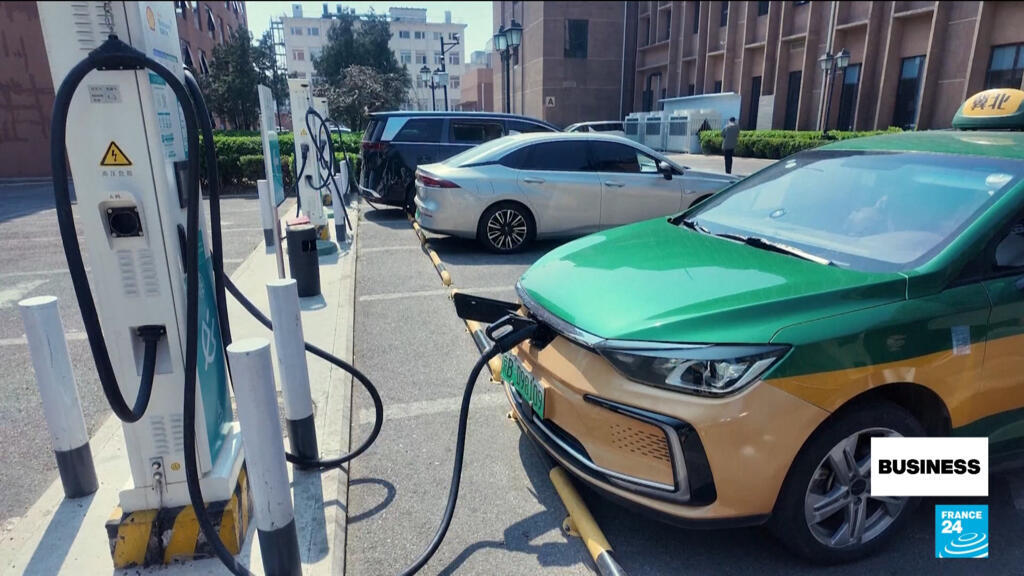
As crude oil prices continue to soar, reaching nearly $110 per barrel, the global energy crisis is intensifying. Consumers worldwide are already feeling the pinch at gas stations, exacerbated by geopolitical tensions in Iran and the closure of the Hormuz Strait. In this volatile landscape, China is emerging as an intriguing case study. With more than half of its new car sales now comprising electric vehicles, the country may be better positioned to mitigate the energy crisis's impact compared to other nations reliant on fossil fuels.
China's rapid adoption of electric vehicles (EVs) is a result of strategic government policies and significant investments in infrastructure. Over the past decade, the Chinese government has aggressively promoted EVs through subsidies, tax incentives, and the expansion of charging networks. This approach has not only spurred domestic production but also positioned China as a global leader in EV technology and manufacturing.
The shift towards EVs in China is also driven by environmental concerns. The country has long grappled with severe air pollution, and the push for cleaner transportation is seen as a critical step towards improving air quality. By prioritizing EVs, China is not only reducing its dependence on imported oil but also addressing its environmental challenges.
Despite the advantages of EVs, there are concerns about the energy sources powering these vehicles. China's electricity grid remains heavily reliant on coal, raising questions about the environmental benefits of EVs in the short term. However, the country's commitment to renewable energy, such as wind and solar power, suggests that the transition towards greener energy sources could eventually make EVs a more sustainable choice.
In contrast to the energy crisis, the entertainment industry is experiencing a surge of positive news. The "Super Mario Galaxy Movie" has achieved the best opening release of the year so far, captivating audiences with its nostalgic charm and innovative storytelling. The film's success highlights the enduring appeal of classic gaming franchises and underscores the potential for the entertainment sector to thrive amid economic uncertainties.
While the energy crisis looms large, China's EV adoption presents a potential pathway to resilience. By investing in sustainable transportation and renewable energy, the country could not only reduce its vulnerability to oil price fluctuations but also pave the way for a cleaner, more sustainable future. As global markets navigate the complexities of the energy crisis, China's strategy offers valuable insights into the possibilities of a more sustainable future.