Conversion politics, the challenge to secularism
Anti-conversion laws risk deepening social divisions
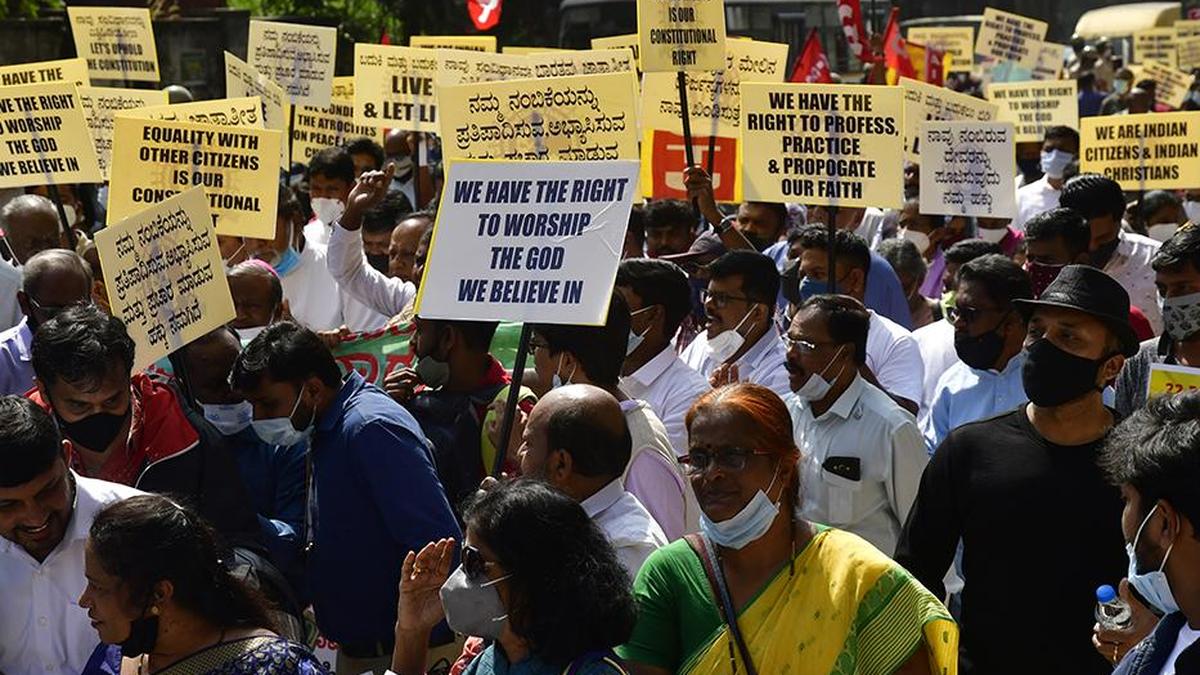
In recent years, the issue of conversion politics has emerged as a significant challenge to secularism in many parts of the world. As societies grapple with the complexities of religious diversity and the rights of individuals, anti-conversion laws have become a contentious topic, risking to deepen social divisions rather than fostering harmony.
The push for anti-conversion legislation often stems from concerns about the protection of religious minorities and the preservation of cultural traditions. Proponents argue that such laws are necessary to prevent forced conversions and to safeguard the freedom of religious groups from coercive practices. However, critics contend that these laws can inadvertently lead to the stigmatization and marginalization of individuals who choose to change their religious affiliation.
One of the primary concerns with anti-conversion laws is their potential to infringe upon the fundamental right to freedom of religion. The United Nations Declaration on the Elimination of All Forms of Religious Intolerance explicitly states that no one should be coerced into adopting a religion against their will. While the intent behind anti-conversion laws may be to protect against such coercion, the implementation of these laws can sometimes result in the criminalization of peaceful religious dialogue and the expression of faith.
Moreover, the application of anti-conversion laws can exacerbate social tensions, particularly in societies that are already grappling with deep-seated religious and cultural divides. In some cases, these laws have been used as a tool to delegitimize certain religious groups or to suppress dissenting voices within a society. This can create an environment of fear and mistrust, where individuals are hesitant to express their true beliefs or to engage in open dialogue about religious matters.
The impact of anti-conversion laws is not limited to the individuals directly affected but also extends to the broader societal fabric. By fostering an atmosphere of suspicion and intolerance, these laws can hinder interfaith dialogue and cooperation, which are essential for addressing shared challenges such as poverty, inequality, and environmental issues. In essence, the focus on restricting conversions can divert attention and resources away from the more pressing need for inclusive policies that promote coexistence and mutual respect among different religious communities.
In addition to the legal and social implications, the challenge posed by conversion politics to secularism also raises important questions about the role of the state in regulating religious practices. Secularism, which advocates for the separation of religious institutions from state affairs, is often seen as a cornerstone of modern democratic societies. However, the introduction of anti-conversion laws can be viewed as a departure from this principle, as the state becomes increasingly involved in regulating religious beliefs and practices.
This tension between secularism and the protection of religious minorities is particularly evident in countries with diverse religious populations. For instance, in India, which is home to a multitude of religious groups, the Supreme Court's decision to uphold anti-conversion laws has sparked widespread debate. Critics argue that such laws undermine the secular ethos of the nation, while supporters contend that they are necessary to protect marginalized communities.
The challenge to secularism posed by conversion politics is a complex one, requiring careful consideration of the rights of individuals, the protection of religious minorities, and the promotion of social harmony. As societies continue to grapple with these issues, it is crucial to find a balance that upholds the fundamental freedoms of all citizens while ensuring the safety and well-being of religious minorities. This may involve reevaluating the effectiveness of anti-conversion laws and exploring alternative approaches that prioritize dialogue, understanding, and mutual respect over legal restrictions.
Ultimately, the debate surrounding conversion politics serves as a reminder of the delicate balance that must be struck in a secular society. While the intent behind anti-conversion laws may be to protect religious minorities, their implementation can inadvertently lead to unintended consequences that deepen social divisions and challenge the very principles of secularism. As such, it is imperative for policymakers, religious leaders, and civil society organizations to engage in open and inclusive dialogue, seeking solutions that uphold the dignity and rights of all individuals while fostering a culture of tolerance and understanding.