
Convergent evolution increases boron transport through SNPs and tandem duplications at BOR1 and BOR2 in Arabidopsis thaliana
Proceedings of the National Academy of Sciences, Volume 123, Issue 13, March 2026. SignificanceBoron is an essential nutrient for plant growth, but many soils lack sufficient amounts, limiting crop production worldwide. To understand how plants adapt to boron-deficient environments, we studied wild mustard plants that naturally ...
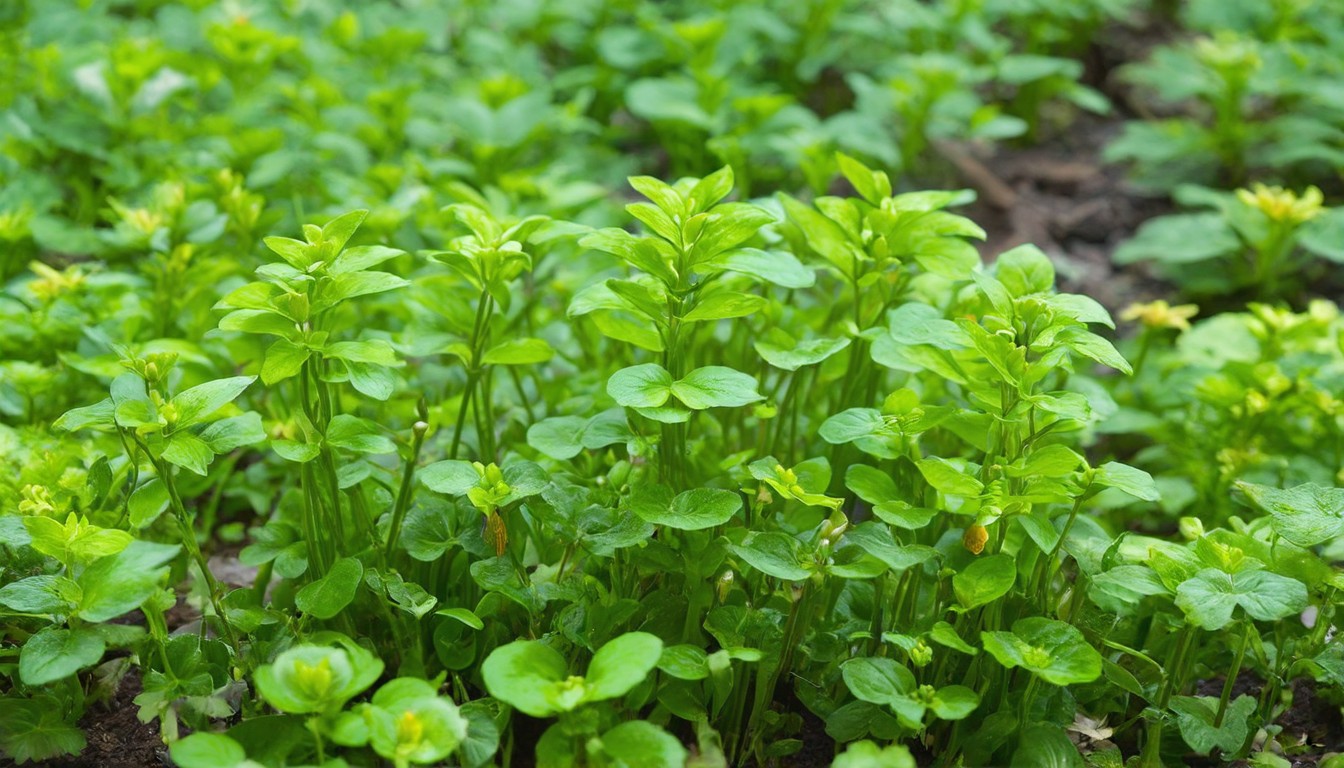
In the latest issue of Proceedings of the National Academy of Sciences, researchers have uncovered a fascinating mechanism through which plants can thrive in boron-deficient soils. The study, published in Volume 123, Issue 13, March 2026, focuses on wild mustard plants (Arabidopsis thaliana) and reveals that convergent evolution has led to enhanced boron transport through single nucleotide polymorphisms (SNPs) and tandem duplications at the BOR1 and BOR2 genes. This discovery could have significant implications for global crop production, as boron is a critical nutrient for plant growth, and many soils worldwide are deficient in it.
Boron plays a vital role in various plant physiological processes, including cell wall formation, nutrient uptake, and stress response. However, its availability in soils is often limited, posing a challenge for farmers and agricultural productivity. The research team investigated wild mustard plants, which naturally inhabit boron-poor environments, to understand how they adapt to these conditions. Through a detailed analysis of their genomes, they identified specific genetic changes that have evolved independently in different populations of Arabidopsis thaliana.
The key findings of the study revolve around two genes, BOR1 and BOR2, which are responsible for boron transport in plants. Researchers discovered that convergent evolution has led to the development of single nucleotide polymorphisms (SNPs) and tandem duplications at these genes in different populations of Arabidopsis thaliana. These genetic changes have resulted in enhanced boron transport capabilities, allowing the plants to efficiently acquire and utilize boron even in low-boron environments.
SNPs are small variations in the DNA sequence that occur when a single nucleotide is substituted for another. In this case, specific SNPs at the BOR1 and BOR2 loci have been found to improve boron transport efficiency. Tandem duplications, on the other hand, involve the duplication of a gene segment within the genome. This duplication can lead to increased gene dosage, which in turn can result in enhanced protein production and, consequently, improved boron transport.
The researchers conducted a series of experiments to validate their findings. They compared the boron transport capabilities of wild mustard plants with and without the identified genetic changes. The results showed that plants with the SNPs and tandem duplications at BOR1 and BOR2 were significantly more efficient at boron uptake and utilization, even in boron-deficient conditions. This enhanced efficiency was directly linked to the genetic modifications, confirming their role in adaptive evolution.
The study's implications extend beyond wild mustard plants. The genetic mechanisms identified in Arabidopsis thaliana could potentially be applied to crop plants to improve their boron uptake and overall productivity in boron-deficient soils. By understanding the genetic basis of boron transport adaptation, researchers can develop strategies to enhance crop resilience to boron deficiency, which is a major concern in agriculture worldwide.
In conclusion, the Proceedings of the National Academy of Sciences article highlights a remarkable example of convergent evolution in action. Through the identification of SNPs and tandem duplications at the BOR1 and BOR2 genes in Arabidopsis thaliana, researchers have uncovered a genetic basis for enhanced boron transport in plants. This discovery not only sheds light on the adaptive evolution of wild mustard plants but also offers valuable insights into improving crop productivity in boron-deficient environments. As global food production faces challenges due to soil nutrient limitations, understanding and harnessing these genetic adaptations could be key to ensuring sustainable agriculture in the future.








