Consequential Life Cycle Assessment of Cottonseed as a By- product of Cotton Fibre Production in India with Energy and Carbon Offset Evaluation
Introduction A vital component of Indian agriculture, cotton sustains millions of farmers, supports the country’s export and textile industries, and makes it the world’s largest producer of the commodity.1-3 Cottonseed is a significant by-product of cotton farming, with an annual production of more than 44 million tonnes, along with lint. Although cottonseed has uses inedible […]
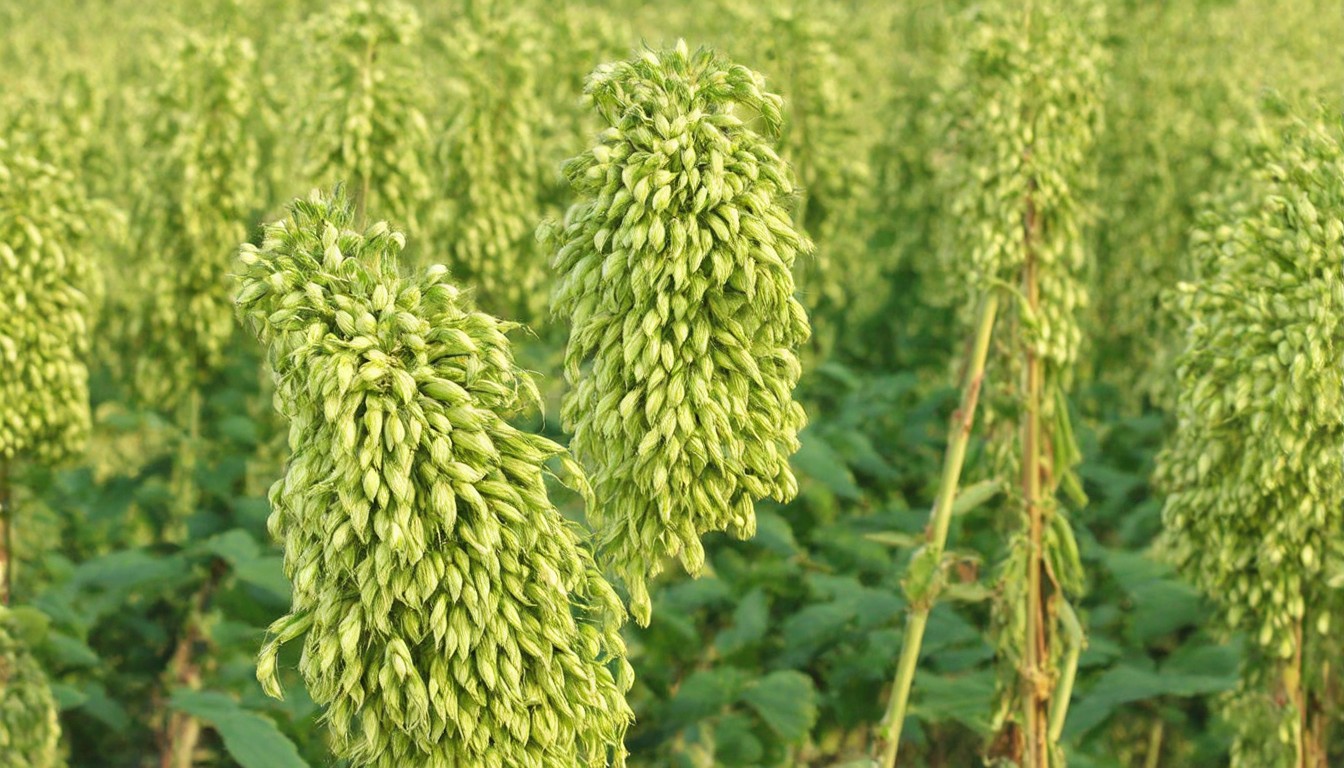
Cottonseed, a by-product of cotton fibre production in India, has long been overlooked despite its significant potential for economic and environmental benefits. As the world's largest cotton producer, India relies heavily on cotton to sustain millions of farmers and support its export and textile industries. Each year, more than 44 million tonnes of cottonseed is generated alongside the cotton lint, offering a wealth of opportunities that have yet to be fully realized.
Cottonseed is rich in oil and high-quality protein, making it suitable for various applications such as edible oil, animal feed, and industrial products. However, its use is limited primarily due to the presence of gossypol, a toxic compound found in raw cottonseed. Additionally, insufficient value-addition pathways have contributed to the underutilization of this valuable by-product. As a result, much of the cottonseed in India is confined to low-value ruminant feed or left unused, representing a significant missed opportunity for both economic growth and environmental sustainability.
Recent advancements in detoxification technologies, fermentation, and genetic engineering have opened up new avenues for utilizing cottonseed. Techniques such as tissue-specific gossypol reduction and innovative solvent-based extraction have made it possible to harness cottonseed for human nutrition, higher-value feed, and non-food applications. These developments highlight the potential of cottonseed to play a crucial role in meeting the growing global demand for sustainable and nutritious food sources.
From an environmental perspective, traditional life cycle assessment (LCA) methods often allocate environmental burdens among co-products based on mass, energy, or economic value. This approach can be arbitrary and misleading, particularly for by-products like cottonseed that have high latent utility but currently lack market value. Allocation-based methods may consistently undervalue underutilized co-products and fail to capture the larger system consequences of their production and disposal.
To address these limitations, a more robust and policy-relevant framework is needed. Consequential life cycle assessment (CLCA) with system expansion offers a solution by modeling how changes in cottonseed utilization affect overall production systems, substitute products, and downstream markets. This approach prevents arbitrary allocation of environmental burdens and captures the actual environmental consequences of cottonseed production and use.
By evaluating cottonseed through the lens of CLCA, it becomes evident that its utilization can lead to substantial energy and carbon savings. For instance, converting cottonseed into edible oil or high-value animal feed can significantly reduce the need for other raw materials, thereby lowering the overall carbon footprint associated with food production. Moreover, by repurposing cottonseed, India can reduce its dependence on imported feeds and oils, promoting food security and energy independence.
In conclusion, the life cycle assessment of cottonseed as a by-product of cotton fibre production in India reveals a compelling case for its sustainable utilization. By harnessing the potential of this underutilized resource, India can not only enhance its agricultural economy but also contribute to global efforts in reducing carbon emissions and promoting sustainable food systems. As research and technology continue to advance, it is imperative for policymakers and industry stakeholders to embrace CLCA as a tool for guiding decisions that balance economic growth with environmental stewardship. Through strategic investments in detoxification technologies and value-addition pathways, cottonseed can transform from a waste by-product into a valuable asset for India's agricultural and food sectors, while also offering significant environmental benefits.