
Consequential Life Cycle Assessment of Cottonseed as a By- product of Cotton Fibre Production in India with Energy and Carbon Offset Evaluation
Introduction A vital component of Indian agriculture, cotton sustains millions of farmers, supports the country’s export and textile industries, and makes it the world’s largest producer of the commodity.1-3 Cottonseed is a significant by-product of cotton farming, with an annual production of more than 44 million tonnes, along with lint. Although cottonseed has uses inedible […]
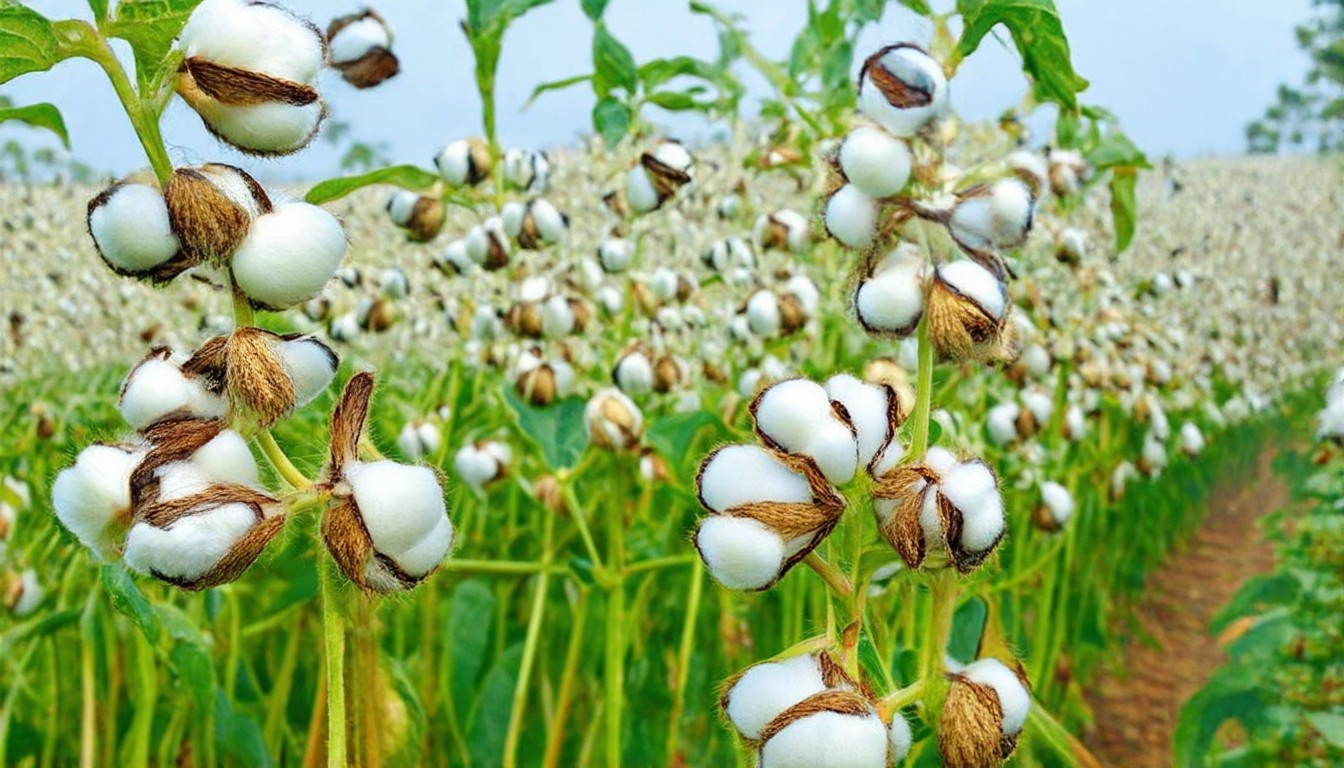
India's cotton industry, a cornerstone of its agricultural and export sectors, produces over 44 million tonnes of cottonseed annually as a by-product of cotton fibre cultivation. This abundant resource, rich in oil and high-quality protein, has diverse potential applications in human nutrition, feed, and non-food industries. However, its widespread use is limited due to the presence of toxic gossypol and insufficient value-addition pathways. As a result, much of the cottonseed is underutilized or confined to low-value ruminant feed, missing out on significant economic and environmental opportunities.
Recent advancements in detoxification technologies, fermentation, and genetic engineering, such as tissue-specific gossypol reduction and innovative solvent-based extraction, have opened avenues for utilizing cottonseed in higher-value food, feed, and non-food products. These developments highlight the need for a comprehensive evaluation of the environmental and economic impacts of cottonseed utilization.
Traditional life cycle assessment (LCA) methods, such as attributional LCA (ALCA), allocate environmental burdens among co-products based on mass, energy, or economic value. However, this approach can be arbitrary and misleading for by-products like cottonseed, which have high latent utility but low market value. ALCA may consistently undervalue underutilized co-products and overlook larger system consequences.
To address these limitations, a more robust framework is required. Consequential life cycle assessment (CLCA) with system expansion offers a comprehensive evaluation by modeling how changes in cottonseed utilization affect overall production systems, substitute products, and downstream markets. This approach prevents arbitrary allocation of environmental burdens and captures the actual environmental consequences of cottonseed production and use.
By applying CLCA, policymakers and industry stakeholders can better understand the potential environmental and economic benefits of optimizing cottonseed utilization. This includes exploring new value-addition pathways, promoting detoxification technologies, and encouraging research into innovative extraction methods.
Moreover, CLCA can help identify opportunities for energy and carbon offset evaluations. For instance, optimizing cottonseed utilization could reduce the need for other feedstocks, lowering greenhouse gas emissions and enhancing energy efficiency. Additionally, by-products like cottonseed can be repurposed into biofuels or other energy sources, further reducing the carbon footprint of the cotton industry.
In conclusion, a consequential life cycle assessment of cottonseed in India provides valuable insights into the environmental and economic impacts of its utilization. By adopting CLCA with system expansion, the country can harness the full potential of this underutilized by-product, drive innovation in detoxification technologies, and contribute to sustainable development goals. This approach not only supports the growth of India's cotton industry but also promotes environmental stewardship and economic resilience.








