Congress's Manickam Tagore Quits Key Tamil Nadu Poll Role Over Seat Allocation Row
Manickam Tagore has resigned as chairman of the Congress’ Tamil Nadu election management committee amid a seat allocation row.
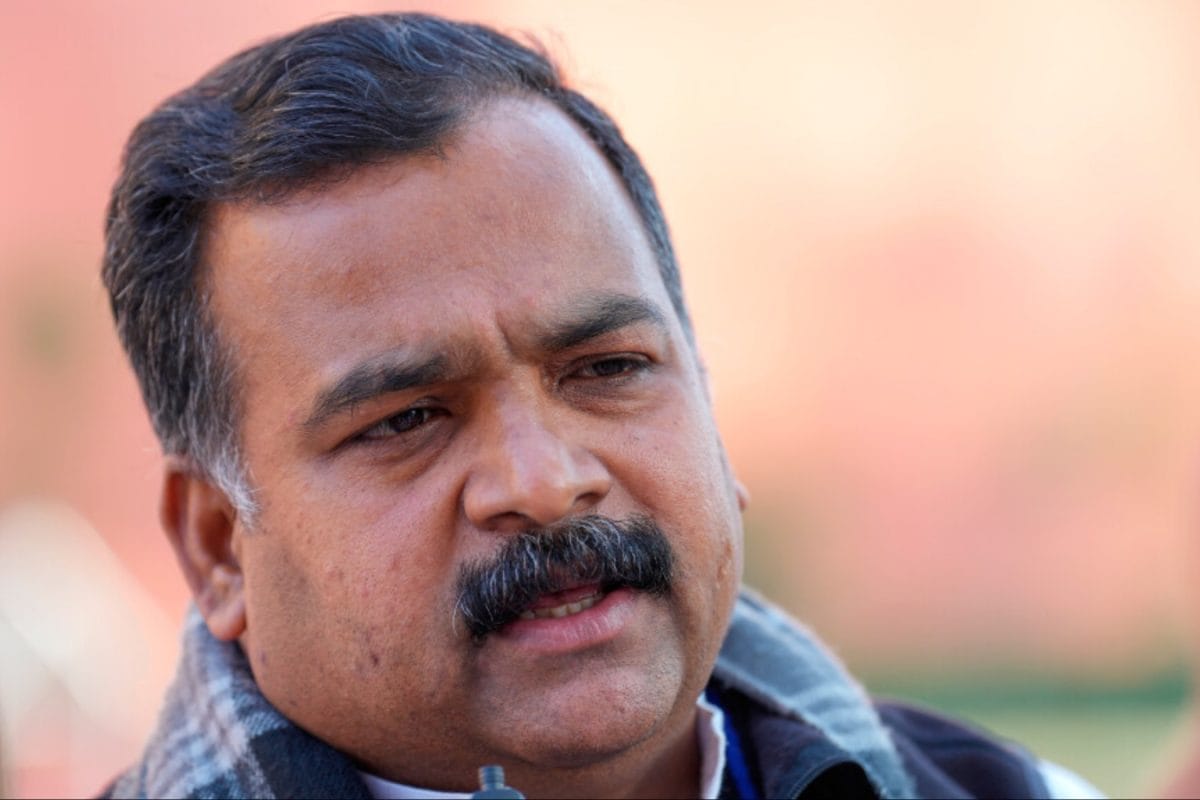
Manickam Tagore, a prominent leader within the Indian National Congress, has unexpectedly resigned from his role as chairman of the Congress’ Tamil Nadu election management committee. The resignation comes amidst a significant dispute over seat allocation for the upcoming state elections in Tamil Nadu. This development has sent shockwaves through the state’s political landscape, as it highlights internal conflicts within the Congress party and raises questions about the party’s strategy for the elections.
Manickam Tagore, a seasoned politician with a long-standing association with the Congress party, was appointed as the chairman of the Tamil Nadu election management committee in an effort to strengthen the party’s electoral prospects. However, his tenure was short-lived, as he announced his resignation in a statement that was both terse and revealing. The immediate cause of the resignation is a row over seat allocation, a critical aspect of any political party’s strategy for state elections.
Seat allocation refers to the process by which political parties decide which candidates will contest elections in specific constituencies. This decision is often based on factors such as the candidate’s popularity, the constituency’s demographics, and the party’s overall strategy. In the case of the Congress party in Tamil Nadu, the seat allocation process has become contentious, with different factions vying for control over key constituencies.
Manickam Tagore’s resignation is a direct result of his disagreement with the party’s decision-making process regarding seat allocation. He has publicly expressed his dissatisfaction with what he perceives as a lack of transparency and fairness in the allocation process. His resignation letter, which was addressed to the Congress party’s national president, highlights the internal tensions that have been simmering within the party for some time.
The resignation has been met with mixed reactions from within the Congress party. Some party members have expressed sympathy for Tagore’s plight, arguing that the seat allocation process has indeed been flawed and has led to discontent among party leaders. Others, however, have criticized Tagore for his decision to resign, arguing that it could weaken the party’s position ahead of the elections.
The resignation of Manickam Tagore also raises questions about the future of the Congress party in Tamil Nadu. The state is considered a crucial battleground in the upcoming elections, and the party’s performance in Tamil Nadu will have a significant impact on its overall electoral prospects. The seat allocation row has cast a shadow over the party’s preparations, and it remains to be seen how the party will navigate this crisis.
In the aftermath of Tagore’s resignation, the Congress party has faced calls to address the issues that led to his departure. Party leaders have been urged to implement a more transparent and equitable seat allocation process to prevent further discontent among their ranks. There is also a call for greater unity within the party, as internal strife could prove detrimental to the party’s electoral prospects.
The resignation of Manickam Tagore is not the first instance of such a dispute within the Congress party. In recent years, the party has faced several internal conflicts, often related to power struggles and disagreements over strategy. These disputes have sometimes led to the resignation of key party leaders, as seen in the case of Tagore.
The seat allocation row in Tamil Nadu is also reflective of a larger issue within the Indian political landscape. Political parties in India often struggle with internal power struggles, and these disputes can have a significant impact on the party’s performance in elections. The resignation of Manickam Tagore serves as a stark reminder of the challenges that political parties face in maintaining unity and transparency in their decision-making processes.
As the Congress party grapples with the fallout from Tagore’s resignation, it will be crucial for the party to address the underlying issues that led to this crisis. The party must ensure that its seat allocation process is fair and transparent, and that all party members feel heard and valued. Only then can the Congress party hope to regain the trust of its leaders and secure a strong position in the upcoming elections.
In conclusion, the resignation of Manickam Tagore from his role as chairman of the Congress’ Tamil Nadu election management committee is a significant development that highlights internal conflicts within the party. The seat allocation row has exposed the need for greater transparency and fairness in the party’s decision-making processes. As the Congress party moves forward, it must address these challenges to ensure its continued success in the political arena. The future of the party in Tamil Nadu and beyond will depend on its ability to navigate these internal disputes and present a unified front to the electorate.