Congress Split On Iran War Response; Anand Sharma Calls Politicisation ‘National Disservice’
Anand Sharma urges parties to back India's West Asia diplomacy and avoid partisanship, contrasting with Congress leaders Pawan Khera and Jairam Ramesh's stand.
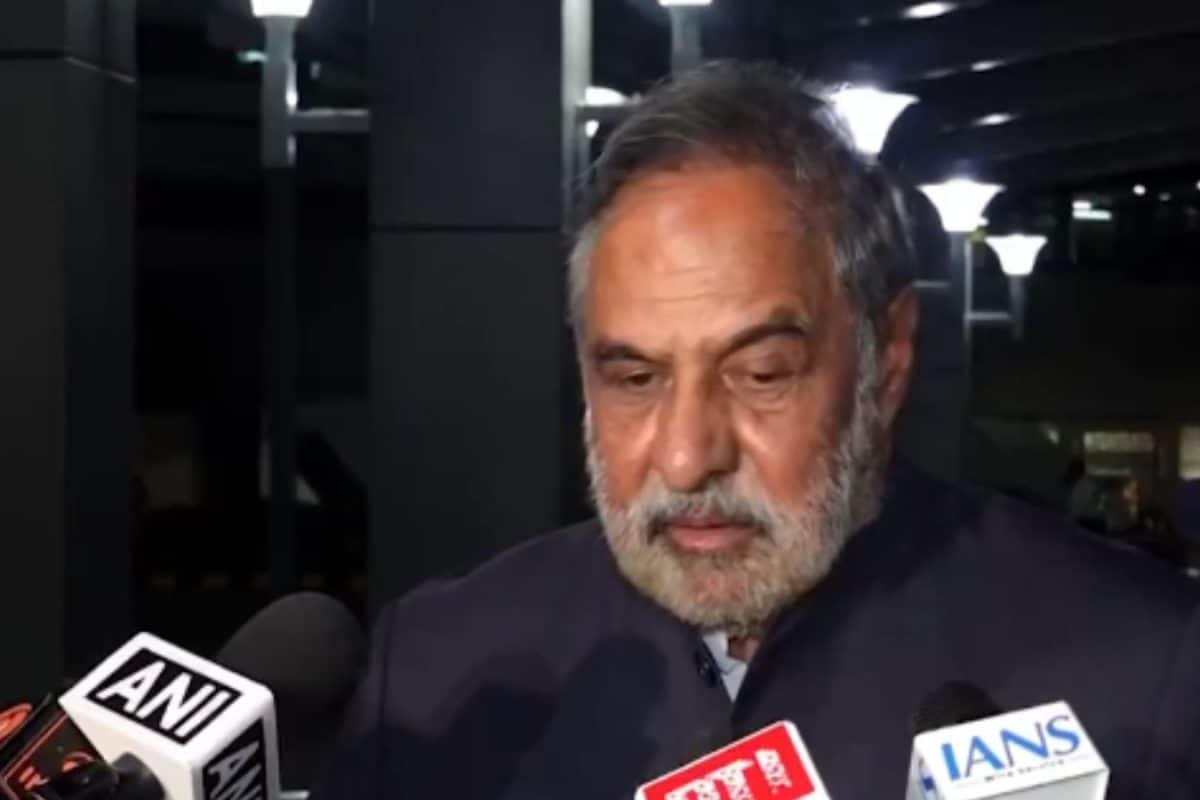
As tensions escalate in the Middle East following recent developments, India's political landscape is witnessing a significant rift over the appropriate response to the situation. Congress party members are divided on how to address the ongoing conflicts, with some advocating for a cautious approach while others call for a more assertive stance. Amid this discord, Anand Sharma, a senior Congress leader, has emerged as a voice urging his colleagues to prioritize national interests and avoid partisanship in their decision-making.
In a recent address, Sharma emphasized the importance of maintaining India's diplomatic relations in West Asia, particularly with countries like Iran. He argued that the current geopolitical climate demands a unified front, free from political rivalry, to ensure stability and security in the region. Sharma's call for unity stands in stark contrast to the positions held by other Congress leaders, such as Pawan Khera and Jairam Ramesh, who have taken more critical stances towards Iran's actions.
Sharma's perspective is rooted in India's historical and economic ties with Iran. Over the years, Iran has been a significant partner for India, particularly in the realm of energy. India imports a substantial portion of its oil from Iran, making the two countries interdependent in this critical sector. Additionally, Iran has been a key player in regional diplomacy, and its influence extends beyond just energy trade. By maintaining strong relations with Iran, India can continue to play a pivotal role in fostering peace and stability in West Asia.
However, not all Congress leaders share Sharma's viewpoint. Pawan Khera, another prominent member of the party, has been vocal in his criticism of Iran's actions, particularly its involvement in regional conflicts and support for certain non-state actors. Khera's stance is driven by concerns over Iran's destabilizing influence in the Middle East and its potential impact on India's security interests. Similarly, Jairam Ramesh has expressed reservations about Iran's nuclear program and its implications for regional security.
The divide within Congress over the Iran issue highlights the broader challenges faced by the party in navigating complex geopolitical scenarios. As the world becomes increasingly interconnected, India's foreign policy must balance its strategic interests with the need to engage with diverse partners. This requires a nuanced approach that takes into account the multifaceted nature of global politics.
Sharma's call for avoiding partisanship in foreign policy is not without its critics. Some argue that political divisions are inherent in any democratic system and should not be conflated with national interests. They contend that the ability to debate and differ on critical issues is a strength, not a weakness, of a democratic process. However, Sharma's perspective underscores the importance of prioritizing national security and diplomatic stability over partisan rivalry.
The ongoing debate within Congress also reflects the broader global context. The Middle East has been a focal point of international tensions for decades, with great powers vying for influence and regional stability. India's role in this dynamic is crucial, as it is a key player in the region and a rising global power. The ability to navigate these complexities while maintaining strong diplomatic ties is essential for India's long-term interests.
In conclusion, the split within Congress over the Iran war response highlights the challenges faced by India's political leadership in crafting a coherent foreign policy strategy. While some leaders advocate for a cautious approach, others call for a more assertive stance. Anand Sharma's call for unity and avoidance of partisanship serves as a reminder of the need for a unified and strategic approach to regional and global issues. As the world continues to evolve, India's ability to navigate these complexities will be pivotal in ensuring its security and prosperity.