Cong may back amendments to women’s reservation bill
Congress may support women's reservation bill amendments but opposes rushed delimitation amid ongoing elections, citing potential unfair advantages.
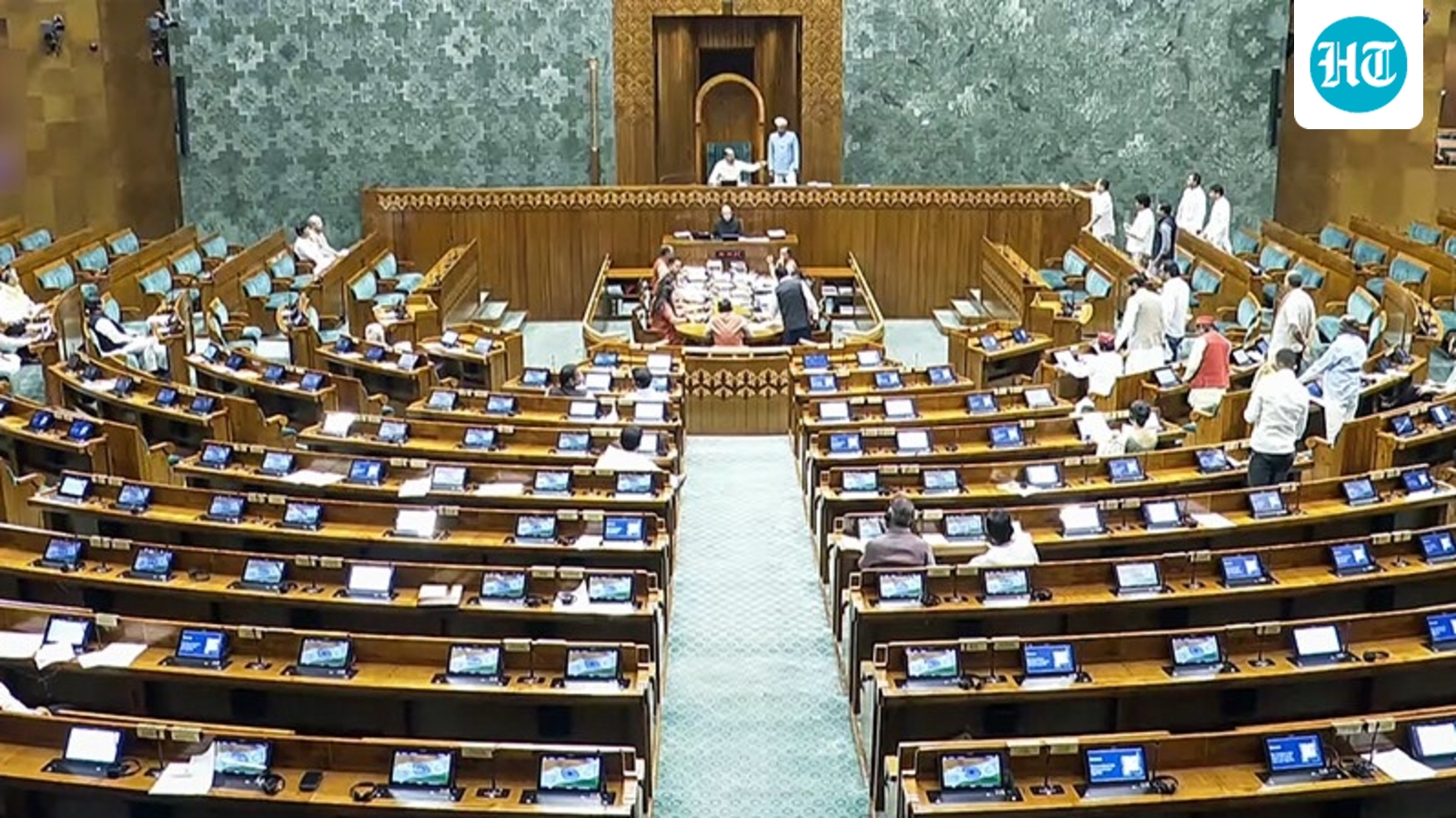
The Indian Parliament is set to debate amendments to the Women's Reservation Bill, with the Congress party reportedly backing the proposed changes. However, the party has expressed reservations about the rushed delimitation process that is currently underway, citing concerns over potential unfair advantages for certain political groups.
The Women's Reservation Bill, which aims to increase the representation of women in political offices, has been a contentious issue in India for several years. The bill seeks to reserve 33% of seats in the Lok Sabha and state legislative assemblies for women candidates. While the idea has been widely supported by women's groups and social activists, it has also faced opposition from political parties and individuals who argue that it could disrupt the natural electoral process.
The Congress party, which has traditionally been a strong advocate for gender equality, has now indicated its support for amendments to the bill. These amendments are expected to address some of the concerns raised by critics, such as the potential for quotas to stifle genuine political participation. The party has also emphasized the importance of ensuring that the reservation policy is implemented in a fair and transparent manner.
Despite its backing for the amendments, Congress has voiced concerns over the ongoing delimitation process. Delimitation refers to the process of redrawing electoral boundaries to ensure that each constituency has an equal number of voters. The current delimitation process, which is being carried out concurrently with the elections, has been criticized for being rushed and potentially leading to unfair advantages for certain political groups.
Critics argue that the rushed delimitation could result in constituencies being manipulated in favor of certain parties, thereby undermining the integrity of the electoral process. They also point out that the delimitation process should ideally be completed before the Women's Reservation Bill is enacted, to avoid any conflicts or inconsistencies.
The Congress party's stance on the issue highlights the complexities involved in implementing reservation policies in India. While the party recognizes the importance of increasing women's representation in politics, it is also keen on ensuring that the process is fair and equitable. This approach reflects a broader trend within Indian politics, where parties are increasingly recognizing the need to balance their commitment to social justice with the demands of electoral politics.
The debate over the Women's Reservation Bill and the delimitation process is likely to continue in the Indian Parliament. As the elections approach, the issue will gain renewed attention, with various political groups vying for support and trying to shape the debate to their advantage. The ultimate outcome of the bill and the delimitation process will have a significant impact on the political landscape of India, shaping the future of women's representation and electoral dynamics in the country.
In conclusion, the Indian Parliament is poised to debate amendments to the Women's Reservation Bill, with the Congress party backing the changes. However, the party has raised concerns over the rushed delimitation process, which could lead to unfair advantages for certain political groups. This debate underscores the challenges and complexities involved in implementing reservation policies in India, as well as the need for a fair and transparent electoral process. The outcome of these debates will have a lasting impact on the political landscape of the country, particularly in terms of women's representation and electoral dynamics.