Commentary: The Cuban Americans who want to normalize relations between the U.S. and Cuba
Now is the time to 'end the economic war on Cuba,' say Cuban Americans for Cuba, an emerging collective that joined the recent convoy to Havana.
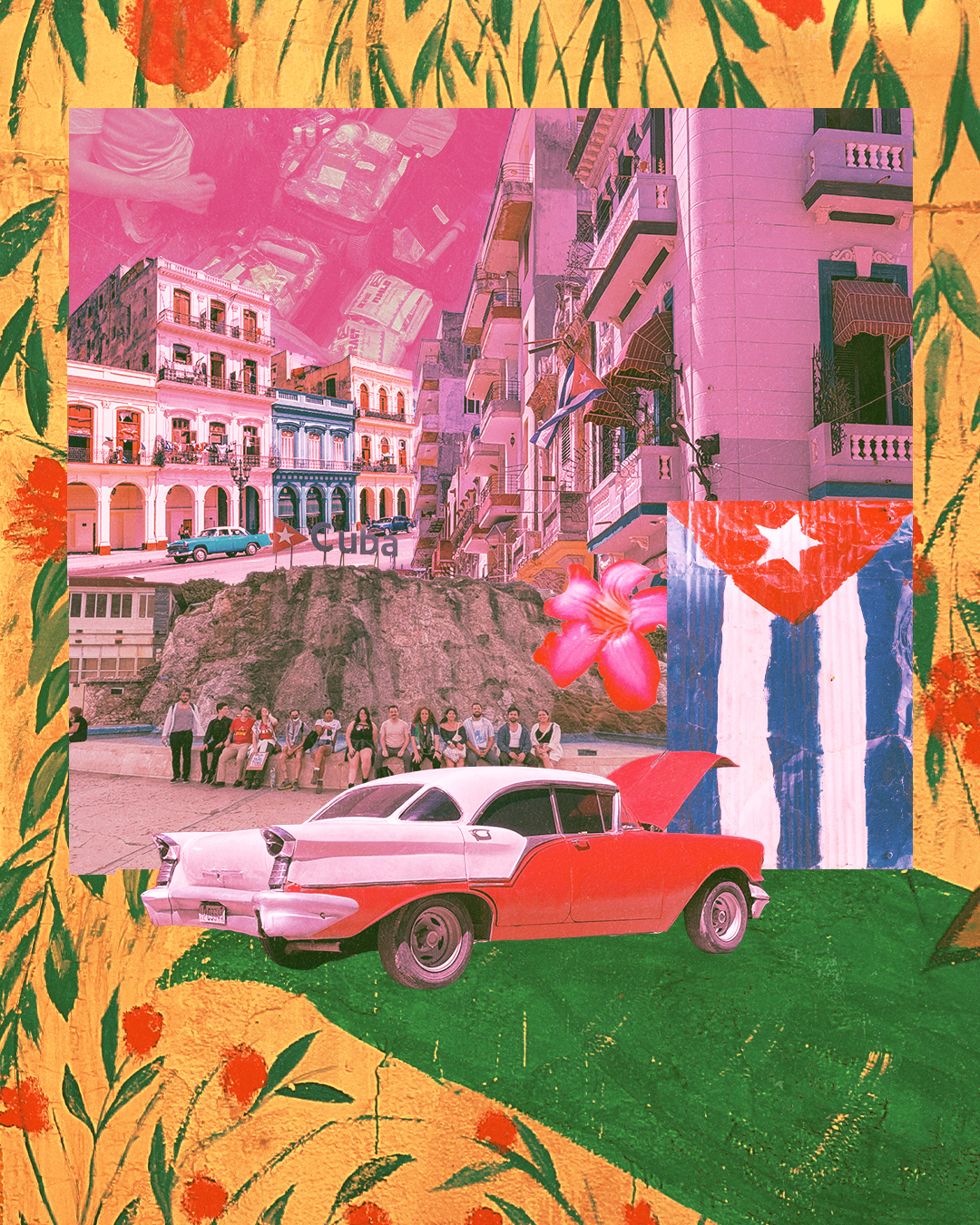
In recent years, a growing number of Cuban Americans have begun advocating for the normalization of relations between the United States and Cuba. This movement, spearheaded by groups like Cuban Americans for Cuba, is calling for an end to the longstanding economic embargo and a shift towards diplomatic engagement. These individuals argue that the current policy of isolation is not only harmful to Cuba but also detrimental to U.S. interests and the Cuban American community itself.
The roots of this movement can be traced back to the early 20th century, when tensions between the two nations began to escalate. The U.S. has maintained a complex relationship with Cuba, marked by political, economic, and social factors. The embargo, imposed in 1960, has been a contentious issue, with many Cuban Americans viewing it as a necessary measure to counteract Cuba's communist regime. However, others argue that the embargo has had the opposite effect, exacerbating poverty and limiting opportunities for both nations.
Cuban Americans for Cuba, a collective that joined the recent convoy to Havana, represents a new wave of activists seeking to change this dynamic. They argue that the economic war on Cuba has only served to entrench hardliners on both sides and has failed to achieve its stated goals. By normalizing relations, they believe, the U.S. could foster greater economic development in Cuba, improve human rights, and create new avenues for cultural and familial connections.
One of the key arguments made by these activists is that the embargo has disproportionately affected Cuban Americans. Many have family members living in Cuba, and the restrictions on travel and remittances have made it difficult for them to maintain relationships. Normalizing relations, they argue, would allow for greater freedom of movement and communication, benefiting both the Cuban American community and the people of Cuba.
Moreover, Cuban Americans for Cuba contends that the economic embargo is ineffective in curbing Cuba's influence in the region. By isolating Cuba, the U.S. has inadvertently pushed the island closer to other adversaries, such as Russia and China. By engaging Cuba diplomatically, the U.S. could potentially counteract this trend and promote stability in the Western Hemisphere.
This movement is not without its critics. Some Cuban Americans view any attempt to normalize relations as a betrayal of the values they hold dear, particularly the struggle against communism. They argue that lifting the embargo would only strengthen the Cuban government's grip on power and enable it to suppress dissent more effectively.
Despite these objections, the call for normalization has gained traction in recent years. The election of a new administration in the U.S. has provided a platform for dialogue, and groups like Cuban Americans for Cuba are seizing this opportunity to advocate for change. They are organizing events, writing op-eds, and engaging in public discourse to build support for their cause.
The recent convoy to Havana, which included members of Cuban Americans for Cuba, was a significant demonstration of this movement's growing influence. The convoy, which brought together activists, artists, and community leaders, aimed to foster direct connections between the two nations. Participants argued that such engagement was crucial for understanding and bridging the divide that years of isolation have created.
In addition to advocating for the end of the embargo, Cuban Americans for Cuba is also pushing for reforms within the U.S. government. They are calling for a reevaluation of policies that target Cuba and a shift towards a more nuanced approach that acknowledges the complex realities on the island. This includes addressing issues such as human rights, political freedoms, and economic development.
Furthermore, the collective is emphasizing the importance of listening to the voices of Cuban Americans themselves. They argue that the Cuban American community has unique insights into the realities of life in Cuba and can offer valuable perspectives in shaping U.S. policy. By involving Cuban Americans in the dialogue, the U.S. could craft a more effective and empathetic approach to Cuba.
The movement towards normalization is not without its challenges. The deeply entrenched political and ideological divides in both nations pose significant obstacles. However, the growing support for this cause among Cuban Americans offers a glimmer of hope for change. As the conversation around U.S.-Cuba relations continues to evolve, it remains to be seen whether this new wave of activists will be able to sway public opinion and bring about the much-needed normalization of relations.
In conclusion, the call for normalization of U.S.-Cuba relations, spearheaded by groups like Cuban Americans for Cuba, represents a significant shift in the way Cuban Americans are approaching their relationship with the island. These activists argue that ending the economic war on Cuba would benefit both nations and create a more stable and prosperous future for all involved. While the path to achieving this goal is fraught with challenges, the growing momentum behind this movement offers a promising outlook for change. As the conversation around U.S.-Cuba relations continues to develop, it will be interesting to see how this new wave of activism shapes the future of this complex and enduring relationship.