CWIT Sets New Throughput Record, Boosts Colombo Port
The Colombo West International Terminal (CWIT) has set a new operational benchmark, processing 152,522 TEUs in May 2026, marking its highest monthly container throughput and reinforcing its pivotal role in the Port of Colombo's cargo movement capabilities.
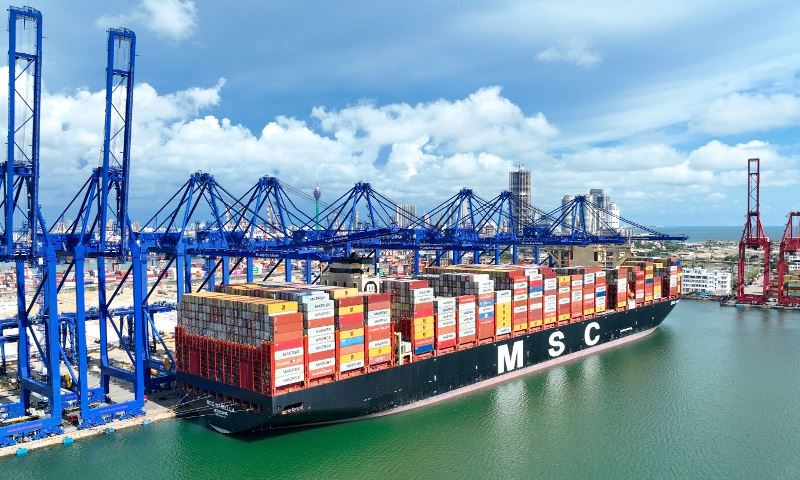
The Colombo West International Terminal (CWIT) has reportedly set a new benchmark in its operational history, achieving its highest ever monthly container throughput in May 2026. This significant milestone saw the terminal process an impressive 152,522 Twenty-foot Equivalent Units (TEUs), a figure that underscores its escalating importance within the maritime logistics landscape of the region and specifically for the Port of Colombo.
CWIT, a key component of the Port of Colombo's expanding infrastructure, has been steadily enhancing its capabilities since commencing operations. This latest achievement in May 2026 not only signifies a peak in its operational efficiency but also reflects the growing demand for robust and high-capacity port services in a dynamic global trade environment. The terminal's performance is a crucial indicator of its capacity to handle increasing volumes of international cargo.
The reported throughput of 152,522 TEUs is a testament to the terminal's advanced operational systems and its dedicated workforce. TEUs are a standard measure of cargo capacity in container shipping, and reaching such a high figure for a single month highlights CWIT's ability to manage substantial freight volumes. This record throughput is often seen as a direct reflection of a terminal's efficiency, its strategic positioning, and its integration into major shipping routes, thereby contributing significantly to the overall throughput of the Port of Colombo.
Beyond the sheer volume of containers, the operational efficiency of CWIT in May 2026 was further demonstrated by its capacity to service a considerable number of vessels. During the record-breaking month, the terminal reportedly handled 50 vessels. The ability to efficiently turnaround a high number of ships is critical for maintaining tight shipping schedules, reducing dwell times, and ensuring the smooth flow of goods through the port. This aspect of performance is vital for shipping lines that seek reliability and speed in their logistics chains.
Complementing the vessel servicing figures, CWIT also recorded 75,337 gate moves in May 2026. Gate moves refer to the movement of containers in and out of the terminal's gates, signifying the landside efficiency of cargo handling. A high number of gate moves, executed efficiently, indicates seamless coordination between terminal operations, trucking services, and customs procedures. This efficiency is paramount for importers and exporters, as it directly impacts the speed and cost of getting goods to and from their final destinations.
The Port of Colombo, where CWIT is strategically located, holds a pivotal position in the Indian Ocean's maritime trade routes. It serves as a crucial transshipment hub connecting East-West shipping lanes, making its operational performance a significant factor for regional and international commerce. The consistent growth and record-breaking achievements of terminals like CWIT contribute directly to strengthening the Port of Colombo's competitive edge against other major ports in the region.
Such operational milestones are generally indicative of several positive trends. They often point to increased trade volumes, successful implementation of modern port management practices, and effective utilization of infrastructure. For CWIT, this record throughput reportedly underscores its growing role in facilitating cargo movement, suggesting its increasing contribution to the economic vitality of Sri Lanka and its position as a key player in global supply chains.
Maintaining and surpassing such records requires continuous investment in technology, infrastructure, and human capital. The reported performance in May 2026 could signal a positive outlook for future growth and expansion plans for the terminal, further solidifying its capacity to handle the evolving demands of international shipping. This consistent operational excellence helps to attract more shipping lines and cargo, reinforcing the port's status as a preferred hub.
In essence, the achievement by Colombo West International Terminal in May 2026 is more than just a numerical record; it is a clear indicator of enhanced operational capabilities and a growing influence in the regional maritime sector. The seamless handling of a vast number of containers, vessels, and gate moves within a single month highlights the terminal's commitment to efficiency and its strategic importance to the Port of Colombo.
This latest operational milestone reportedly reinforces CWIT's trajectory as a modern, high-capacity terminal, playing an increasingly crucial role in facilitating global trade and logistics. As the Port of Colombo continues to evolve, the performance of its key terminals like CWIT will remain central to its success and its ability to serve as a vital artery for international commerce.