
Collapse of Tokyo's aging cherry blossom trees raises safety concerns
In Tokyo, the birthplace of Japan’s popular Somei Yoshino cherry blossom variety, many of the trees planted during the country’s postwar advancement of the 1960s are now getting old and frail
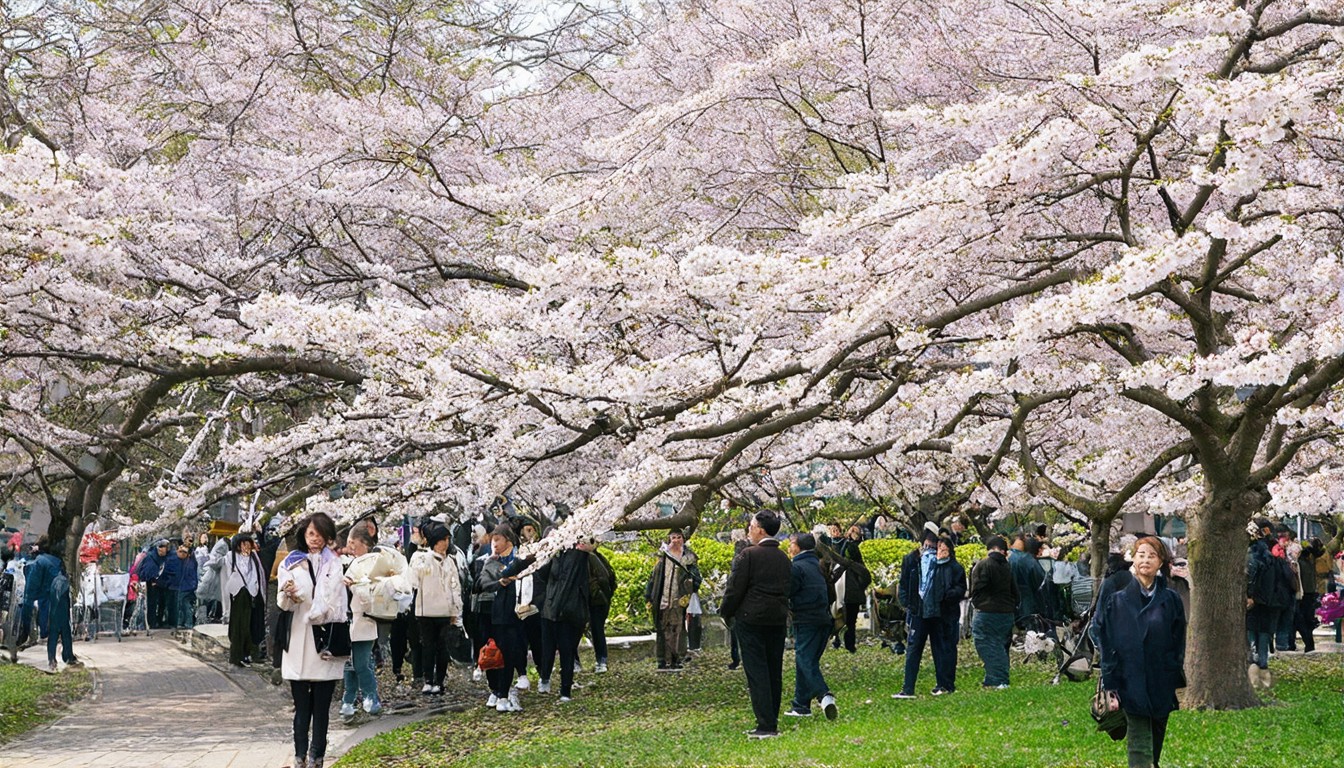
In Tokyo, the birthplace of Japan's popular Somei Yoshino cherry blossom variety, many of the trees planted during the country's postwar advancement of the 1960s are now getting old and frail. This aging of the iconic trees has raised significant safety concerns as they struggle to withstand the elements and daily wear and tear.
The Somei Yoshino, known for its delicate pink blossoms and sweet fragrance, has long been a symbol of Japan's cultural heritage and a beloved attraction for both locals and tourists alike. During the rapid economic growth of the 1960s, the Japanese government and urban planners planted thousands of these trees across Tokyo to beautify the city and celebrate its postwar progress. However, as these trees have aged, their structural integrity has begun to deteriorate, posing risks to public safety.
City officials have reported an increasing number of incidents where branches have snapped off, causing injuries and property damage. In recent years, several trees have even collapsed entirely, leaving behind a tangled mess of roots and debris. These accidents have prompted authorities to take action, urging residents to exercise caution in areas with high concentrations of aging cherry blossom trees.
The aging of these trees is not solely due to natural aging processes. Environmental factors, such as pollution and climate change, have also contributed to their decline. The Somei Yoshino, which thrives in cool, temperate climates, is particularly vulnerable to the growing urban heat island effect, which can stress the trees and weaken their roots.
In response to these safety concerns, Tokyo's government has initiated a plan to replace aging cherry blossom trees with new saplings. However, this process is meticulous and time-consuming. The Somei Yoshino trees take several years to mature, and the city must carefully select healthy specimens to ensure the continuity of the cherished variety.
In addition to replacing trees, the city is also exploring ways to enhance the resilience of existing trees. This includes implementing regular maintenance, such as pruning and root treatment, to improve their overall health and structural stability. Furthermore, urban planners are considering the planting of support structures, such as steel cables and braces, to prevent branches from snapping off during high winds.
The aging of Tokyo's cherry blossom trees is a poignant reminder of the city's postwar legacy and the challenges of maintaining urban greenery in a rapidly changing environment. As the city works to safeguard these iconic trees, it also faces the responsibility of balancing tradition with modern urban needs. The future of Tokyo's cherry blossoms will not only be a testament to the city's commitment to preserving its cultural heritage but also to its ability to adapt and thrive in the face of environmental and demographic changes.
Despite the challenges, the city remains optimistic about the future of its cherished cherry blossoms. Through careful planning and dedicated efforts, Tokyo aims to ensure that future generations can continue to enjoy the beauty and fragrance of the Somei Yoshino, a symbol of resilience and renewal in an ever-evolving city.








