
CNBC Daily Open: Trump posts expletive-filled Iran threats on Easter Sunday
Oil prices rise again as President Donald Trump steps up his threats against Iran if Tehran does not come to a deal on the Strait of Hormuz.
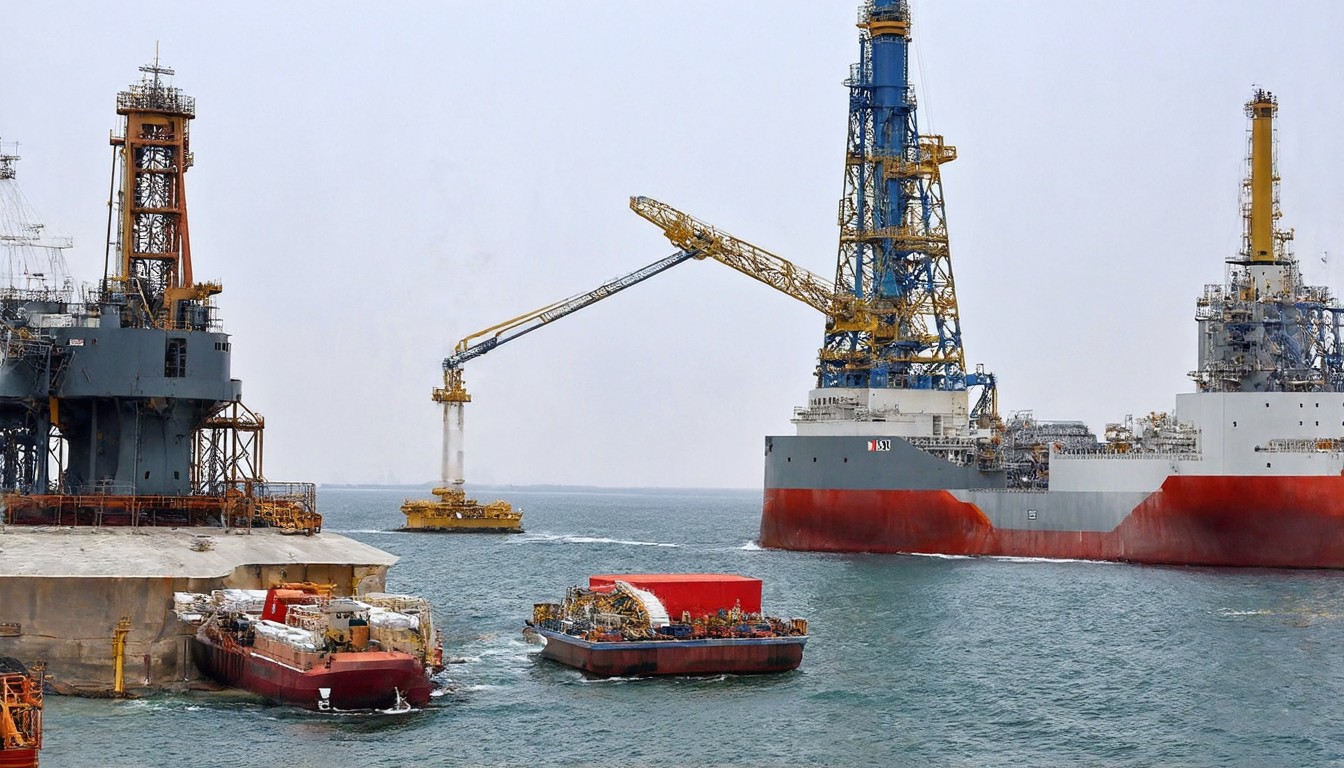
On Easter Sunday, President Donald Trump's expletive-filled threats against Iran sent shockwaves through global markets, particularly in the oil sector. As tensions between the United States and Iran escalate, oil prices have risen once again, reflecting the heightened geopolitical risks in the region.
Trump's recent tweets, filled with profanity and aggressive language, intensified the already volatile situation surrounding the Strait of Hormuz. This narrow waterway, located between the Persian Gulf and the Gulf of Oman, is a critical chokepoint for global oil and gas shipments, with approximately 30% of the world's daily oil supply passing through it. The strait is heavily monitored by both Iranian and U.S. forces, with each side accusing the other of aggressive actions in the region.
The escalation in rhetoric comes as negotiations between the U.S. and Iran have stalled, with both sides refusing to back down. The Trump administration has imposed strict sanctions on Iran, targeting its oil and gas industries, which have been a major source of revenue for the country. In response, Iran has threatened to block the Strait of Hormuz, crippling global oil supplies and potentially causing a significant spike in prices.
The recent threats from Trump have prompted oil prices to rise sharply. Analysts warn that any disruption to the Strait of Hormuz could lead to a global oil crisis, with far-reaching economic consequences. The Organization of the Petroleum Exporting Countries (OPEC) has also expressed concern over the situation, urging both sides to exercise restraint and avoid further escalation.
In addition to the economic impact, the Trump administration's aggressive stance towards Iran has raised concerns about the potential for a full-blown conflict in the region. The U.S. has already deployed additional military forces in the area, including aircraft carriers and warships, in a bid to deter Iranian aggression. However, this move has been met with criticism from both allies and adversaries alike, with many calling for diplomatic solutions over military confrontation.
The situation in the Strait of Hormuz is further complicated by the ongoing civil war in Yemen, which has disrupted shipping routes and increased the vulnerability of the region's maritime infrastructure. The involvement of Iranian-backed Houthi rebels in the conflict has also heightened tensions, with the U.S. accusing Tehran of supporting terrorist activities in the region.
As the situation continues to evolve, oil markets remain on edge, with traders and investors closely monitoring developments between Washington and Tehran. The expletive-filled threats from Trump have underscored the fragility of the current status quo and the potential for a major geopolitical crisis to unfold.
In conclusion, the escalating tensions between the U.S. and Iran, highlighted by President Trump's recent aggressive rhetoric, have sent oil prices soaring. The Strait of Hormuz, a critical global shipping lane, is at the center of the conflict, with both sides threatening to disrupt the flow of oil. The situation has prompted global concerns about the potential for a full-blown conflict and the far-reaching economic consequences it could have. As negotiations stall and military posturing continues, the world watches closely, hoping for a diplomatic resolution to prevent a crisis that could reverberate through global markets and geopolitical landscapes.









