Clear market uncertainty despite latest Trump attempt to soothe concerns
The latest attempt by Donald Trump to ease uncertainty over the US and Israel's war on Iran has only heightened investor concerns.
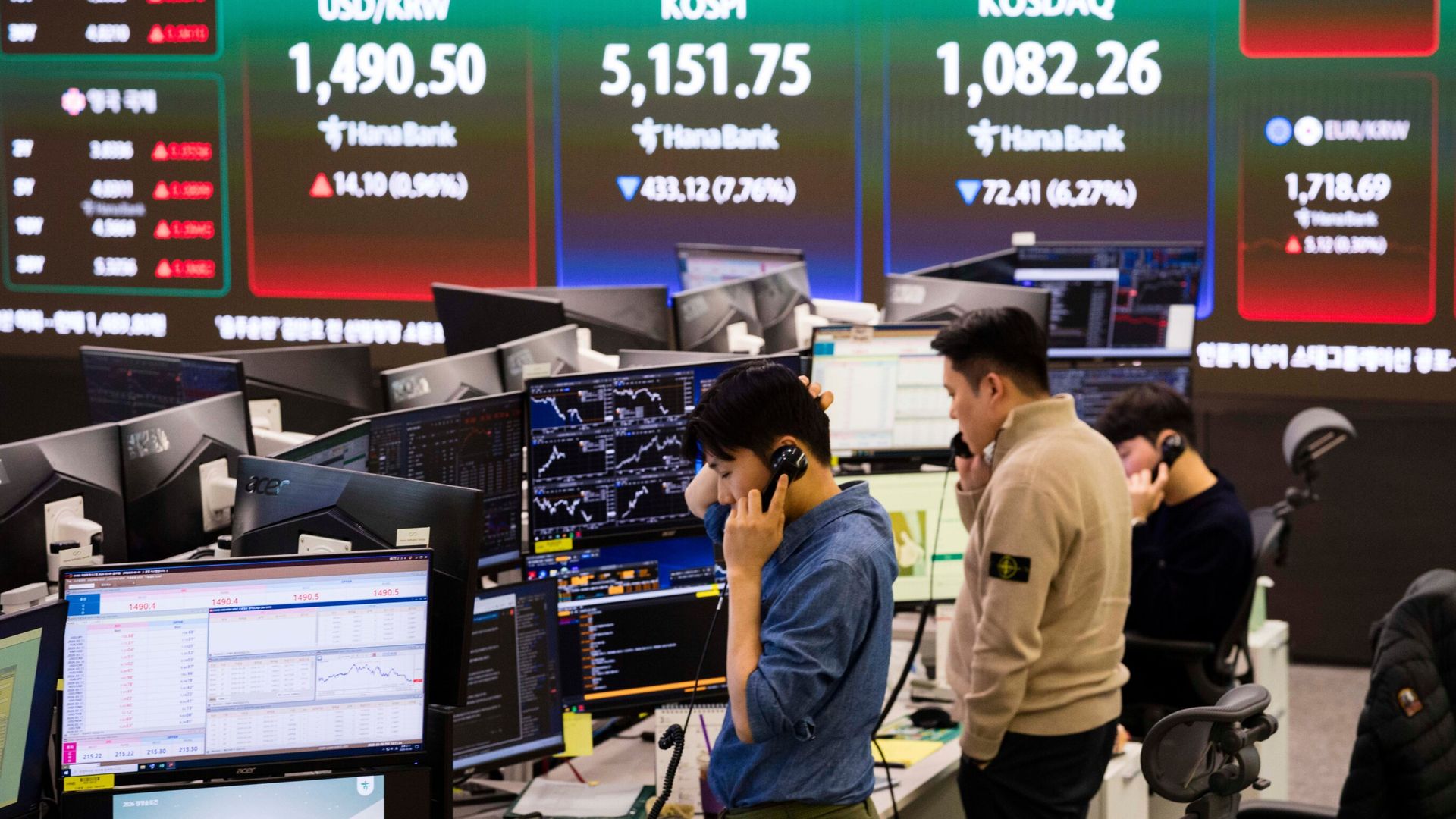
The latest attempt by Donald Trump to ease uncertainty over the US and Israel's war on Iran has only heightened investor concerns. Despite Trump's efforts to reassure markets that tensions with Iran would not escalate into a full-blown conflict, investors remain wary of the potential impact on global oil prices and geopolitical stability.
In a recent tweet, Trump downplayed the risk of a broader war, stating that "there will be no war with Iran." He also claimed that the US and Israel were not preparing for military action, a message aimed at calming nerves among investors. However, the reassurance came too late to prevent a surge in oil prices, which had already risen sharply in response to reports of increased US military activity in the region.
The uncertainty surrounding the situation in the Middle East has been a major concern for investors for several weeks. The US has been building up its military presence in the area, with reports suggesting that additional troops and equipment are being deployed to support Israel. This has raised fears that a conflict could escalate quickly, leading to disruptions in global oil supplies and potentially triggering a recession.
Investors are also worried about the impact of sanctions imposed on Iran. The US has been imposing increasingly severe economic sanctions on the country, which have already led to a sharp decline in Iranian oil production. This has contributed to a global shortage of crude, driving up prices and putting pressure on economies around the world.
Despite Trump's attempts to reassure markets, many investors remain skeptical. They point to the fact that the US has not yet reached a diplomatic agreement with Iran to address the country's nuclear program and other issues. Without a resolution to these disputes, the risk of conflict remains high, and investors are reluctant to invest heavily in the stock market or other risky assets.
The situation is further complicated by the fact that the US and Iran have a long history of hostility. The two countries have been at odds for decades, with tensions flaring up periodically over issues such as Iran's nuclear program, its support for terrorist groups, and its influence in the Middle East. The recent increase in military activity in the region has only served to deepen these tensions, making it more difficult for diplomats to find a peaceful resolution.
Investors are also concerned about the impact of the situation on the US economy. If a conflict with Iran were to escalate, it could lead to a sharp rise in oil prices, which would have a negative impact on consumer spending and business investment. This could trigger a recession, leading to job losses and economic instability.
In the face of these concerns, many investors are choosing to sit on the sidelines, waiting for further developments before making any major investments. This has led to a period of market volatility, with stock prices swinging wildly as investors react to new developments in the region.
The situation in the Middle East is likely to remain a major concern for investors for some time to come. As long as tensions between the US and Iran remain high, there will be uncertainty about the future of global oil supplies and geopolitical stability. Investors will need to remain vigilant and closely monitor developments in the region, ready to adjust their strategies as needed.
In conclusion, while Trump's latest attempt to ease concerns about the US and Israel's war on Iran has not been successful in calming investor fears, it is clear that the situation in the Middle East remains a major source of uncertainty for global markets. Investors will need to remain cautious and prepared for further developments, as the potential impact on oil prices and economic stability is significant.