CIMMYT Scientist Receives Africa Region Food Security Leadership Award for MLN Work
In Nairobi, African scientists, regulators and seed leaders recognized Suresh L.M. with the Africa Region Food Security Leadership Award for combating maize lethal necrosis. His work with CIMMYT advanced resistant hybrids, seed decontamination, diagnostics and regional collaboration. Over a decade, strengthened plant health systems, safeguarded seed movement and improved food security across Sub-Saharan Africa, supporting farmers and resilient agricultural systems. The post CIMMYT Scientist Receives Africa Region Food Security Leadership Award for MLN Work appeared first on Seed World .
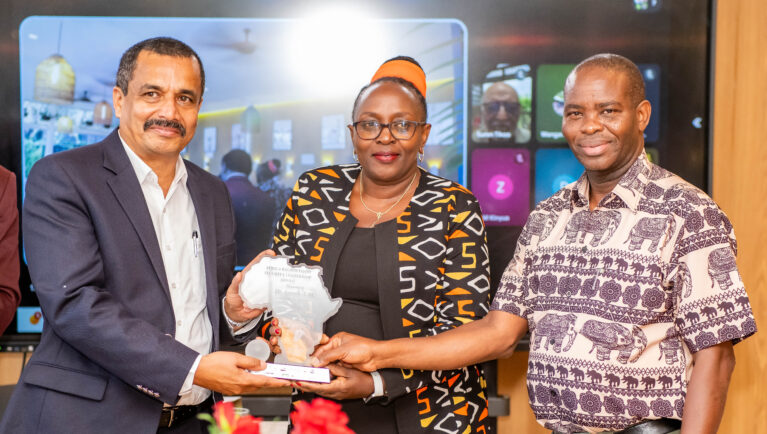
In Nairobi, a gathering of African scientists, regulators, and seed sector leaders marked a significant milestone in the fight against maize lethal necrosis (MLN), a devastating disease that has threatened food security across the continent. Suresh Lingadahalli Mahabaleshwara, widely known as Suresh L.M., was honored with the Africa Region Food Security Leadership Award for his groundbreaking work with the International Maize and Wheat Improvement Center (CIMMYT) in developing disease-resistant maize hybrids, improving diagnostics, and fostering regional collaboration to combat the threat.
The award, jointly conferred by national agricultural research systems, national plant protection organizations, and private seed sector partners across Sub-Saharan Africa, recognizes not only Suresh's scientific contributions but also his sustained efforts to strengthen plant health systems, safeguard seed movement, and build resilient agricultural systems in the face of a transboundary threat.
The crisis began in 2011 when MLN, caused by the interaction of two viruses, first emerged in Kenya. Initially observed as unusual symptoms in maize fields, the disease quickly escalated into a full-scale outbreak, capable of wiping out entire harvests, particularly when infections occurred early in the season. The rapid spread of MLN beyond Kenya into Ethiopia, Rwanda, Tanzania, Uganda, the Democratic Republic of Congo, and Burundi exposed significant weaknesses in breeding pipelines, diagnostics, and seed systems.
Over the past decade, Suresh dedicated his career to addressing these challenges as part of CIMMYT's Global Maize Program. Central to his efforts was the establishment of the MLN screening facility in Naivasha, Kenya, in 2013 through a collaboration between CIMMYT and the Kenya Agricultural and Livestock Research Organization (KALRO). This facility became a globally recognized phenotyping hub, enabling researchers to identify and evaluate maize varieties resistant to MLN.
Suresh's work also focused on developing disease-resistant maize hybrids, which have proven crucial in mitigating the impact of MLN on maize production. By identifying and propagating resistant lines, he helped to create a robust breeding base that has been instrumental in developing new hybrids with improved resistance to the disease. These hybrids have been widely adopted by farmers across the region, significantly reducing crop losses and enhancing food security.
In addition to breeding and phenotyping efforts, Suresh played a pivotal role in improving diagnostic capabilities for MLN. His team developed rapid and accurate diagnostic tools, enabling farmers and researchers to detect the disease early and take appropriate measures to protect their crops. This early detection has been key in limiting the spread of MLN and minimizing its impact on maize production.
Furthermore, Suresh's contributions extended to strengthening seed systems across the region. He worked closely with national seed certification authorities to ensure that only healthy seeds were released for planting, thereby reducing the risk of MLN transmission through infected seeds. This collaboration helped to establish a robust seed health infrastructure, which has been essential in maintaining the integrity of maize production systems.
Perhaps most importantly, Suresh's work underscored the importance of regional collaboration in addressing transboundary agricultural threats. By fostering partnerships between research institutions, regulatory bodies, and seed industry stakeholders, he helped to create a unified approach to combating MLN. This collaborative effort has not only enhanced the region's ability to respond to the disease but has also laid the foundation for addressing future agricultural challenges.
The Africa Region Food Security Leadership Award is a testament to Suresh's dedication to improving food security across Sub-Saharan Africa. His decade-long efforts to strengthen maize disease resilience and seed systems have not only saved countless hectares of maize land but have also supported farmers in building resilient agricultural systems. As the continent continues to grapple with the impacts of climate change and other challenges, the work of scientists like Suresh L.M. will remain crucial in ensuring the long-term sustainability of food production and food security in Africa.