
Church Commissioners leans on forestry as returns and optionality grow
Once a core diversifier, timberland is now delivering double-digit returns and new sources of value, says team lead Aleksi Ehtee.
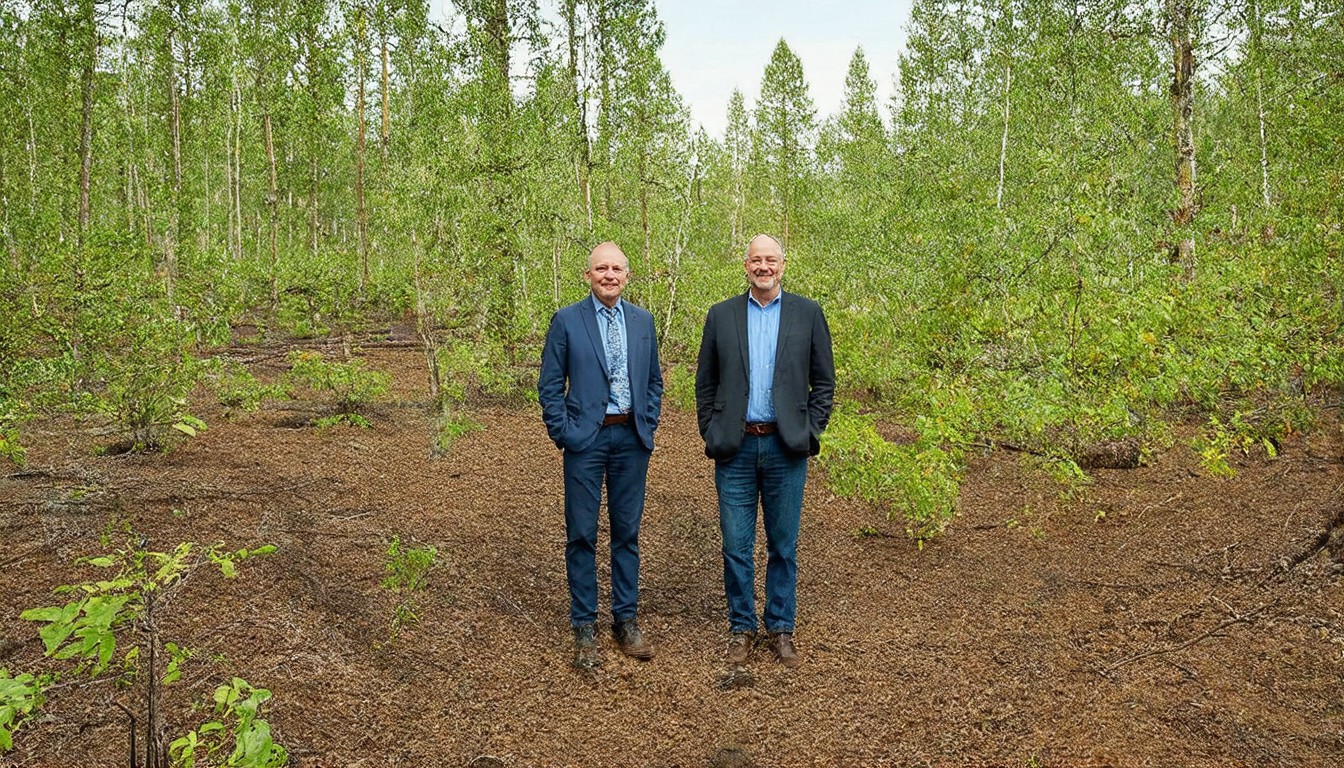
In recent years, the Church Commissioners, a longstanding institution responsible for managing the financial affairs of the Church of England, has increasingly turned its attention to forestry as a key area of investment. Under the guidance of team lead Aleksi Ehtee, the organization has found that timberland is not only a core diversifier but also a significant source of double-digit returns and new value streams.
The Church Commissioners, which was established in 1837, has traditionally focused on investments that align with its mission to support the Church of England and promote social good. In recent times, however, the institution has expanded its portfolio to include more diversified assets, with a particular emphasis on sustainable and environmentally friendly options. Forestry has emerged as a standout sector within this diversification strategy.
Aleksi Ehtee, who leads the Church Commissioners' investment team, has highlighted the growing potential of timberland as an investment opportunity. In a recent interview, Ehtee noted that timberland is delivering double-digit returns, significantly outperforming many traditional investment avenues. This success can be attributed to a combination of factors, including the increasing demand for sustainable resources, the potential for carbon credits, and the long-term value of well-managed forests.
One of the key drivers of this growth has been the rise in demand for sustainable timber products. Consumers and businesses alike are increasingly recognizing the importance of environmentally responsible practices, and this has led to a surge in demand for timber sourced from certified, well-managed forests. The Church Commissioners has capitalized on this trend by investing in timberlands that adhere to strict sustainability standards, ensuring that their investments are not only financially rewarding but also environmentally responsible.
In addition to the direct returns from timber sales, the Church Commissioners has also discovered new sources of value in forestry. One such source is carbon credits, which are generated when forests absorb carbon dioxide from the atmosphere. By investing in large tracts of forest, the Church Commissioners can generate income from both timber sales and carbon credits, creating a dual-revenue stream that enhances the overall profitability of these investments.
Moreover, the long-term value of well-managed forests cannot be overstated. As climate change and environmental concerns become more pressing, the demand for sustainable resources is likely to continue growing. This means that timberlands that are carefully managed and maintained will only become more valuable over time, providing a stable and reliable source of income for the Church Commissioners.
The Church Commissioners' success in forestry is also a testament to the importance of adaptability in investment management. By recognizing the potential of timberland as a diversifier and a source of significant returns, the institution has been able to reposition itself in a way that aligns with both its mission and the evolving global market. This strategic shift has not only enhanced the financial performance of the Church Commissioners but also reinforced its commitment to sustainability and social responsibility.
In conclusion, the Church Commissioners' growing focus on forestry as an investment area highlights the potential of timberland to deliver substantial returns and new sources of value. Under the leadership of Aleksi Ehtee, the institution has successfully diversified its portfolio, capitalizing on the rising demand for sustainable resources and the opportunities presented by carbon credits. As the world continues to grapple with environmental challenges, the Church Commissioners' investment in forestry serves as a model for how traditional institutions can adapt to new realities while remaining true to their core values.








