Choirs seek to protect a musical tradition little changed since Queen Elizabeth I
A campaign is underway to protect England's choral music tradition, which has thrived for nearly 500 years
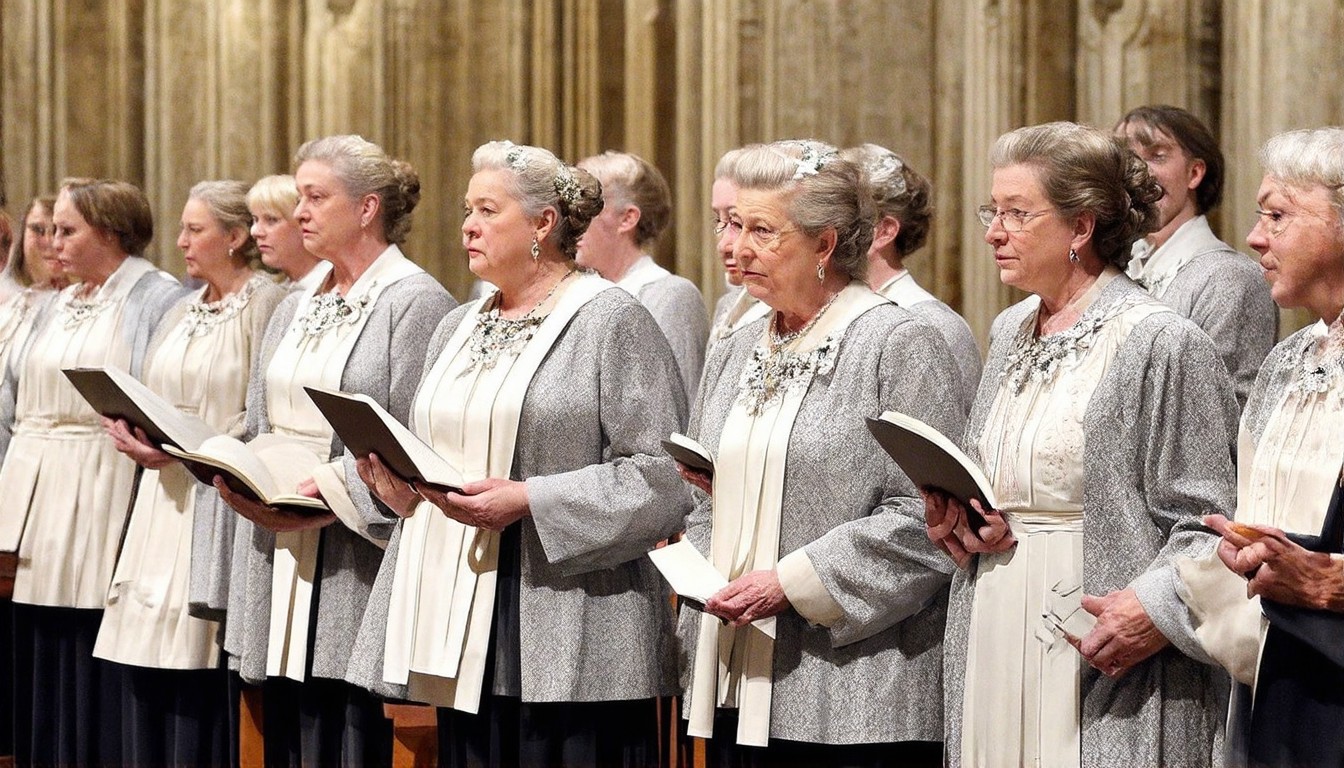
In recent years, a growing movement has emerged among choirs and music enthusiasts in England to safeguard a centuries-old tradition of choral music that has remained largely unchanged since the reign of Queen Elizabeth I. This campaign, driven by a sense of cultural heritage and a desire to preserve a unique musical legacy, highlights the enduring appeal of this art form and its continued relevance in modern times.
The roots of this tradition can be traced back to the 16th century, when the Tudor monarchs, particularly Queen Elizabeth I, were patrons of the arts and promoted the development of English music. During this period, choral music played a central role in religious services, and composers like William Byrd and Thomas Tallis created masterpieces that became the foundation of the English choral repertoire. Over the centuries, these works have been passed down through generations, performed in cathedrals, colleges, and community churches, often with minimal changes to the original compositions.
Today, choirs across England continue to perform these pieces, ensuring that the tradition lives on. However, the landscape of choral music has changed significantly since the 16th century. The rise of secular music, the decline of religious institutions, and the influence of modern technology have posed challenges to the preservation of this tradition. Many choirs are struggling to attract new singers, particularly younger individuals who may be more drawn to contemporary genres. Additionally, the cost of maintaining historic buildings and instruments, which are essential for the authentic performance of early music, has become a growing concern.
In response to these challenges, a coalition of choirs, musicians, and cultural organizations has launched a campaign to protect and promote England's choral music tradition. This initiative includes efforts to document and archive historical scores, provide training and resources for conductors and singers, and foster collaborations between choirs of different sizes and backgrounds. By doing so, the campaign aims to ensure that the tradition remains vibrant and accessible to future generations.
One of the key strategies of the campaign is to raise public awareness about the significance of this musical heritage. Concerts, workshops, and educational programs are being organized to showcase the beauty and complexity of choral music from different periods. These events not only celebrate the tradition but also aim to inspire new audiences to engage with this art form.
Moreover, the campaign is working to address the practical challenges faced by choirs. This includes seeking funding for the preservation of historic buildings and instruments, as well as exploring new ways to attract and train singers. For instance, some choirs are experimenting with outreach programs in schools and universities to reach younger people and introduce them to the joys of choral singing.
The campaign's success will depend on the collective efforts of choirs, musicians, and the broader community. By safeguarding this musical tradition, England can ensure that its cultural identity remains rich and diverse, offering a unique perspective on the evolution of music over centuries. The enduring popularity of choral music, despite the passage of time and changing tastes, serves as a testament to its timeless appeal and a reminder of the importance of preserving our cultural heritage for future generations.
In conclusion, the campaign to protect England's choral music tradition since Queen Elizabeth I is a vital effort to maintain a cultural legacy that has shaped the musical landscape for nearly five centuries. Through a combination of educational outreach, practical support, and public engagement, this initiative seeks to ensure that the tradition continues to thrive, inspiring both current and future generations to appreciate the beauty and depth of choral music.