
Chinese PV Industry Brief: Sungrow storage overtakes inverters in 2025
Sungrow says energy storage systems overtook PV inverters as its largest business segment in 2025, as the company posted double-digit revenue and profit growth.
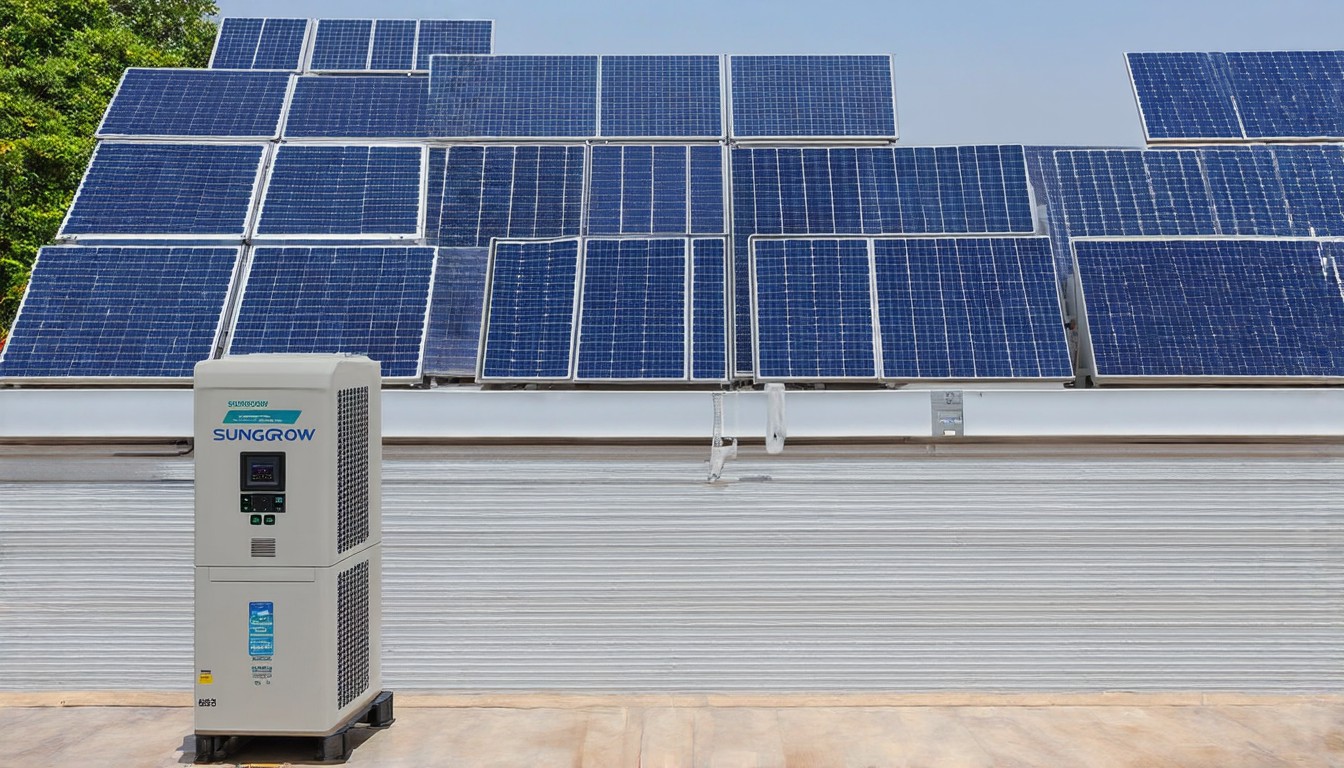
In 2025, the Chinese photovoltaic (PV) industry witnessed a significant shift in the business focus of Sungrow, a leading player in the sector. The company announced that energy storage systems had overtaken PV inverters to become its largest revenue segment, marking a pivotal change in the industry. This development coincided with Sungrow's impressive financial performance, which included double-digit growth in both revenue and profit.
Sungrow's total revenue for 2025 reached CNY 89.184 billion ($12.95 billion), an increase of 14.55% year-on-year. The company's net profit attributable to shareholders also grew by 21.97%, reaching CNY 13.461 billion. This strong financial performance was driven by the rapid expansion of the energy storage systems segment, which generated CNY 37.287 billion in revenue, up 49.39%. This segment accounted for 41.8% of the company's total revenue, underscoring the growing importance of energy storage in the PV industry.
In contrast, PV inverters, which had previously been Sungrow's largest business segment, still contributed significantly to the company's revenue. In 2025, PV inverter revenue totaled CNY 31.136 billion, with global shipments of 198 GW and an estimated 30% market share. The company's overseas revenue also saw substantial growth, rising 48.7% to CNY 53.992 billion, which represented 60.5% of the total revenue. This expansion highlights Sungrow's successful global strategy and its ability to capitalize on international markets.
However, Sungrow's fourth-quarter net profit experienced a more than 50% year-on-year decline, attributed to a CNY 1.0 billion incentive fund provision and adjustments to overseas project delivery schedules. Despite this, the company remains optimistic about its future, with plans to advance its Hong Kong listing to support further global expansion.
In addition to Sungrow's financial report, the Chinese PV industry faced several noteworthy developments in 2025. The National Energy Administration (NEA) reported that China's nationwide PV utilization rate reached 90.8% in January to February, down four percentage points from the 2025 average. This decline was attributed to reduced electricity demand during the Lunar New Year holiday period, when lower industrial and commercial activity typically increases solar curtailment. The utilization rate approached the commonly cited 90% curtailment threshold, raising concerns about the efficiency of China's solar energy infrastructure.
Meanwhile, GCL New Energy announced that its board had proposed changing the company's English name to Dynasty Digital Holdings Ltd, reflecting a strategic shift toward integrating digital technologies, including AI and Web3.0, into its business development. This move signifies a broader trend within the Chinese PV industry, where companies are increasingly recognizing the importance of digital innovation to remain competitive in the global market.
The China Nonferrous Metals Industry Association (CNMIA) also provided insights into the industry's growth and challenges. As the PV industry continues to evolve, companies like Sungrow are adapting to changing market dynamics, with a growing emphasis on energy storage systems. This shift not only reflects the increasing importance of energy storage in the transition to a sustainable energy future but also highlights the strategic foresight of companies like Sungrow in positioning themselves for long-term success.
In conclusion, the Chinese PV industry in 2025 witnessed significant changes, with Sungrow's pivot to energy storage systems as its largest revenue segment being a standout development. The company's strong financial performance, coupled with its global expansion plans, underscores its commitment to innovation and growth. Meanwhile, the broader industry faced challenges related to PV utilization rates and the need for digital integration, reflecting the complex landscape of the Chinese PV sector. As the industry continues to evolve, companies will need to adapt to new technologies and market demands to remain competitive in the global arena.









