
Chinese pigs fed new menu as Beijing weans farmers off US soya beans
Beijing is moving faster than previously thought to deploy new tech for and promote fermented feed.
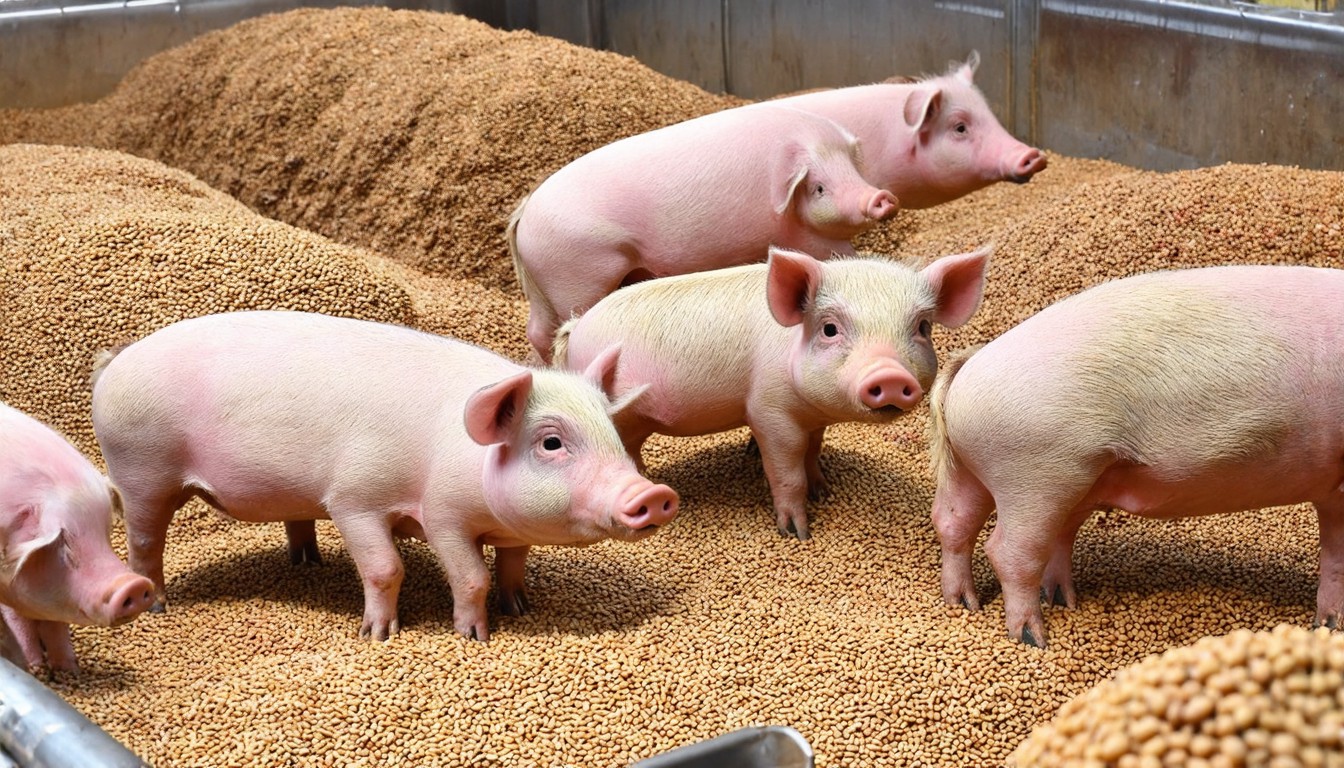
Chinese pigs fed new menu as Beijing weans farmers off US soya beans
In a swift move to reduce reliance on American soybeans, the Chinese government has accelerated its push to introduce fermented feed for pigs, a shift that is expected to reshape the country's agricultural landscape. This initiative, which has been in the works for several years, is now being implemented more rapidly than anticipated, as Beijing aims to diversify its agricultural inputs and reduce its dependence on a key U.S. export.
The decision to promote fermented feed for pigs is part of a broader strategy to enhance food security and reduce the country's vulnerability to global market fluctuations. Soybeans, which are a critical component of pig feed, have faced increased scrutiny due to geopolitical tensions and trade restrictions. By shifting to fermented feed, China hopes to not only reduce its reliance on U.S. soybeans but also to improve the sustainability and efficiency of its pig farming industry.
Fermented feed, also known as fermented feedstuff, is produced through a process that involves microbial fermentation of plant-based materials. This method not only enhances the nutritional value of the feed but also reduces the need for soybeans, which are often grown in regions with significant environmental concerns. The use of fermented feed is expected to lower the environmental impact of pig farming in China, as it can help reduce the need for land conversion and the associated deforestation and biodiversity loss.
The Chinese government has been actively promoting the adoption of fermented feed through various incentives and subsidies. Farmers who switch to using fermented feed are eligible for financial support and technical assistance, which is designed to help them adapt to the new technology and practices. Additionally, the government has invested in research and development to improve the quality and efficiency of fermented feed, ensuring that it meets the nutritional needs of pigs while being more sustainable than traditional soybean-based feed.
The shift towards fermented feed is not without challenges. Some farmers have expressed concerns about the initial costs and the need for new equipment and infrastructure. However, the government has been working closely with agricultural experts and industry stakeholders to address these concerns and provide the necessary support for a smooth transition.
The move to fermented feed is also part of a larger effort by China to diversify its agricultural inputs and reduce its dependence on a single source for critical agricultural commodities. By investing in alternative feed sources, China aims to ensure food security and stability in the face of global market uncertainties and geopolitical tensions.
In addition to its agricultural benefits, the adoption of fermented feed could also have economic implications. By reducing reliance on U.S. soybeans, China could potentially strengthen its domestic agricultural sector and create new opportunities for domestic producers of fermented feed ingredients. This could lead to job creation and stimulate growth in related industries, further solidifying China's position as a global agricultural powerhouse.
As the Chinese government continues to implement its new feed strategy, it remains to be seen how quickly the industry will adapt and whether the shift to fermented feed will be successful. However, the commitment to this initiative is a clear indication of China's determination to secure its food supply and reduce its vulnerability to external shocks.
In conclusion, the Chinese government's decision to accelerate the deployment of fermented feed for pigs represents a significant shift in agricultural policy and practice. By reducing reliance on U.S. soybeans and promoting a more sustainable and diversified feed system, China is taking a proactive step towards ensuring food security and resilience in the face of global challenges. The success of this initiative will depend on the ability of farmers and industry stakeholders to adapt to new technologies and practices, but the potential benefits for both the environment and the economy are significant. As China continues to implement this new strategy, the global agricultural community will be watching closely to see how this transformation unfolds.









