
Chinese chip firms hit record high revenue driven by the AI boom and U.S. curbs
Chinese chip companies have benefited from strong domestic demand for AI as U.S. tech curbs have bolstered local firms.
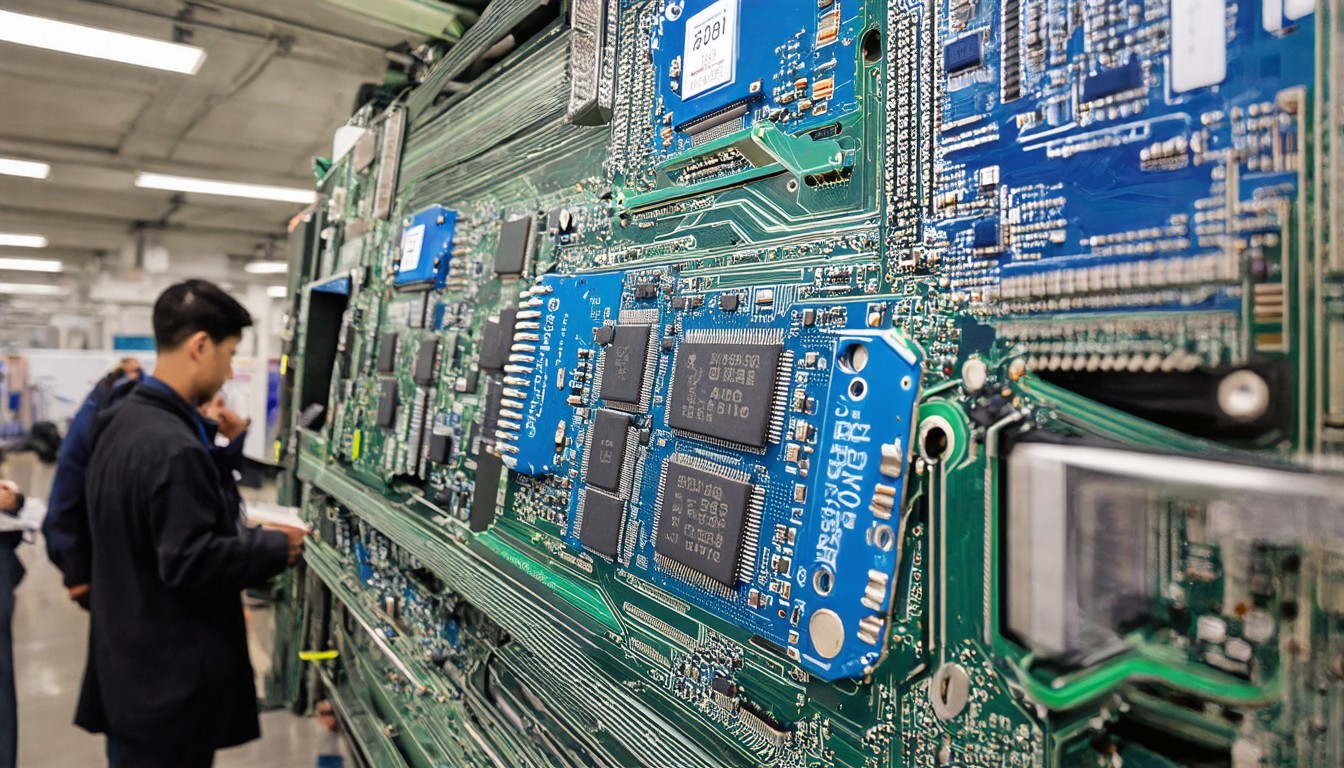
Chinese chip firms have experienced a significant surge in revenue, reaching record highs, driven by a combination of robust domestic demand for artificial intelligence (AI) technologies and the U.S. imposing restrictions on tech exports. This dual factor has created a unique opportunity for these companies to thrive in a global market that is increasingly competitive and shifting towards AI-driven solutions.
The rise of AI in China has been fueled by the government's ambitious plans to establish the country as a global leader in this field. The "Made in China 2025" strategy, which aims to strengthen the nation's technological capabilities, has prioritized investments in AI and related industries. This has led to a surge in domestic demand for advanced semiconductors and related hardware, providing Chinese chip manufacturers with a substantial market to tap into.
In addition to domestic growth, the U.S. has implemented measures that have inadvertently bolstered Chinese chip firms. The Trump administration's decision to impose tariffs on Chinese goods, coupled with the Biden administration's focus on reducing reliance on foreign technology, has led to a reassessment of supply chains by global tech companies. This has created an opportunity for Chinese firms to step in and fill the gap left by U.S. and Taiwanese manufacturers, who have faced increased scrutiny and restrictions.
One of the key beneficiaries of this shift has been companies like SMIC (Semiconductor Manufacturing International Corporation), which has been aggressively expanding its capabilities to meet the growing demand for AI-related chips. SMIC has been at the forefront of China's efforts to develop indigenous semiconductor technology, and the recent revenue surge reflects its success in this endeavor.
However, the U.S. restrictions have not been limited to tariffs. The Biden administration's National Defense Strategy has highlighted the need to reduce dependence on foreign technology, particularly from China. This has led to increased scrutiny of Chinese chip companies, with concerns about potential espionage and security risks. As a result, many U.S. tech firms have been forced to look for alternative suppliers, further benefiting Chinese manufacturers.
Despite these advantages, Chinese chip firms are not without challenges. The global semiconductor industry is highly competitive, and the rapid pace of technological advancement means that companies must continually innovate to stay ahead. Additionally, the U.S. and other countries are investing heavily in their own semiconductor industries, aiming to reduce their reliance on foreign suppliers. This could potentially limit the growth opportunities for Chinese firms in the long term.
Moreover, the geopolitical tensions between the U.S. and China have created an uncertain environment for international trade. The ongoing trade war and the broader rivalry between the two nations could lead to further restrictions and disruptions in the global supply chain. While this has provided a short-term boost to Chinese chip companies, it also underscores the need for them to diversify their markets and develop strong international partnerships to ensure long-term stability.
In conclusion, the record high revenues achieved by Chinese chip firms are a testament to the potential of the AI market and the strategic advantages that can arise from geopolitical shifts. As the global race for AI leadership intensifies, these companies will need to navigate complex challenges and opportunities to maintain their competitive edge. The trajectory of their success will be closely watched, not only in China but also by policymakers and businesses around the world as they grapple with the implications of the AI boom and the evolving global tech landscape.









