
Chinese chip firms hit record high revenue driven by the AI boom and U.S. curbs
Chinese chip companies have benefited from strong domestic demand for AI as U.S. tech curbs have bolstered local firms.
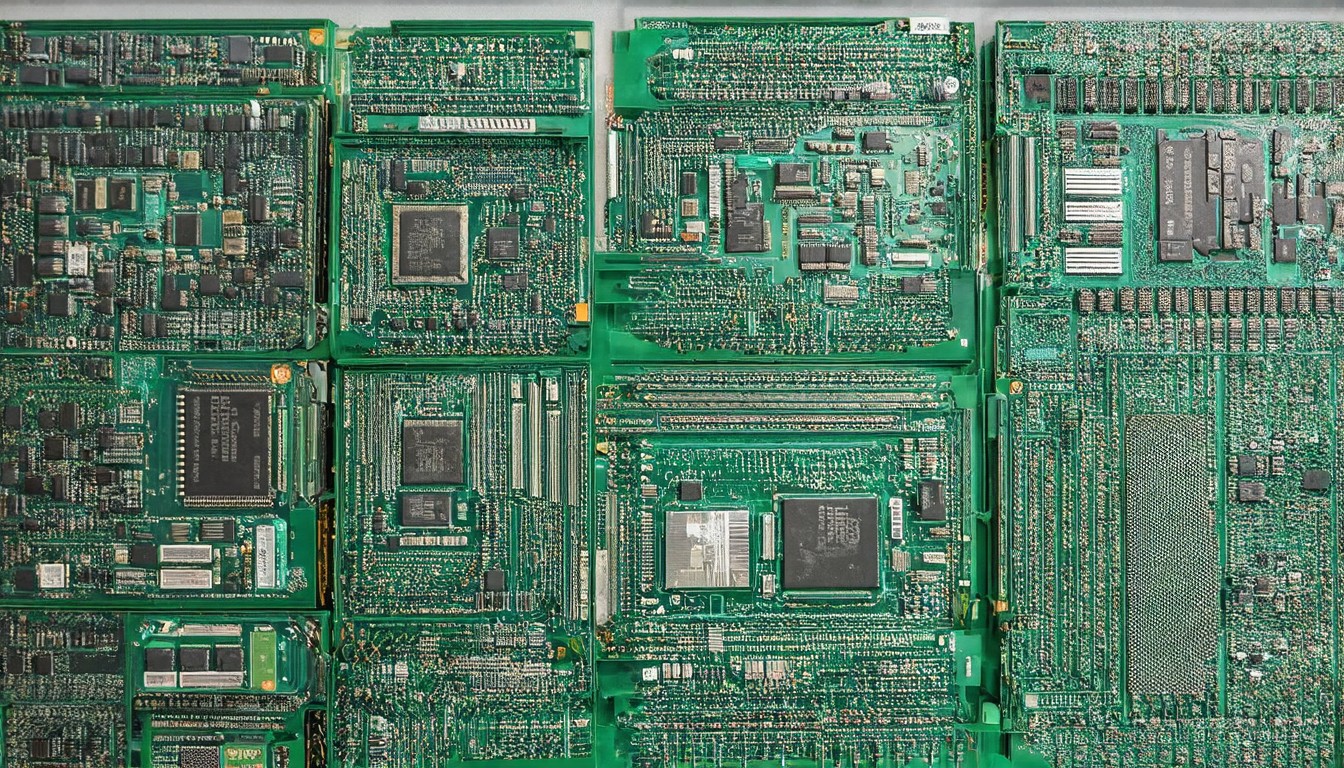
Chinese chip firms have experienced a significant surge in revenue, reaching record highs, driven by a combination of robust domestic demand for artificial intelligence (AI) technologies and the U.S. imposing restrictions on certain tech exports. This dual-factor dynamic has created a unique opportunity for these companies to thrive in a global market that is increasingly competitive and politically charged.
The AI boom in China has been a major driver of this growth. The country has been at the forefront of AI innovation, investing heavily in research and development to stay ahead in the technological race. Chinese firms have capitalized on this momentum by developing advanced AI solutions that cater to the unique needs of the domestic market. From facial recognition systems to natural language processing technologies, these companies have been able to meet the growing demand for AI-powered solutions in industries such as healthcare, finance, and transportation.
In addition to the strong domestic demand, the U.S. has imposed various restrictions on the export of advanced semiconductor technologies to China. These measures, which have been part of a broader strategic effort to curb China's technological advancement, have inadvertently created a vacuum that local Chinese firms have been quick to fill. By focusing on domestic production and innovation, these companies have been able to reduce their reliance on foreign technology and strengthen their position in the global market.
One of the most notable beneficiaries of this shift has been companies like SMIC (Semiconductor Manufacturing International Corporation) and Huawei, which have been at the forefront of China's semiconductor and AI industries. SMIC, in particular, has been able to leverage its position as the largest semiconductor manufacturer in China to expand its offerings and secure lucrative contracts with both domestic and international clients. Huawei, despite facing its own set of challenges due to U.S. sanctions, has also been a key player in the AI market, developing cutting-edge technologies that have been widely adopted across various sectors.
The growth of Chinese chip firms is not without its challenges. The industry faces intense competition from global players such as Taiwan's TSMC and South Korea's Samsung, which have historically dominated the semiconductor market. However, the current geopolitical landscape and the U.S. restrictions have provided Chinese companies with a unique opportunity to carve out their own niche. By focusing on areas where they can excel, such as AI and high-performance computing, these firms are positioning themselves to become leaders in the future of technology.
Moreover, the Chinese government has been actively supporting this growth by investing in infrastructure and talent development. The government has launched several initiatives to boost the domestic semiconductor industry, including the establishment of new research centers and the provision of tax incentives for companies that invest in AI and related technologies. These efforts have helped to create a conducive environment for innovation and growth, further propelling Chinese chip firms towards new heights.
The impact of this growth is felt not only within China but also globally. As Chinese chip firms expand their reach, they are becoming increasingly important players in the international market. This development has implications for global trade and geopolitics, as it challenges the traditional dominance of certain regions and companies in the semiconductor and AI industries.
In conclusion, the record high revenues of Chinese chip firms are a testament to the potential of a combination of strong domestic demand and strategic geopolitical factors. By leveraging their strengths in AI and adapting to the changing global landscape, these companies are poised to play a significant role in shaping the future of technology. As the AI boom continues and geopolitical tensions persist, the trajectory of these firms will be closely watched by industry experts and policymakers alike.









