
China’s Xi urges faster development of new energy system as Middle East war continues
Chinese President Xi Jinping did not directly mention the war in his remarks cited by CCTV.
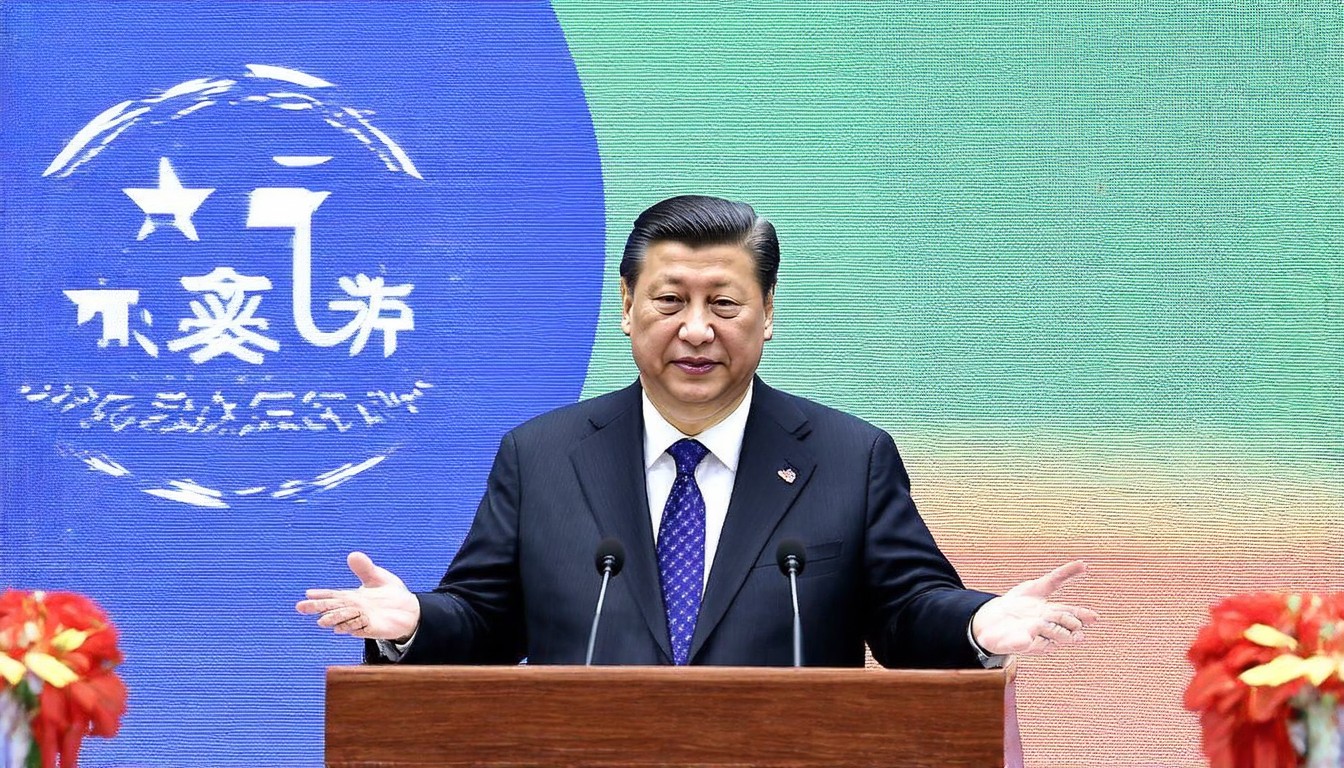
China’s President Xi Jinping has called for a faster development of a new energy system, as tensions in the Middle East continue to escalate. In a recent speech, Xi emphasized the need for China to transition towards cleaner and more sustainable energy sources, highlighting the importance of this shift in the face of global challenges. While Xi did not explicitly reference the ongoing conflict in the Middle East in his remarks, which were broadcasted by state-run news outlet CCTV, the context of his comments suggests a clear connection to the region’s instability.
The Middle East has long been a critical source of oil and gas for China, providing the country with a significant portion of its energy needs. However, the ongoing war in the region has disrupted supply chains and raised concerns about energy security. As a result, China has been increasingly focused on diversifying its energy sources and reducing its reliance on the Middle East. Xi’s call for a faster development of a new energy system is seen as a strategic move to ensure energy independence and stability.
China has already made significant strides in its energy transition, with renewable energy sources such as wind and solar power playing an increasingly important role. The country has set ambitious targets for the growth of renewable energy, aiming to contribute to global efforts to combat climate change. Xi’s recent remarks underscore the government’s commitment to these goals, as well as its recognition of the geopolitical risks associated with dependence on volatile energy markets.
The Middle East war has also highlighted the importance of energy diversification for China. With the region’s instability posing risks to supply, Beijing has been exploring alternative sources of energy, including Russia and other countries. However, Xi’s emphasis on a new energy system goes beyond simply finding new suppliers. It reflects a broader vision for China’s energy future, one that prioritizes sustainability and technological innovation.
In addition to renewable energy, China is also investing heavily in nuclear power and advanced technologies such as hydrogen fuel cells. These initiatives are part of a larger strategy to reduce carbon emissions and improve energy security. Xi’s call for a faster development of a new energy system is a reflection of the government’s determination to lead the way in this transition, both domestically and internationally.
The Middle East war has served as a catalyst for China’s energy strategy, accelerating its move towards a more diversified and sustainable energy mix. While Xi did not directly mention the conflict, his remarks are a clear indication of the geopolitical factors driving China’s energy policies. As the region’s instability continues to shape global energy markets, China’s focus on a new energy system is expected to have far-reaching implications, not only for its own energy security but also for the global energy landscape.
In conclusion, China’s President Xi Jinping’s call for a faster development of a new energy system is a response to the challenges posed by the ongoing Middle East war and the broader need for sustainable energy solutions. By prioritizing renewable energy, nuclear power, and advanced technologies, China is positioning itself to reduce its reliance on volatile energy markets and contribute to global efforts to combat climate change. The Middle East conflict has underscored the urgency of this transition, as China seeks to ensure energy security and stability in an increasingly uncertain geopolitical environment.








