
China’s Xi urges faster development of new energy system as Middle East war continues
Chinese President Xi Jinping did not directly mention the war in his remarks cited by CCTV.
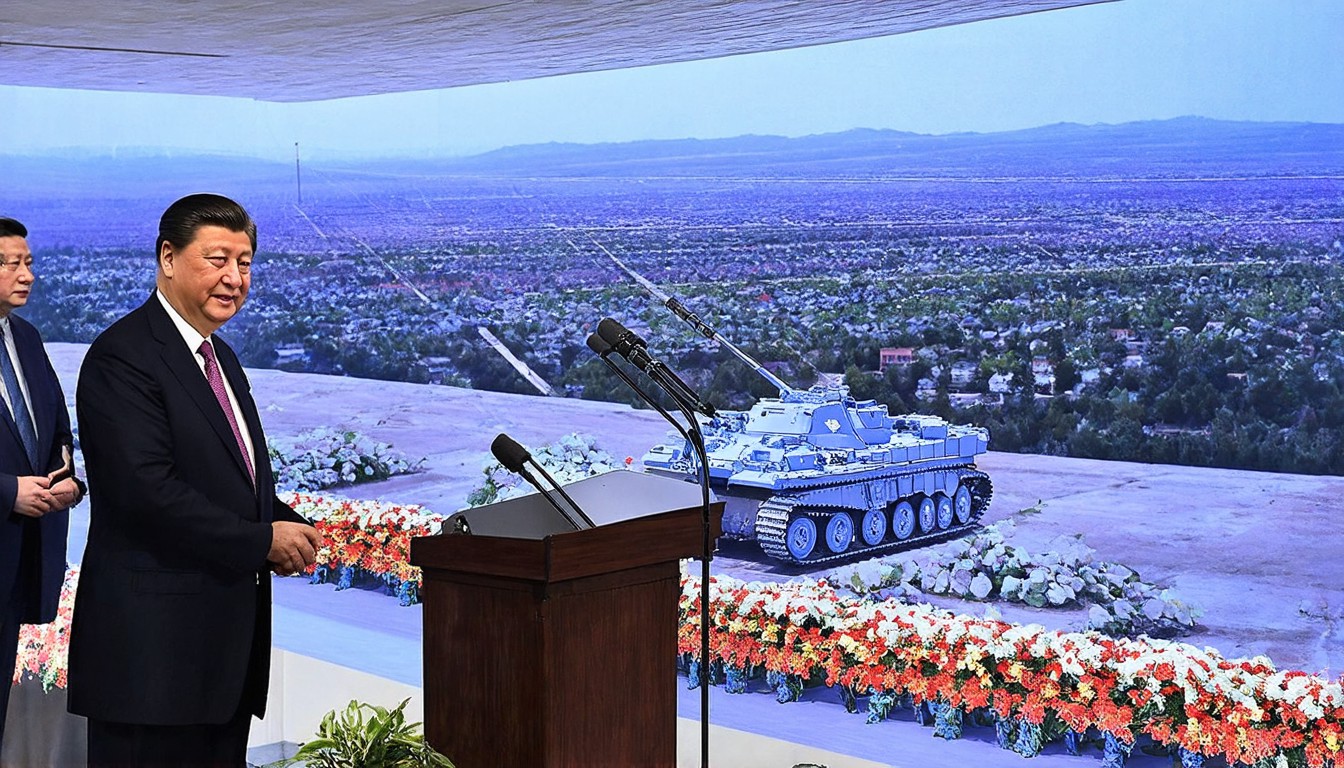
China’s President Xi Jinping has called for a faster development of a new energy system, as tensions in the Middle East continue to escalate. In a recent speech, Xi emphasized the need for the country to transition to cleaner and more sustainable energy sources, highlighting the importance of this shift in the face of global challenges. While Xi did not explicitly reference the ongoing conflict in the Middle East in his remarks, which were broadcasted by state-run news outlet CCTV, the timing of his comments cannot be ignored.
The Middle East war, which has been raging for several months, has caused significant disruptions in global energy markets. Oil prices have spiked, leading to shortages and increased costs for consumers worldwide. This has underscored the vulnerability of nations reliant on fossil fuels, particularly those in the Middle East, and has intensified calls for a global energy transition. In this context, Xi’s emphasis on accelerating China’s move towards a new energy system takes on added significance.
China, the world’s second-largest energy consumer, has long been a major player in the fossil fuel industry. However, in recent years, the country has made significant strides in renewable energy development. Under Xi’s leadership, China has set ambitious targets for increasing its share of renewable energy in the national power mix. The government has invested heavily in solar, wind, and other clean energy technologies, aiming to reduce its dependence on coal and other non-renewable sources.
Xi’s call for a faster development of the new energy system is part of a broader strategy to position China as a global leader in sustainable energy. The country has already become a dominant force in the production of renewable energy equipment, such as solar panels and wind turbines. By accelerating its transition to cleaner energy, China not only aims to reduce its carbon footprint but also to secure a more stable and diversified energy supply.
The Middle East war has further highlighted the geopolitical risks associated with traditional energy sources. The instability in the region has disrupted global supply chains and increased the price volatility of oil and gas. This has prompted many countries to reevaluate their energy strategies and explore alternatives to fossil fuels. China’s decision to prioritize the development of a new energy system can be seen as a strategic move to mitigate these risks and ensure energy security.
Moreover, Xi’s emphasis on a sustainable energy future aligns with China’s broader goals of achieving carbon neutrality by 2060. The country has set ambitious targets for reducing greenhouse gas emissions and has become a key player in international climate negotiations. By accelerating its transition to clean energy, China is not only addressing its own energy needs but also contributing to global efforts to combat climate change.
The Middle East war has undeniably influenced the global energy landscape, prompting a reevaluation of existing energy policies and strategies. China’s decision to prioritize the development of a new energy system reflects a pragmatic approach to energy security and sustainability. By investing in renewable energy and reducing its reliance on volatile fossil fuel markets, China is positioning itself to navigate the complexities of the modern energy world.
In conclusion, President Xi Jinping’s call for a faster development of a new energy system is a response to the challenges posed by the ongoing Middle East conflict and the broader need for sustainable energy solutions. China’s strategic focus on renewable energy not only addresses its own energy needs but also positions the country as a global leader in the transition to a cleaner, more sustainable energy future. As the world continues to grapple with the implications of the Middle East war, China’s commitment to accelerating its energy transition serves as a model for other nations seeking to ensure energy security and combat climate change.








