
China’s stunning new campaign to turn the world against Taiwan
Seventy countries have recently backed “all Chinese efforts” to take the island
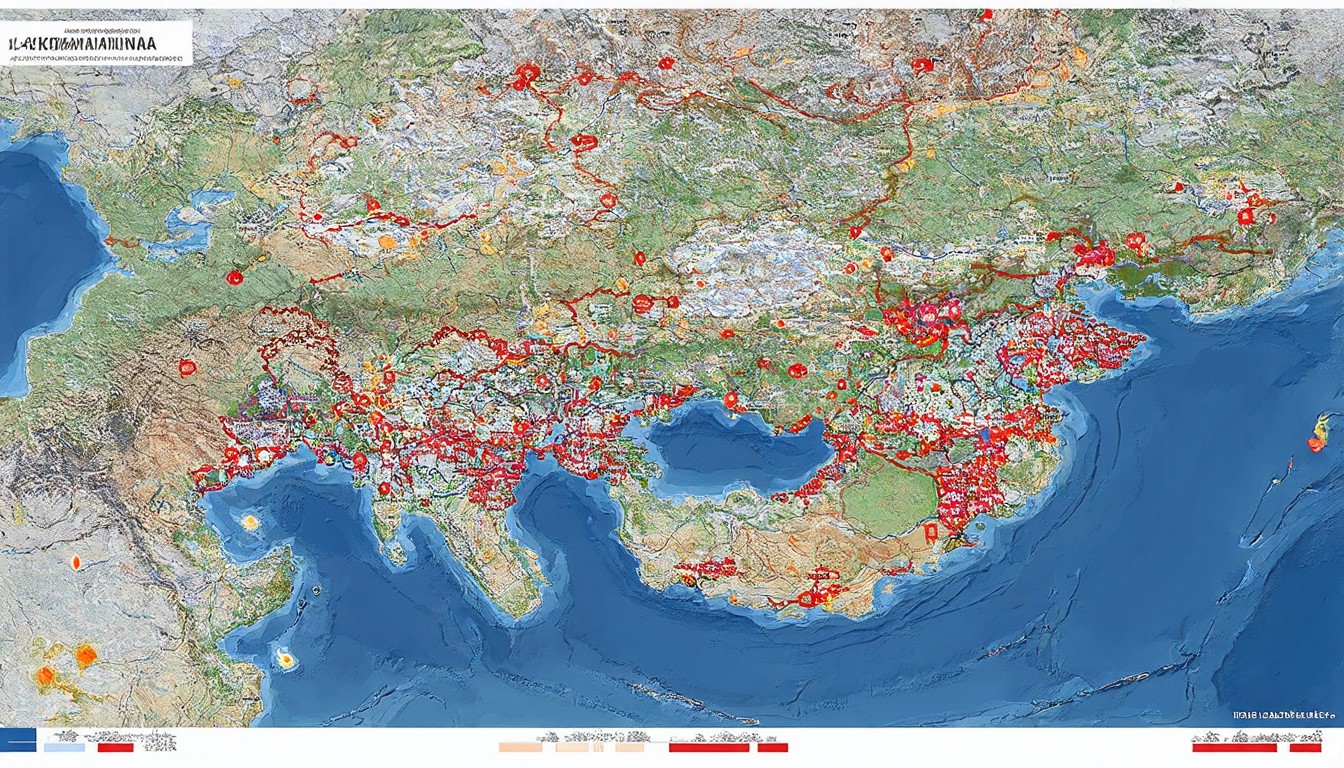
In a bold diplomatic move, China has launched a new campaign aimed at garnering global support for its stance on Taiwan. The initiative, which has already seen backing from seventy countries, emphasizes the need for the international community to endorse “all Chinese efforts” to address the island’s status. This development marks a significant escalation in China’s efforts to isolate Taiwan on the world stage and underscores the growing tensions between Beijing and Taipei.
The campaign, which has been meticulously crafted by China’s foreign ministry, focuses on leveraging diplomatic ties and political alliances to sway nations into recognizing the “One China” policy. This policy, which asserts that Taiwan is an inalienable part of the People’s Republic of China, has been a contentious issue for decades, with many countries choosing to maintain a neutral stance. However, the recent surge in support for China’s efforts suggests a shift in global perceptions, driven by Beijing’s strategic diplomatic outreach.
Among the seventy countries that have endorsed China’s stance, several are long-standing allies, such as Russia and Pakistan. These nations have historically supported China’s position on Taiwan, often citing the need for regional stability and the importance of non-interference in internal affairs. Additionally, a number of smaller countries, particularly those in Africa and Asia, have joined the chorus, likely influenced by China’s economic investments and aid programs.
The campaign has not gone unnoticed by Taiwan, which has expressed concern over the growing pressure from its international partners. Taiwanese officials have accused China of using economic coercion and diplomatic intimidation to sway nations into aligning with its position. They argue that such actions undermine the principle of self-determination and threaten the island’s sovereignty.
The United States, a key ally of Taiwan, has taken a cautious stance in response to China’s campaign. While the U.S. has not explicitly endorsed China’s efforts, it has consistently maintained that it adheres to the One-China policy, as outlined in the Taiwan Relations Act. This policy recognizes the PRC as the sole legitimate government of China, while also affirming the U.S.’s commitment to defend Taiwan’s security.
The recent diplomatic push by China is part of a broader strategy to assert its influence on the global stage. By consolidating support for its stance on Taiwan, Beijing aims to weaken Taiwan’s international standing and deter any potential moves towards formal independence. This campaign also serves as a warning to other nations, suggesting that those who do not align with China’s position may face repercussions in terms of economic and diplomatic relations.
The implications of this campaign extend beyond Taiwan, as it highlights the growing influence of China in international affairs. The willingness of seventy countries to back China’s efforts underscores the complexity of global diplomacy and the challenges faced by nations in balancing their own interests with the pressures exerted by powerful actors like China.
In conclusion, China’s new campaign to garner global support for its stance on Taiwan represents a significant shift in the geopolitical landscape. By leveraging diplomatic alliances and economic incentives, Beijing is attempting to isolate Taiwan and reinforce its claim over the island. While this campaign has met with mixed reactions, it underscores the ongoing tensions between China and Taiwan and the complexities of international relations in the 21st century. As the situation continues to evolve, it will be crucial for nations to navigate these challenges while upholding their own values and principles.








