
China targets Taiwan’s chip prowess to evade global ‘containment’, Taipei says
Taiwan also faces ongoing Chinese military pressure.
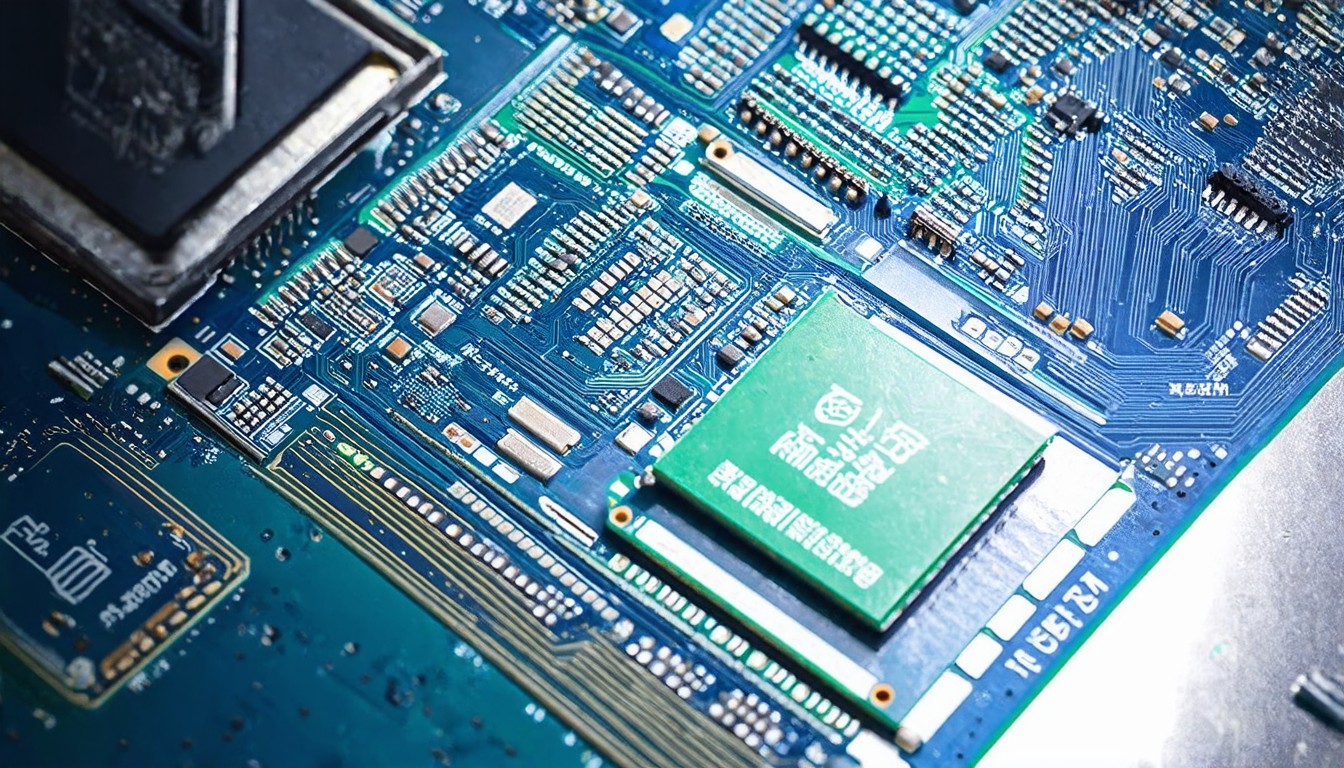
China's recent efforts to undermine Taiwan's semiconductor industry have raised concerns in Taipei, as the island nation struggles to maintain its technological edge amid global efforts to contain China's growing influence. The move comes as Taiwan faces ongoing Chinese military pressure, which has intensified in recent years.
The semiconductor industry is a cornerstone of Taiwan's economy, accounting for over 30% of its exports. Taiwan Semiconductor Manufacturing Company (TSMC), the world's largest chipmaker, has been a critical player in the global technology landscape. However, China's ambitions to reduce Taiwan's technological prowess are seen as part of a broader strategy to weaken its international standing and assert dominance in key industries.
China has been accused of using a range of tactics to target Taiwan's chip industry, including cyberattacks, espionage, and economic pressure. In recent years, Chinese authorities have cracked down on companies that engage in business with Taiwan, threatening to impose tariffs and restricting access to their market. These actions have forced many multinational companies to reassess their supply chains and consider alternative suppliers, potentially undermining Taiwan's position as a global leader in semiconductor manufacturing.
Taiwan's government has responded to these challenges by investing heavily in research and development, as well as strengthening its cybersecurity measures. The government has also sought to diversify its export markets, particularly in Southeast Asia and the Middle East, to reduce its reliance on traditional partners such as the United States.
Despite these efforts, the pressure on Taiwan's chip industry remains significant. The ongoing Chinese military buildup in the Taiwan Strait has created an environment of uncertainty, with Taipei concerned about the potential for a full-scale invasion. This has led to increased defense spending and a focus on developing domestic capabilities to reduce dependence on foreign technology.
The situation in Taiwan is part of a larger geopolitical struggle between China and the West. As global tensions rise over issues such as trade, human rights, and territorial disputes, the semiconductor industry has become a focal point of competition. The United States and its allies have been pushing for a global coalition to curb China's technological advancements, a move that Beijing views as an attempt to stifle its economic growth.
In response to these challenges, Taiwan has become a key ally for the United States in its efforts to counterbalance China's influence. The U.S. has pledged to support Taiwan's semiconductor industry, investing in joint research projects and providing financial assistance to bolster its technological capabilities. This partnership is seen as crucial in maintaining the global supply chain for advanced technologies, which are essential for industries ranging from automobiles to renewable energy.
However, the situation remains precarious. China's aggressive tactics to undermine Taiwan's chip industry are part of a broader strategy to isolate the island nation and weaken its international alliances. As global tensions escalate, the future of Taiwan's semiconductor industry—and by extension, its economic and technological independence—hangs in the balance. The challenges faced by Taiwan serve as a stark reminder of the complex interplay between geopolitics, technology, and global supply chains in an increasingly interconnected world.








