
China says US, Israeli attacks on Iran the ‘root cause’ of Hormuz strait blockage
China said on Thursday that US and Israeli strikes on Iran were the “root cause” of the Strait of Hormuz blockage, after US President Donald Trump called on affected countries to seize the key waterway. Trump said countries that receive oil through the Hormuz strait should “take care of that passage”, which has been effectively […]
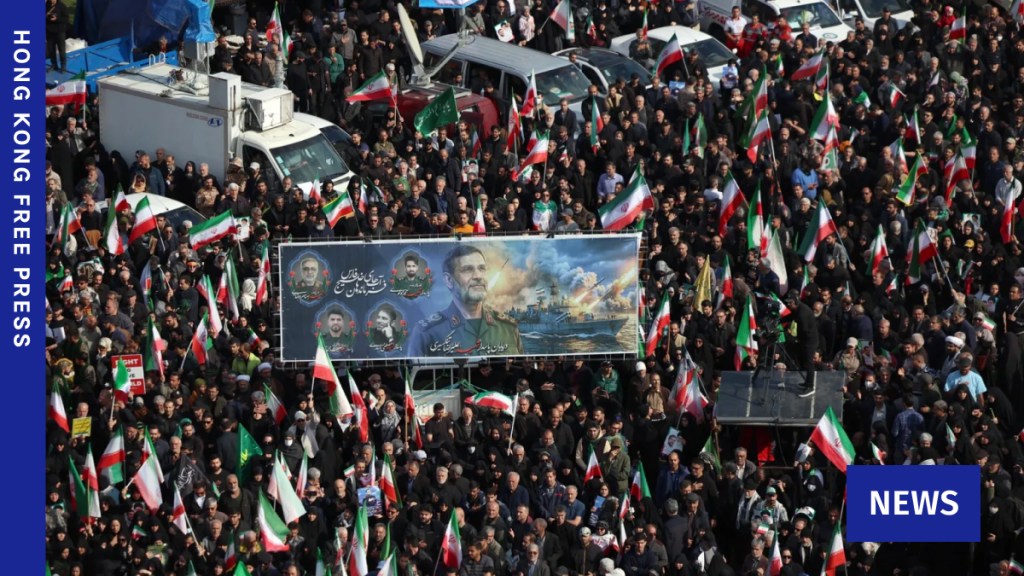
China has accused the United States and Israel of being the "root cause" of the Strait of Hormuz blockage, following a recent call by US President Donald Trump for affected countries to seize the critical waterway. Trump's remarks came as the strait has been effectively closed by Iran in retaliation for the US-Israeli strikes on Iranian targets. The Chinese foreign ministry blamed the US and Israel for their military operations against Iran, which have led to disruptions in navigation through the strategic waterway.
The Strait of Hormuz, a narrow passage between the Persian Gulf and the Gulf of Oman, is a vital chokepoint for global oil supplies, with about 30% of the world's oil passing through it. The blockage has caused global oil prices to surge by 40 to 50 percent, affecting economies worldwide. China, a major importer of oil through the strait, has expressed concern over the situation and has called for de-escalation.
In a news conference, Chinese foreign ministry spokeswoman Mao Ning stated that "the root cause of interruptions to navigation through the Strait of Hormuz is the United States and Israel's illegal military operations against Iran." Mao emphasized that military means cannot fundamentally solve the problem and that escalating conflicts is not in the interests of either side.
The US-Israeli strikes on Iran, which targeted military installations and infrastructure, have been met with strong retaliation from Tehran. Iran has threatened to close the Strait of Hormuz entirely if the attacks continue, which could have catastrophic consequences for global energy markets.
Meanwhile, Trump has sought to reassure the public that the conflict is nearing an end, but he has also warned of further heavy strikes against Iran. In a televised address, Trump stated that there would be "another two to three weeks" of intense bombardment, aiming to "bring Iran back to the Stone Ages." If no agreement with Tehran is reached, Trump has hinted at targeting key infrastructure, such as Iran's electricity generating plants.
China's position on the issue is driven by its significant dependence on Iranian oil. The country is the main buyer of Iranian crude, with most of the oil transported through the Strait of Hormuz. The effective closure of the waterway has put pressure on China's energy supply and contributed to the global price surge.
As tensions between the US, Israel, and Iran escalate, China's call for de-escalation highlights the potential global repercussions of the conflict. The Strait of Hormuz blockage serves as a stark reminder of the interconnectedness of global economies and the need for diplomatic solutions to avoid further destabilization.
In response to Trump's threats, Mao Ning reiterated China's stance that military action is not a viable long-term solution. The Chinese government has consistently urged both sides to engage in dialogue and find a peaceful resolution to the crisis. As the situation in the Strait of Hormuz remains uncertain, China's position underscores the importance of international cooperation in addressing the complex geopolitical challenges posed by the ongoing conflict.
The situation in the Strait of Hormuz has become a focal point for global attention, with countries scrambling to secure alternative energy routes and mitigate the impact of the blockage. The US, Europe, and other major oil-consuming nations are under pressure to find alternatives to the strait, but this is a complex and time-sensitive issue.
As the conflict between the US, Israel, and Iran continues to escalate, the Strait of Hormuz blockage serves as a stark reminder of the potential consequences of unchecked aggression. China's accusation that the US and Israel are the "root cause" of the crisis highlights the need for a collective international response to prevent further destabilization in the region.
In the face of rising oil prices and economic uncertainty, China's call for de-escalation is a critical voice in the ongoing geopolitical standoff. The country's significant stake in the stability of the Strait of Hormuz and its global oil markets makes its position a watchful one for the international community.
As tensions persist, the future of the Strait of Hormuz and the broader Middle East remains uncertain. The situation serves as a cautionary tale about the risks of unchecked military action and the need for diplomatic engagement to address complex geopolitical challenges. China's stance on the issue underscores the importance of international cooperation in maintaining global stability and ensuring the security of vital energy routes.








