China Rejects Indian Chilli Over Pesticide Residue
China has rejected Indian chilli consignments due to excessive levels of methamidophos, an organophosphate pesticide not approved for use in India. The incident underscores gaps in pesticide surveillance and residue testing, raising food safety and trade concerns.
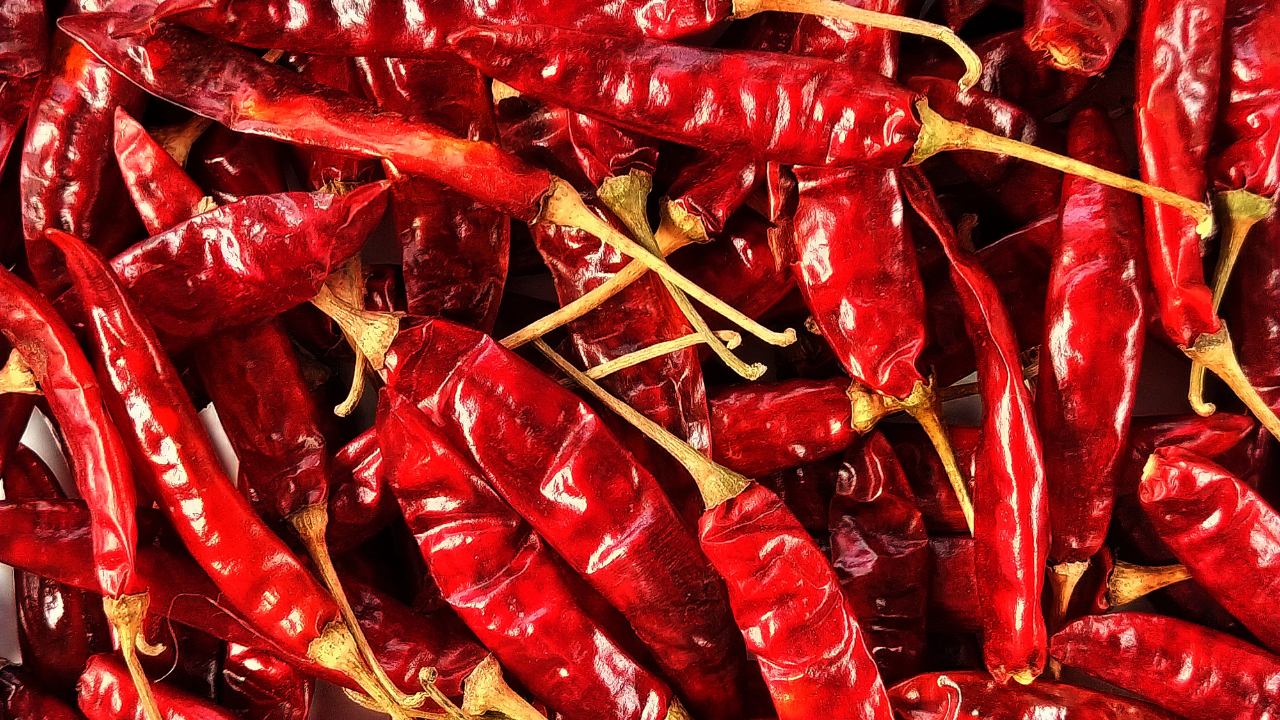
China has rejected multiple consignments of Indian chilli after detecting excessive levels of methamidophos, an organophosphate pesticide that is not approved for agricultural use in India. The move has triggered fresh scrutiny of India's pesticide monitoring systems and raised questions about food safety standards in the country's spice export sector. The rejections, confirmed by trade and regulatory sources, come amid heightened global attention on pesticide residues in food products. Methamidophos is a potent neurotoxin that can disrupt the human nervous system even at low levels of exposure.
Its presence in food intended for export has alarmed both health officials and trade analysts. Methamidophos belongs to a class of chemicals known as organophosphates, which were originally developed as nerve agents. In agricultural settings, it is used to control insects on crops, but its toxicity has led to strict bans or severe restrictions in many countries. India's own regulatory framework does not permit its use on crops meant for human consumption, yet the chemical has been found in samples of chilli bound for China.
The incident highlights a persistent challenge in India's agricultural supply chain: the gap between official pesticide approvals and actual on-farm practices. While regulators have banned or restricted certain chemicals, enforcement at the farm level remains uneven. Smallholder farmers, who produce a significant portion of India's spices, often rely on locally available pesticides without full knowledge of their legal status or health risks. For consumers, the health implications of methamidophos exposure are serious.
Acute poisoning can cause symptoms ranging from headaches and dizziness to seizures and respiratory failure. Chronic exposure, even at low doses, has been linked to neurological damage, developmental issues in children, and increased risk of certain cancers. The chemical works by inhibiting acetylcholinesterase, an enzyme essential for proper nerve function, leading to an accumulation of acetylcholine and overstimulation of the nervous system. The rejection of Indian chilli by China is not an isolated event.
In recent years, several countries have tightened their residue limits for pesticides, and Indian spice exports have faced increased scrutiny. The European Union, for example, has repeatedly flagged high levels of pesticide residues in Indian spices, leading to border rejections and heightened testing requirements. Trade experts say the latest development could have broader implications for India's agricultural export competitiveness. China is a major market for Indian spices, and any sustained disruption could affect prices and farmer incomes.
The incident also risks damaging the reputation of Indian chilli, which is prized globally for its color and pungency. Regulatory authorities in India have yet to issue a detailed public statement on the rejections. However, the incident is expected to accelerate calls for stronger pesticide surveillance and more rigorous residue testing protocols. Exporters may face additional compliance costs as they seek to meet international standards. Food safety advocates argue that the problem is systemic.
Without robust testing infrastructure at the farm gate and better training for farmers on approved pesticide use, similar incidents are likely to recur. The chilli rejection serves as a reminder that food safety is not just a domestic concern but a critical factor in international trade. For now, the immediate impact falls on Indian chilli exporters, who must now ensure that their supply chains are free of methamidophos and other banned substances.
The broader lesson, however, extends to the entire agricultural sector: compliance with global food safety standards is no longer optional but a prerequisite for market access.