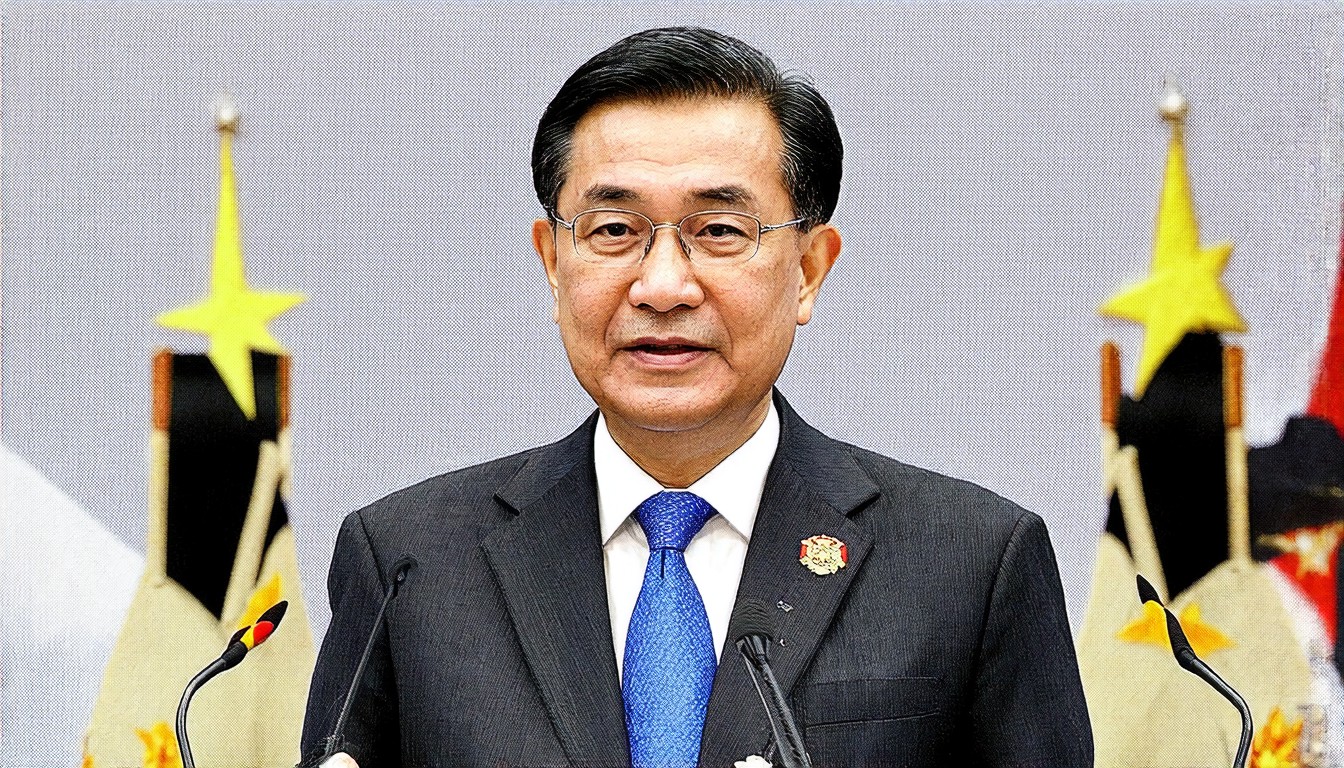
China ready to cooperate with Russia to ease Middle East tension, foreign minister says
China will continue cooperating with Russia in the UN Security Council and making efforts to de-escalate the war, says Mr Wang Yi.
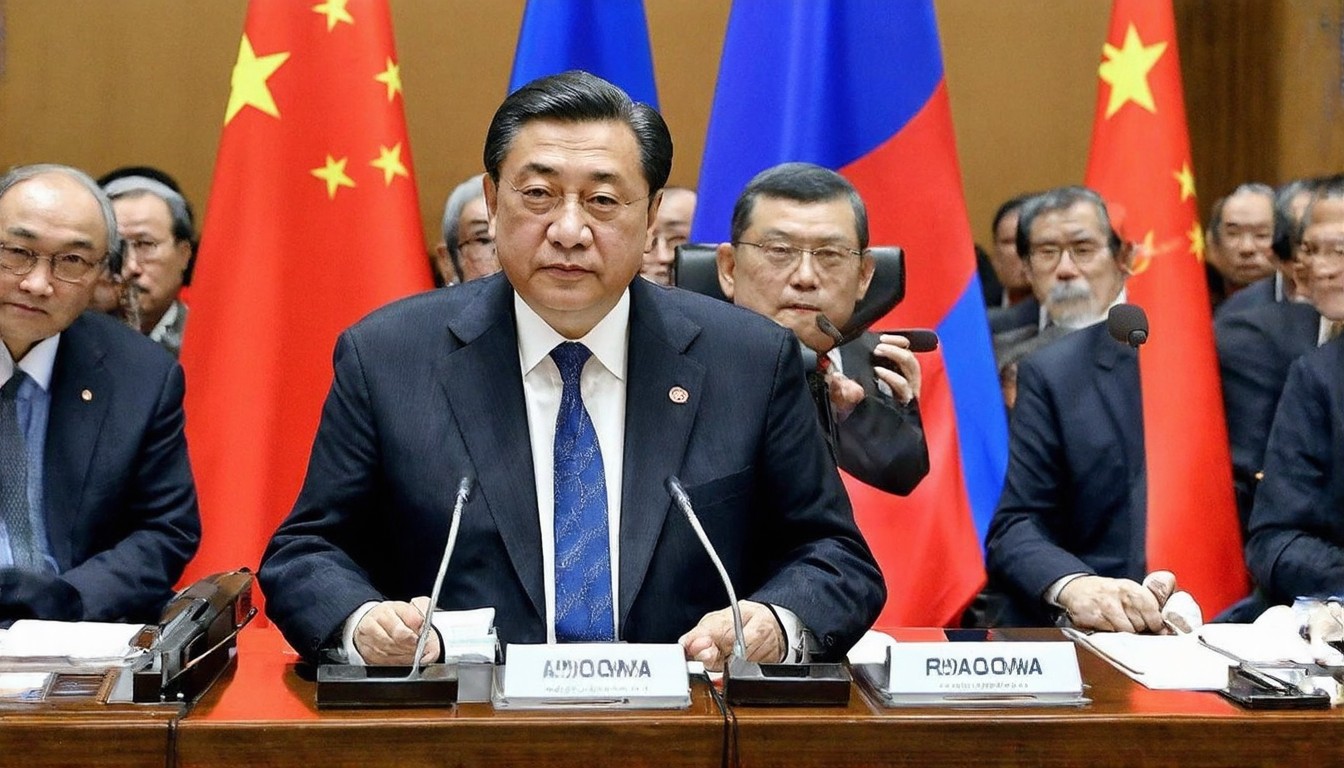
China's Foreign Minister Wang Yi has stated that the country is prepared to collaborate with Russia to alleviate tensions in the Middle East. This announcement comes as both nations continue to navigate their roles in the United Nations Security Council, where they hold veto power. Wang Yi's remarks highlight the ongoing diplomatic efforts by China to mediate and de-escalate the ongoing conflict, which has significant implications for global stability.
In a recent statement, Wang Yi emphasized the importance of international cooperation and dialogue to address the complex challenges facing the Middle East. He reiterated China's commitment to peace and stability in the region, a stance that has been consistent since the onset of the conflict. This cooperation with Russia, a key player in the region, underscores China's strategic approach to diplomacy, aiming to leverage its influence to promote a peaceful resolution.
The collaboration between China and Russia in the UN Security Council has been a focal point of their diplomatic relationship. Both nations have often aligned their positions on various international issues, including the Middle East conflict. This alignment has been particularly evident in their joint efforts to prevent further escalation and promote dialogue between conflicting parties. Wang Yi's statement reflects this strategic partnership, as both countries work together to mitigate the impact of the conflict on global security.
China's role in the Middle East has been multifaceted, with the country serving as a mediator in several regional disputes. The current conflict has presented a unique challenge, requiring a delicate balance of diplomatic engagement and strategic maneuvering. By cooperating with Russia, China aims to leverage its influence to encourage a cessation of hostilities and facilitate negotiations that could lead to a sustainable peace.
Wang Yi's statement also highlights China's broader foreign policy objectives. By engaging in diplomatic efforts to de-escalate the conflict, China seeks to enhance its global standing and demonstrate its commitment to peace and stability. This approach aligns with China's long-term vision of becoming a responsible stakeholder in international affairs, capable of addressing global challenges through dialogue and cooperation.
The Middle East's instability has significant implications for global security, with spillover effects impacting various regions. China's willingness to cooperate with Russia in this context reflects its understanding of the interconnected nature of global issues. By working together, both nations aim to address the root causes of the conflict and promote a lasting peace that benefits all parties involved.
In conclusion, China's Foreign Minister Wang Yi's statement underscores the country's determination to collaborate with Russia in the UN Security Council to de-escalate the ongoing conflict in the Middle East. This cooperation reflects a strategic approach to diplomacy, aimed at promoting peace and stability in the region. As the conflict continues to shape global dynamics, China's role in facilitating dialogue and reducing tensions is crucial. By working alongside Russia, China seeks to demonstrate its commitment to international peace and its growing influence in global affairs.