
China Mourned an Education Influencer. The Grief Was a Quiet Revolt.
Zhang Xuefeng helped people navigate the country’s unforgiving higher education system. The public outpouring after his death was a quiet rebuke to the punishing process.
China Mourned an Education Influencer. The Grief Was a Quiet Revolt.
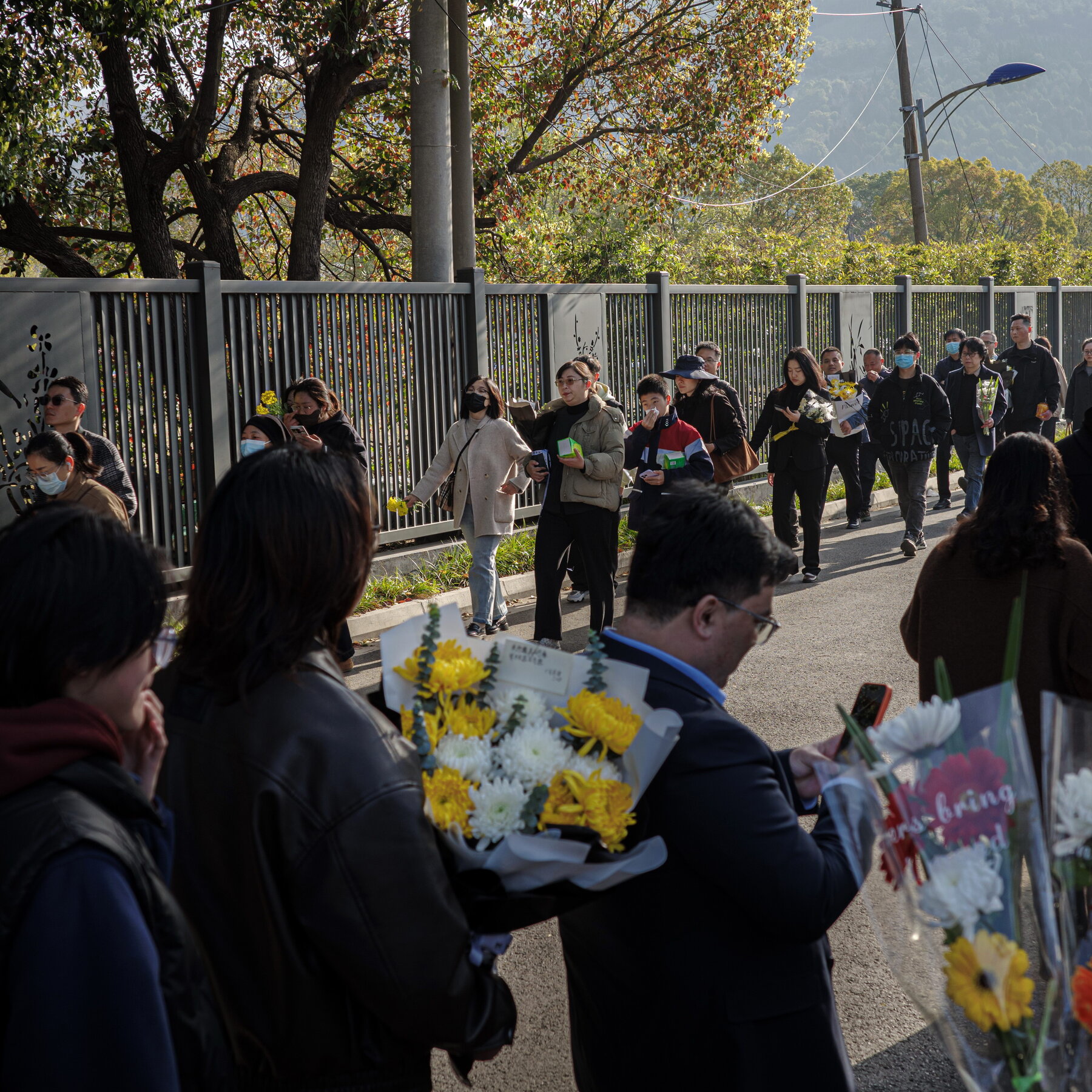
In the bustling city of Suzhou, China, a somber line of mourners snaked through the streets, their faces etched with sorrow as they paid their final respects to Zhang Xuefeng, a prominent education influencer who passed away on March 24. Zhang's death sparked a nationwide outpouring of grief, revealing a quiet dissatisfaction with the country's rigorous and unforgiving higher education system.
Zhang Xuefeng, a well-known figure in the Chinese educational landscape, had become a beacon of hope for countless students and parents navigating the complexities of China's competitive college admissions process. His YouTube channel and social media platforms were filled with tutorials, advice, and encouragement, offering guidance to those struggling under the weight of the Gaokao, the nation's infamous college entrance examination.
The Gaokao, which tests students' knowledge in a range of subjects, has long been a source of immense pressure and anxiety. It is widely regarded as the gatekeeper to a better future, with top scores often determining a student's path to prestigious universities and lucrative careers. However, the intense focus on academic performance and the high stakes of the exam have led to widespread criticism and concern over the mental and physical toll it imposes on students.
Zhang's death came as a shock to his millions of followers, who had relied on his expertise and support. His passing prompted a wave of reflections on the system he had dedicated his life to helping others navigate. Social media was ablaze with tributes and memories, as people shared stories of how Zhang had helped them through the challenges of the education system.
The public mourning extended beyond the online sphere, as people gathered in Suzhou to pay their respects in person. The line of mourners stretched for miles, a testament to the influence Zhang had wielded and the profound impact he had on the lives of so many. This quiet, collective grief became a powerful statement, a rebuke to the punishing process that had claimed another victim.
The outpouring of grief also highlighted the broader issues plaguing China's education system. Critics argue that the relentless pressure to perform and the excessive focus on exams have stifled creativity and innovation, reducing education to a mere numbers game. The death of Zhang Xuefeng served as a stark reminder of the human cost of this system, prompting many to question whether the current approach is sustainable or beneficial.
In the wake of Zhang's death, there have been calls for reform and a reevaluation of China's educational priorities. Some have suggested shifting the focus from high-stakes testing to a more holistic approach that values well-rounded development and personal growth. Others have urged policymakers to address the mental health challenges faced by students and the pressure they endure, advocating for a more compassionate and supportive system.
Zhang Xuefeng's legacy, therefore, extends beyond his role as an education influencer. His death has sparked a conversation about the state of China's education system and the human toll it takes. As the nation mourns, it is also confronting the need for change and reflection, seeking a path forward that values both academic achievement and the well-being of its students.
In the end, Zhang Xuefeng's story is a poignant reminder of the power of education and the responsibility that comes with it. His death has left a void in the lives of many, but it has also ignited a quiet revolution, challenging the status quo and inspiring a call for a more humane and equitable educational system.









