
China issues e-commerce guidance after EU lawmakers press country on unsafe products
EU lawmakers had pressed China about a surge of dangerous products that entered the bloc.
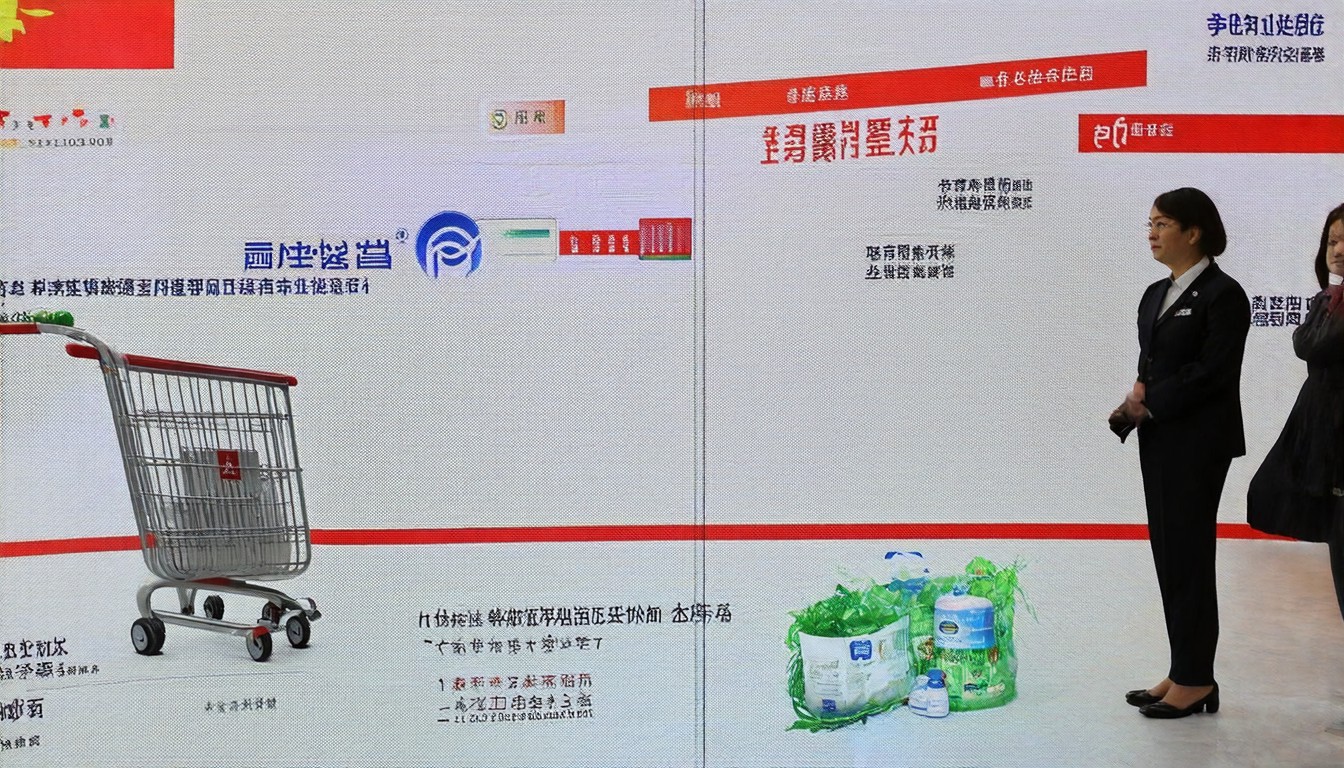
In response to mounting concerns from the European Union (EU) about the influx of unsafe products entering the bloc, China has issued new e-commerce guidance aimed at improving product safety and consumer protection. EU lawmakers have been vocal in their criticism of China, highlighting a surge in hazardous goods that have reached European markets, raising serious questions about the effectiveness of existing regulatory measures.
The EU's concerns stem from a series of reports detailing the importation of products such as toys, electrical devices, and personal care items that pose significant risks to consumers' health and safety. These products, often originating from China, have been found to contain harmful substances, lack necessary safety certifications, or fail to meet basic safety standards. The EU has called for stricter enforcement of product safety regulations by China, particularly in the context of e-commerce, where the rapid growth of online transactions has made it more challenging to monitor and regulate the flow of goods.
In response to these pressures, China has announced a comprehensive set of guidelines for e-commerce platforms and manufacturers to ensure that products entering the EU meet stringent safety standards. These guidelines include enhanced monitoring and verification processes for products, requiring e-commerce platforms to implement robust systems for tracking and authenticating product origins. Additionally, China has pledged to increase inspections and audits of manufacturers, particularly those specializing in high-risk product categories, to identify and address potential safety issues before goods are exported.
The new e-commerce guidance also emphasizes the importance of transparency and cooperation between China and the EU. Both parties have agreed to establish a joint working group to facilitate regular communication and collaboration on product safety issues. This initiative aims to create a more effective framework for addressing concerns and preventing the entry of unsafe products into the EU market.
However, skepticism about the effectiveness of these measures persists among EU lawmakers. Critics argue that China's existing regulatory infrastructure may not be robust enough to ensure compliance with the new guidelines, particularly given the vast scale of its manufacturing sector and the complexity of its e-commerce landscape. They also point out that the lack of transparency in China's regulatory processes can make it difficult for the EU to verify the authenticity of safety certifications and inspections.
Despite these concerns, both China and the EU have expressed a commitment to working together to resolve the issue. The EU has indicated that it will closely monitor the implementation of China's new e-commerce guidelines and is prepared to take further action, including imposing import restrictions on high-risk products, if necessary. China, for its part, has pledged to strengthen its regulatory capabilities and invest in technology and infrastructure to improve product safety and traceability.
The recent developments highlight the complex challenges faced by global trade in ensuring product safety and consumer protection. As e-commerce continues to grow and become an increasingly important avenue for international trade, both China and the EU must demonstrate a genuine commitment to addressing these issues and collaborating to create a safer marketplace for consumers worldwide. The success of these efforts will not only depend on the implementation of new guidelines but also on the ongoing dialogue and cooperation between the two major economic powers.
In conclusion, China's response to EU lawmakers' concerns about unsafe products entering the bloc represents a significant effort to improve e-commerce safety standards and consumer protection. While the effectiveness of these measures remains uncertain, the establishment of a joint working group and increased regulatory scrutiny signal a willingness to address the issue head-on. As both parties continue to navigate the complexities of global trade and product safety, the outcome of these efforts will have far-reaching implications for consumers, businesses, and the global economy as a whole.








