
China debates whether Trump is a revolutionary, or just rude
Its experts cannot decide whether the second Trump presidency is a threat or an opportunity
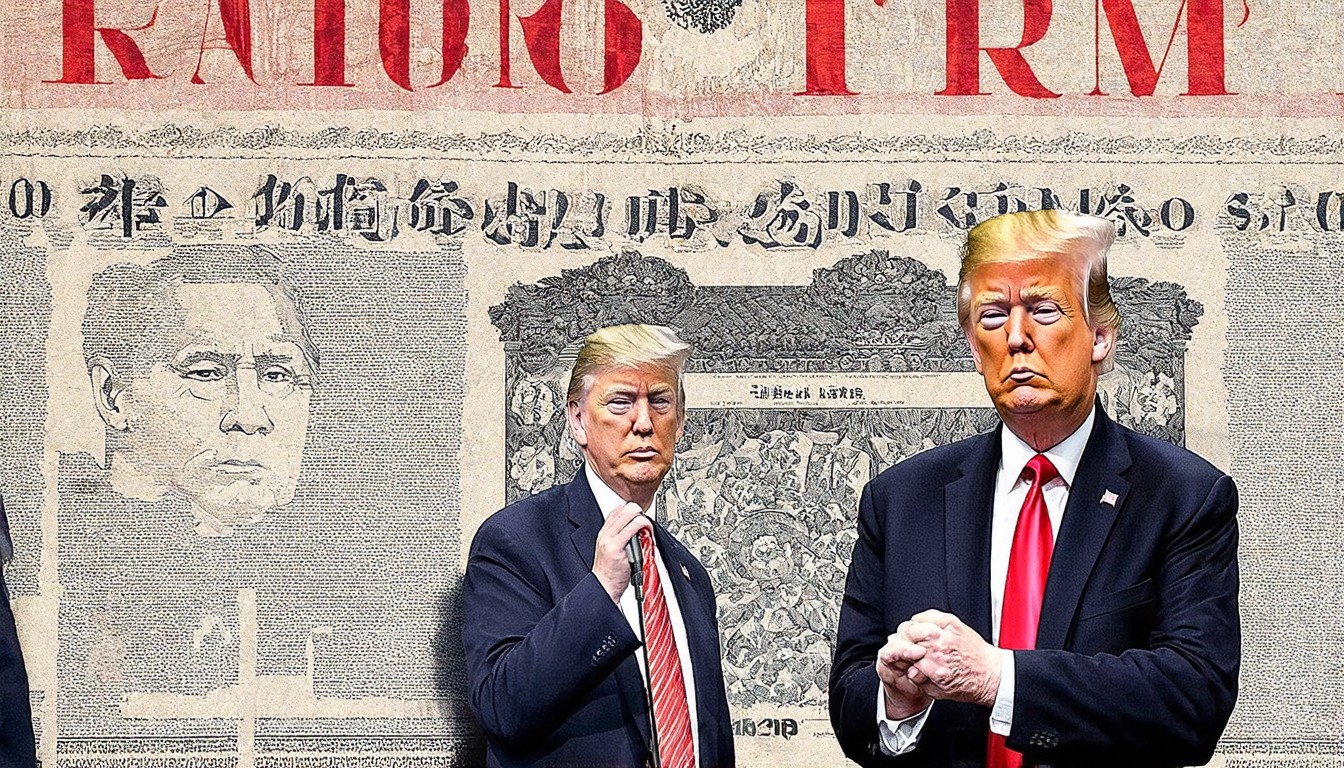
In recent weeks, China has been grappling with a complex question: is the second term of Donald Trump's presidency a revolutionary force that could reshape global dynamics, or is it simply a continuation of his notorious rudeness? As the world watches the United States prepare for another four years under Trump's leadership, Chinese analysts and policymakers are divided in their assessments. Some view Trump's return as a potential game-changer, while others dismiss it as a predictable extension of his previous policies.
The debate stems from Trump's unconventional approach to international relations, which has often been characterized by blunt rhetoric and unpredictable actions. During his first term, Trump's administration implemented a series of policies that challenged the status quo, such as imposing tariffs on China, pulling out of the Paris Agreement, and prioritizing nationalistic economic strategies. These moves have left many wondering whether Trump's second term will bring about significant changes or merely reinforce existing tensions.
Proponents of the "revolutionary" view argue that Trump's re-election signals a broader shift in American values and priorities. They point to the growing influence of populist movements across the globe, which have been fueled by discontent with traditional political structures and a desire for change. In this context, Trump's victory is seen as a reflection of a deeper cultural and political transformation, one that could have far-reaching implications for global affairs.
For instance, some Chinese experts believe that Trump's second term could lead to a more assertive U.S. stance on issues such as technology, trade, and security. They speculate that the administration might intensify its efforts to curb China's technological advancements, further escalate the trade war, and increase military presence in the Indo-Pacific region. Such developments could force China to reevaluate its strategic posture and adapt to a more competitive international environment.
On the other hand, critics of the revolutionary narrative argue that Trump's second term is unlikely to bring about significant changes. They contend that the president's policies are driven by his personal preferences and political calculations rather than a coherent vision for the future. These skeptics believe that Trump's re-election will result in a continuation of his previous approach, characterized by inconsistency and unpredictability.
Moreover, some Chinese analysts argue that the Trump administration's impact has already been felt, and further escalation may not yield the desired outcomes. They point to the challenges faced by the U.S. in implementing its trade policies and the mixed results of its attempts to isolate China on the global stage. In this view, Trump's second term may not represent a revolutionary shift but rather a continuation of a pattern that has already proven to be ineffective.
Despite these differing perspectives, one thing is clear: China's approach to the Trump administration will remain a delicate balancing act. The country's leaders must navigate the uncertainties posed by Trump's re-election while also capitalizing on potential opportunities. This requires a nuanced understanding of the complex dynamics at play and a strategic ability to adapt to changing circumstances.
In the coming months and years, China will likely continue to monitor the Trump administration closely, seeking to discern whether it presents a genuine threat or a manageable challenge. As the world watches with bated breath, the outcome of this debate will undoubtedly shape the trajectory of global politics in the years to come.









