China cuts cost of military-grade infrared chips to as little as a few dozen USD
A research team at a Chinese university has developed a new way to make high-end infrared chips that could slash their cost dramatically and improve the performance of smartphone cameras and self-driving cars. The key breakthrough was finding a way to make the chips using conventional manufacturing techniques, rather than the exotic, costly materials that were relied on before. Mass production is set to begin by the end of the year, according to a press release from Xidian University. The chips...
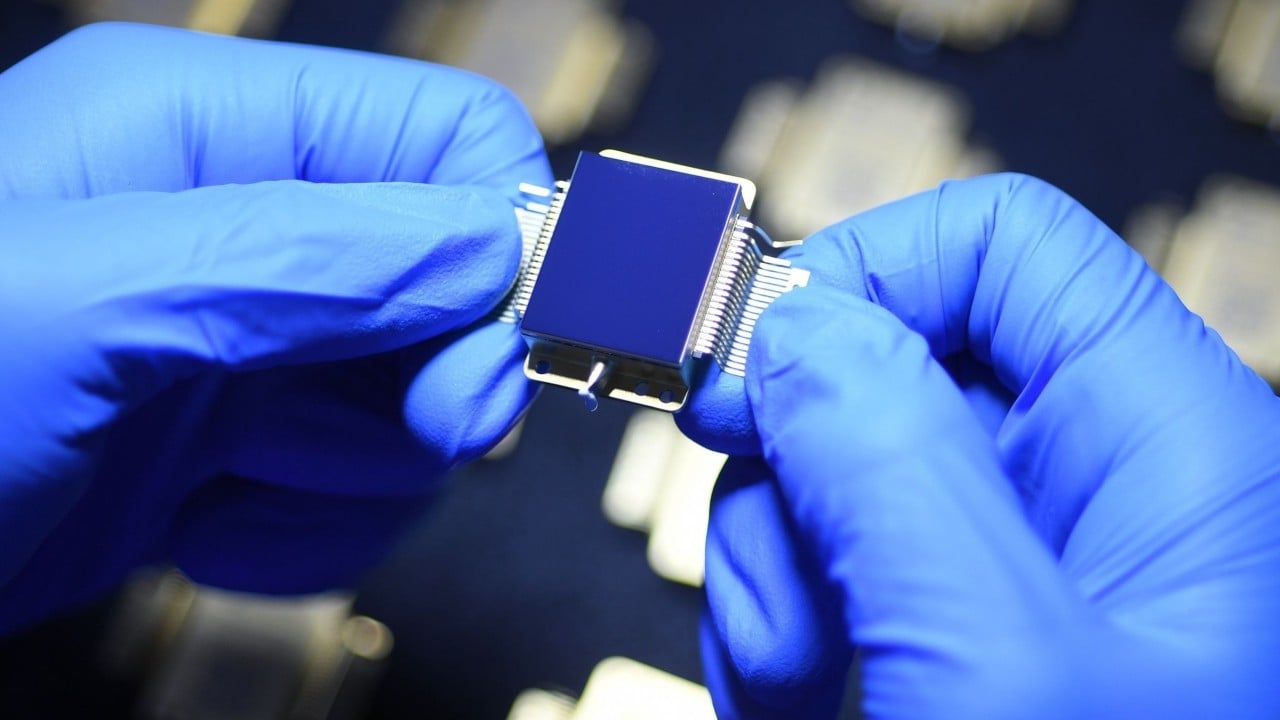
China's breakthrough in military-grade infrared chip technology has the potential to revolutionize the global market for smartphone cameras and self-driving cars. A research team at Xidian University has developed a novel method for producing high-end infrared chips, which could significantly reduce their cost and enhance their performance. This groundbreaking discovery is set to transform industries reliant on advanced imaging and sensing technologies.
The key innovation lies in the development of a new manufacturing process that utilizes conventional techniques, as opposed to the previously required exotic and expensive materials. By leveraging these standard methods, the cost of military-grade infrared chips can now be reduced to as little as a few dozen dollars per unit. This dramatic cost reduction is expected to make such chips more accessible and affordable for a wider range of applications beyond just military use.
The team's research, published in a recent press release from Xidian University, highlights the potential benefits of this technological advancement. Infrared chips are critical components in various applications, including smartphone cameras that enable low-light photography, thermal imaging systems, and self-driving car sensors that detect obstacles and other vehicles. The improved performance and reduced cost of these chips could lead to significant advancements in these fields.
The transition to conventional manufacturing techniques was made possible by a deep understanding of the material properties required for infrared chip production. Previously, the production of high-quality infrared chips relied heavily on rare and costly materials, such as tellurium and antimony, which were often sourced from limited geographical locations. This made the production process both expensive and vulnerable to supply chain disruptions.
The new method developed by the Xidian University team allows for the use of more readily available materials and standard manufacturing equipment. This not only reduces the cost but also increases the scalability and efficiency of the production process. The university has already initiated the necessary steps to prepare for mass production, with plans to begin manufacturing by the end of the year.
The implications of this breakthrough are far-reaching. By making military-grade infrared chips more affordable, the technology could be more readily integrated into consumer electronics and automotive systems. This could lead to significant improvements in the performance of smartphone cameras, enabling them to capture higher quality images in low-light conditions. For self-driving cars, the enhanced sensing capabilities of these chips could improve safety and reliability on the road.
Moreover, the reduced cost of infrared chips could stimulate innovation in other industries, such as healthcare and security, where infrared technology is increasingly being used for diagnostic purposes and surveillance. The availability of more affordable and advanced infrared chips could accelerate the adoption of these technologies worldwide.
While the development of this new manufacturing process is a significant achievement for China, it also underscores the country's growing role in driving technological advancements. Xidian University, a leading institution in the field of electronics and telecommunications, has played a pivotal role in this breakthrough. The university's commitment to research and innovation has positioned it at the forefront of technological progress.
The transition to conventional manufacturing techniques also has implications for global supply chains. By reducing reliance on rare materials and enabling the use of standard manufacturing processes, the production of infrared chips can become more decentralized. This could help mitigate the risks associated with supply chain disruptions and geopolitical tensions, as production can be more easily diversified across multiple regions.
In conclusion, the groundbreaking development by the research team at Xidian University has the potential to reshape the global market for infrared chips. By making these advanced technologies more affordable and accessible, the innovation could drive significant advancements in industries ranging from consumer electronics to autonomous vehicles. As mass production begins, the impact of this breakthrough will likely be felt across a wide range of applications, further solidifying China's position as a leader in technological innovation.