China Built the World’s Drone Industry. Now It’s Locking Down the Skies.
The Chinese government tightened rules to curb what it described as illegal drone use, but some users say the changes are now restricting too many flights.
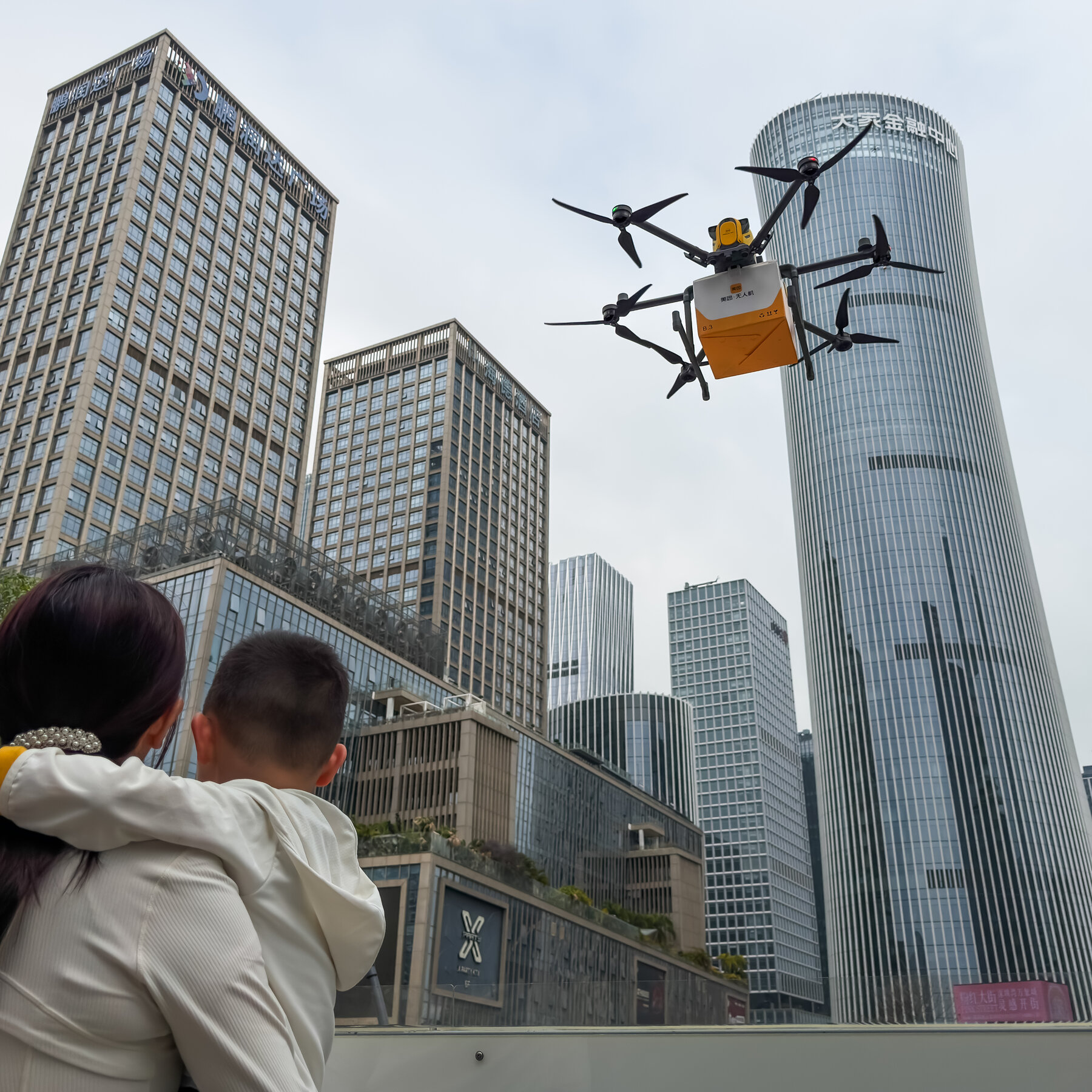
China, a global leader in the drone industry, has recently imposed stricter regulations on the use of recreational and civilian drones, sparking debates among users and experts about the balance between safety and innovation. The move comes as the country, which has been at the forefront of drone technology, seeks to curb what it describes as illegal and unsafe drone operations. However, some users argue that the new rules are overly restrictive, stifling the growth of the drone sector that China itself has helped build.
The Chinese government's decision to tighten drone regulations follows years of rapid development in the drone market, particularly in urban areas. As the world's largest drone manufacturer, China has been instrumental in shaping the industry, with companies like DJI, the world's biggest drone maker, headquartered in the country. This has led to a surge in drone usage across various sectors, including delivery services, agriculture, and recreation. However, with the rise in popularity, concerns about safety and unauthorized drone activities have grown, prompting the government to act.
The recent regulations, which took effect in early 2023, require drone operators to obtain permits and pass exams to fly recreational drones, while imposing stricter rules on the altitude and distance from populated areas. These measures are intended to prevent accidents and maintain public order, as drone mishaps have become increasingly common in recent years. In October 2022, a delivery drone crash in Shenzhen, a tech hub in southern China, underscored the risks associated with drone operations in densely populated areas.
Despite the government's efforts to ensure safety, some drone enthusiasts and businesses are voicing concerns about the impact of the new rules. Many argue that the restrictions are too broad and hinder the innovation and growth of the drone industry, which has become a significant contributor to China's economy. Small businesses and hobbyists, in particular, are facing challenges in navigating the complex regulatory framework, leading to a decline in the number of drone flights and a slowdown in the industry's expansion.
Critics of the regulations point out that the restrictions may also deter foreign investment in the Chinese drone market. As the world's largest drone manufacturer, China has been a key player in the global market, with its technological advancements and scale driving innovation. However, if the regulatory environment becomes too restrictive, it could push companies to look for more flexible alternatives in other countries, potentially jeopardizing China's position as a leader in the drone industry.
On the other hand, proponents of the new regulations argue that the government's actions are necessary to address the growing safety concerns and prevent accidents that could endanger lives. They highlight that the drone industry's rapid expansion has outpaced the development of proper safety measures, leading to a lack of standardization and oversight. By imposing stricter rules, the Chinese government aims to create a more controlled environment that prioritizes public safety while still allowing for responsible drone use.
As the debate continues, it remains to be seen how the new regulations will shape the future of the drone industry in China. While the government's intent is to ensure safety and order, the challenge lies in striking a balance that encourages innovation without compromising public security. The outcome will likely have implications not only for China but also for the global drone market, as the country's regulatory decisions can set a precedent for other nations navigating the complexities of drone technology.
In conclusion, China's decision to tighten drone regulations highlights the tensions between safety and innovation in an industry that it has played a pivotal role in shaping. While the move aims to curb illegal and unsafe drone operations, it also risks stifling the growth of a sector that has become integral to the country's economy. As the debate unfolds, the key question is whether the government can find a middle ground that ensures public safety without overly restricting the potential of drone technology to transform various industries and daily life.