China Built the World’s Drone Industry. Now It’s Locking Down the Skies.
The Chinese government tightened rules to curb what it described as illegal drone use, but some users say the changes are now restricting too many flights.
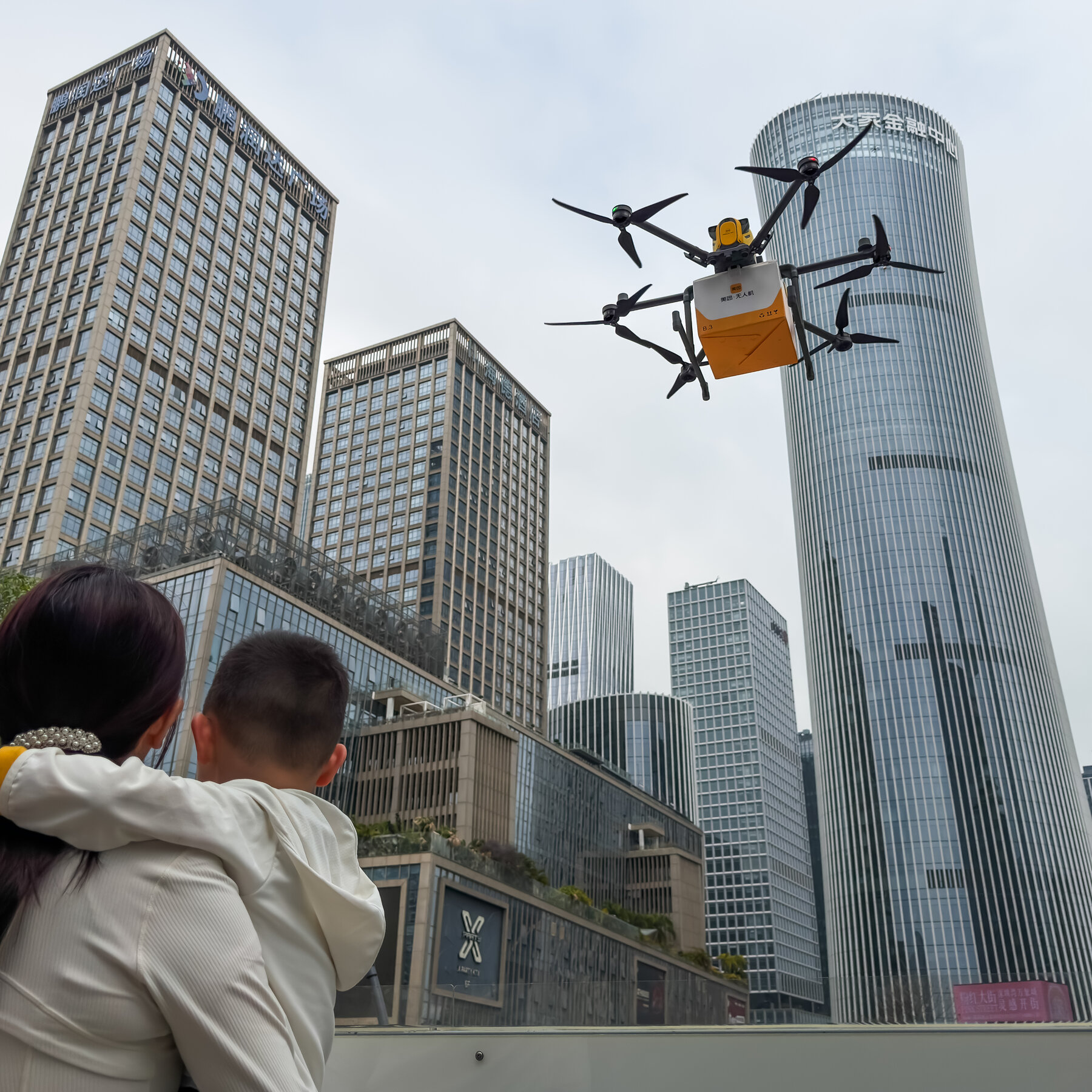
China Built the World’s Drone Industry. Now It’s Locking Down the Skies.
In recent years, China has emerged as the global leader in the drone industry, a sector that has grown exponentially due to advancements in technology and increasing demand for applications ranging from agriculture to urban delivery services. However, as the country's drone technology has soared, so too has its control over the skies. The Chinese government has recently tightened regulations on the use of drones, citing concerns over illegal activities and safety, but many users and industry experts argue that these new restrictions are overly broad and are stifling innovation and creativity.
The drone industry in China began to take off in the early 2010s, with the government investing heavily in research and development to position the country as a global powerhouse in this emerging field. Chinese companies like DJI, the world's largest drone manufacturer, have dominated the market, exporting millions of drones worldwide. This success has not only boosted China's technological prowess but also created a significant economic opportunity, with the drone market in the country projected to reach $15 billion by 2025.
Despite these advancements, the Chinese government has become increasingly concerned about the potential misuse of drones. In recent years, there have been reports of drones being used for illegal activities such as smuggling, espionage, and even criminal activities like drug deliveries. In response, the government has implemented stricter regulations, requiring drone operators to obtain licenses, limiting flight altitudes, and imposing restrictions on flight times.
One of the most significant changes has been the introduction of a national drone management system, which requires all drone operators to register their devices and undergo training. This system aims to ensure that drone use is controlled and monitored, but many users and industry professionals argue that it is overly bureaucratic and hinders the growth of the drone sector. Critics contend that the regulations are not only stifling innovation but also creating an uneven playing field, as smaller companies struggle to comply with the stringent requirements.
The restrictions have also led to a decline in recreational drone use, with many enthusiasts reporting that they are unable to fly their drones for leisure purposes. This has sparked debates about the balance between safety and freedom, as the government argues that these measures are necessary to protect public safety and national security. However, proponents of drone use counter that the benefits of drones in areas such as agriculture, disaster management, and urban planning outweigh the risks, and that the regulations are disproportionately impacting legitimate users.
The tightening of drone regulations in China is not without precedent. Other countries, such as the United States and the European Union, have also implemented strict rules to regulate drone use, but many argue that China's approach is more extreme. In the US, for example, the Federal Aviation Administration (FAA) has established guidelines for drone use, but it has been more flexible in allowing recreational flights and has focused on promoting safety through education rather than strict enforcement.
The Chinese government's decision to lock down the skies has also raised concerns about the country's intentions in the global drone market. With its stricter regulations, China may be inadvertently pushing its own market towards more niche applications, such as industrial and government use, while limiting the potential for consumer drones. This could create an opportunity for other countries to fill the gap in the recreational drone market, as they may be more lenient in their regulations.
Moreover, the restrictions have led to a shift in the global drone landscape. As China tightens its grip on its own skies, other countries are exploring alternative approaches to regulating drone use. For instance, some nations are adopting a more permissive stance, allowing drone operators greater freedom to innovate and experiment, while still ensuring safety measures are in place. This has led to a diversification of regulatory approaches, with some countries opting for a balance between innovation and control.
In conclusion, China's decision to tighten drone regulations is a reflection of its growing concerns over national security and public safety. However, the strict measures have sparked debates about the impact on the drone industry and the potential for stifling innovation. While the Chinese government argues that these regulations are necessary to maintain control over the skies, many users and industry experts contend that a more balanced approach is needed to foster growth and development in the drone sector. As the global drone market continues to evolve, the regulatory strategies of countries like China will play a crucial role in shaping the future of this rapidly advancing technology.