China bans entombing cremated remains in ‘bone-ash apartments’
By Mary Yang Chinese authorities have banned entombing cremated remains in empty apartments, a practice that had gained popularity as mourners took advantage of the subdued housing market to dodge rising funeral costs. “Bone-ash apartments” are units in often barely occupied residential complexes used by some families as resting places for their loved ones’ remains. […]
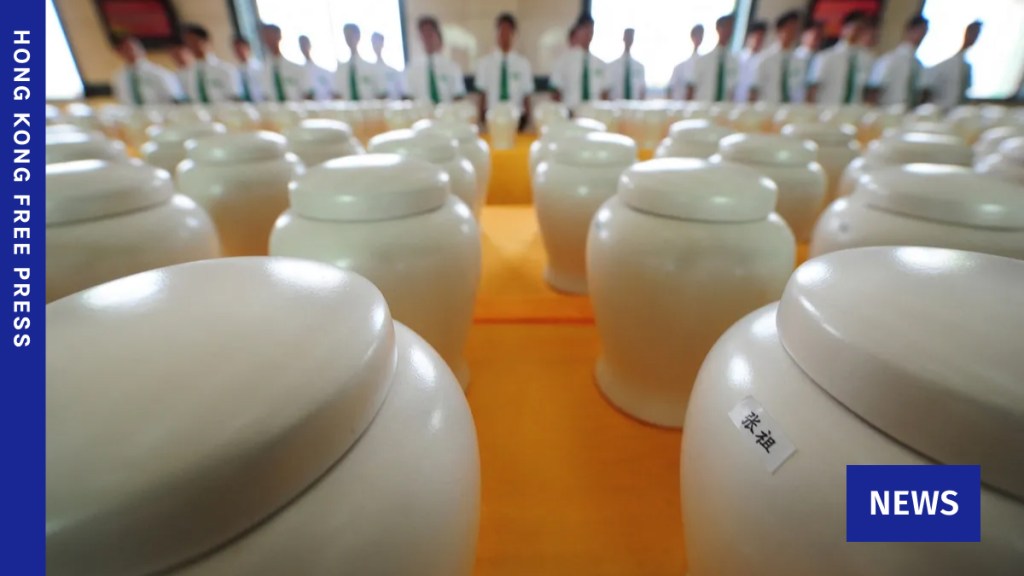
Chinese authorities have recently banned the practice of entombing cremated remains in empty apartments, a phenomenon that has become increasingly popular as families sought to circumvent rising funeral costs. Known colloquially as "bone-ash apartments," these units, often located in sparsely populated residential complexes, were being used by some families as makeshift resting places for their loved ones' remains. This unconventional burial method offered a cost-effective alternative to traditional cemetery plots, as well as providing families with greater control over the site.
The ban, which took effect on Monday, explicitly prohibits "the use of residential dwellings specifically for the interment of ashes." This move comes as authorities crack down on unconventional burial practices, aiming to standardize funeral arrangements and ensure that human remains are only permitted to be buried in designated areas.
The popularity of bone-ash apartments was driven by a combination of factors. Firstly, the subdued housing market in China made it relatively easy for families to acquire empty units at a lower cost compared to traditional burial sites. Additionally, the practice allowed families to carry out their ritualistic offerings and commemorations in a more personal and controlled environment. Carsten Herrmann-Pillath, a researcher from Erfurt University in Germany, described the appeal of such apartments as "killing two birds with one stone." He explained that "it's an investment and eases the process of carrying out ritual practices."
Despite the appeal of this practice, it has drawn criticism from authorities and experts alike. The ban is not only intended to curb the use of residential dwellings for interment but also to prevent developers and intermediaries from profiting from the sale of empty units that are "implicitly allowing their use for storing ashes." Xinyi Wu, an anthropologist doctoral student at the University of California, Irvine, whose research has centered on the phenomenon, noted that the ban seems to be aimed at stopping such exploitation.
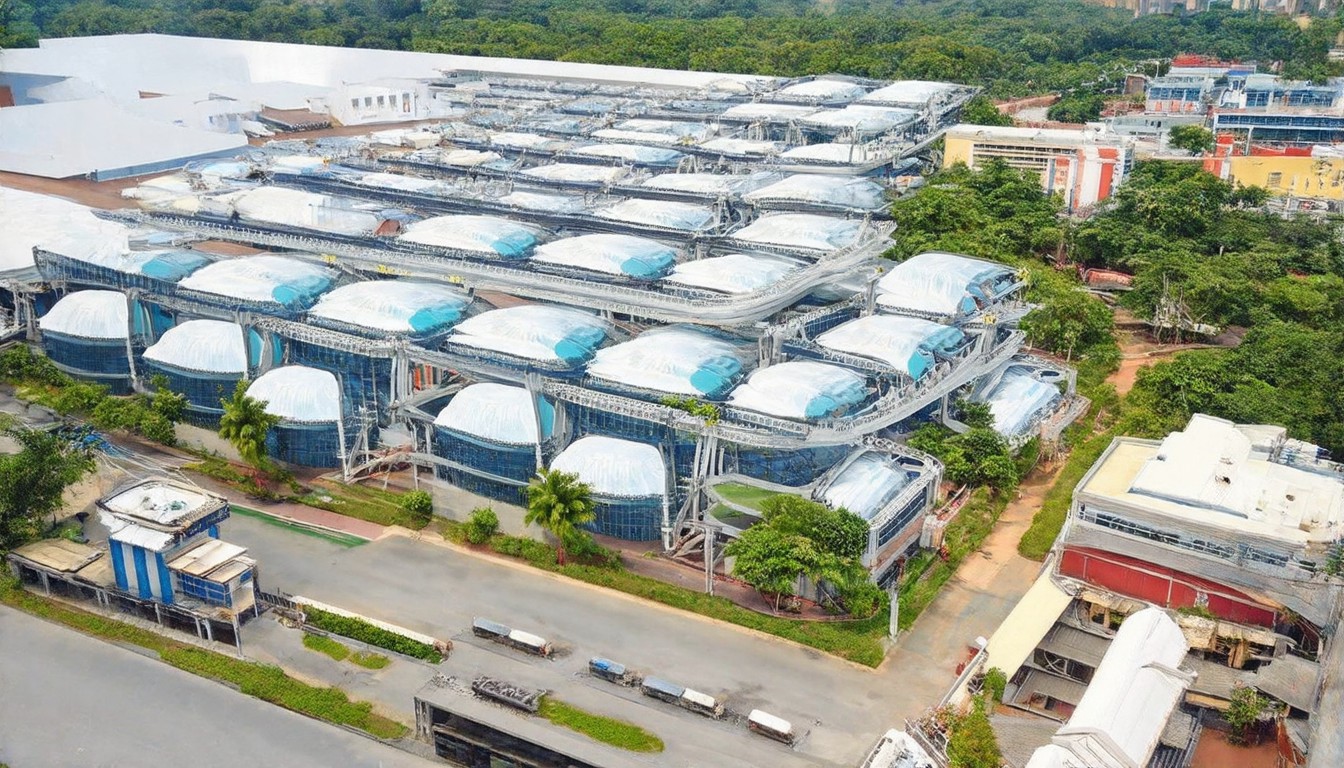
Bone-ash apartments are often identifiable by their sealed-off windows or closed curtains, as reported by Chinese media. A resident quoted by the Communist Party-run Legal Daily newspaper described peeking inside an apartment in his estate to see two candlesticks around a black box and a black-and-white portrait, a typical arrangement in China for commemorating the dead.
The timing of the ban is significant, as it comes just days before the Qingming Festival, also known as Tomb Sweeping Day. This traditional holiday marks the occasion when families visit the graves of their ancestors to tidy them and make ritual offerings. The ban is likely intended to ensure that such practices remain confined to designated areas, preserving the sanctity of cemeteries and preventing the blurring of lines between residential and burial spaces.
In conclusion, the Chinese government's decision to ban the entombment of cremated remains in empty apartments reflects a broader effort to regulate burial practices and maintain the integrity of designated burial sites. While the practice of using bone-ash apartments may have offered families a sense of control and cost savings, it has now been outlawed as authorities strive to standardize funeral arrangements and ensure that human remains are treated with the appropriate respect and dignity.