
Chilean zoo stages an Easter egg hunt with treats for the animals
Chile’s largest private zoo has staged an event resembling an Easter egg hunt with several of its animal residents searching for their food, packaged as Easter egg-themed treats
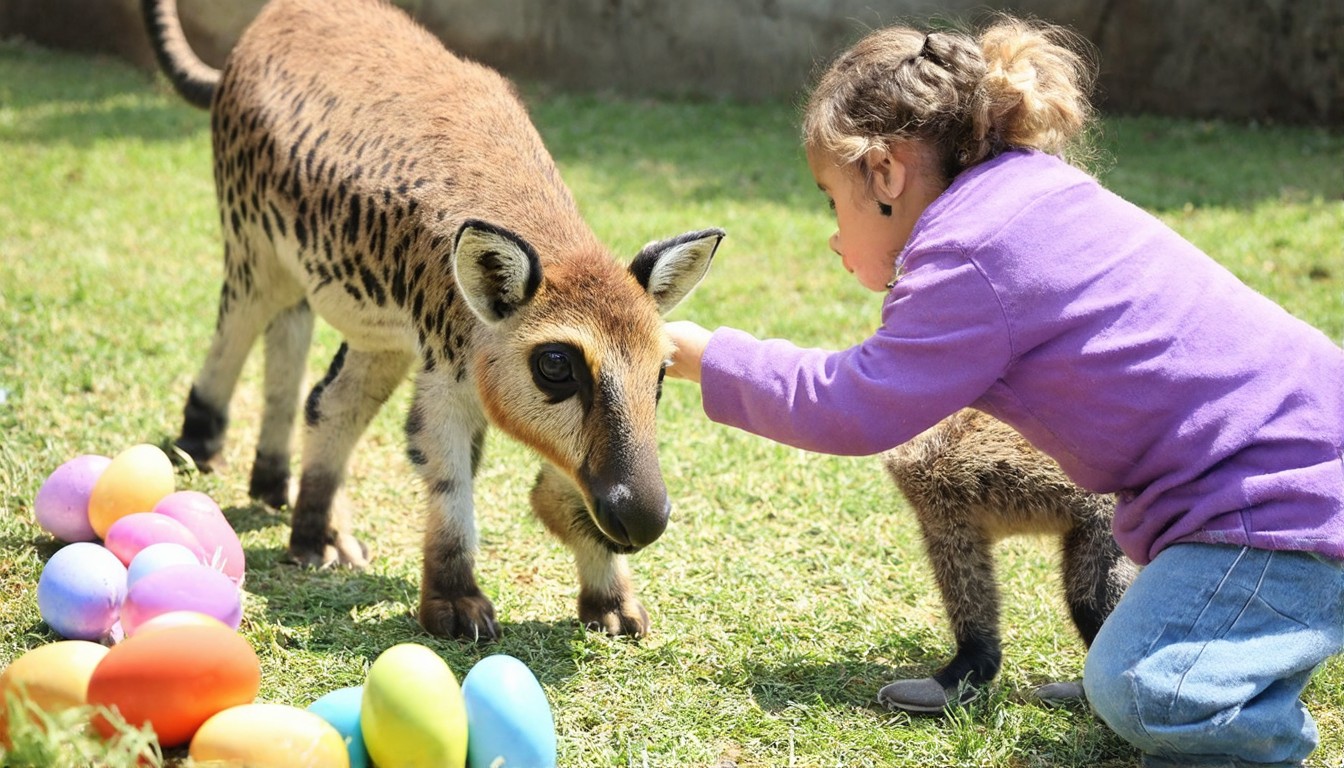
Chile's largest private zoo has recently organized an innovative Easter egg hunt event, where several of its animal residents participate in a search for their food, presented in the form of Easter egg-themed treats. This unique activity not only adds a festive touch to the zoo's regular routines but also provides an opportunity for the animals to engage in playful and interactive experiences.
The zoo, known for its commitment to animal welfare and enrichment, has transformed parts of its grounds into a colorful Easter egg hunt scene. Carefully designed Easter eggs filled with nutritious treats are hidden in various locations within the zoo, encouraging animals to explore their environment and exercise their natural foraging instincts. This creative approach not only enhances the animals' daily lives but also offers visitors a chance to witness these creatures in a more dynamic and engaging setting.
Among the animals participating in the Easter egg hunt are primates, birds, and small mammals. The primates, in particular, show great enthusiasm for the activity, using their dexterity and problem-solving skills to locate the hidden treats. Birds, such as parrots and penguins, are also involved, with some demonstrating remarkable intelligence in deciphering the locations of their food rewards.
The zoo staff has meticulously planned the event, ensuring that the Easter eggs are safe for the animals to consume. Each treat is carefully formulated to meet the dietary needs of the specific species, providing a balanced and nutritious meal that complements their regular diets. This attention to detail is crucial, as it not only ensures the animals' well-being but also reinforces the zoo's dedication to maintaining a healthy and thriving population.
The Easter egg hunt has been well-received by zoo visitors, who are delighted to see the animals participating in this festive activity. Families and individuals alike gather to watch the animals search for their treats, often leading to heartwarming and amusing interactions between the animals and the onlookers. This event has become a popular attraction, drawing more visitors to the zoo and showcasing the unique bond between animals and humans.
In addition to providing entertainment for both animals and visitors, the Easter egg hunt also serves an educational purpose. By observing the animals' behaviors and interactions during the event, zoo staff can gain valuable insights into their physical and mental health. This information can then be used to further enhance the animals' living conditions and care, ensuring their continued well-being.
The zoo's innovative approach to animal enrichment through events like the Easter egg hunt highlights the importance of creativity and adaptability in modern zoological practices. By offering engaging and stimulating experiences, zoos can enrich the lives of their animal residents, promote their health and happiness, and provide memorable encounters for the public.
In conclusion, Chile's largest private zoo has successfully transformed the traditional Easter egg hunt into a unique and enriching event for its animal residents. This creative initiative not only adds a festive element to the zoo's offerings but also underscores the importance of animal welfare and enrichment in contemporary zoological settings. As more zoos explore innovative ways to engage their animals and visitors, the Easter egg hunt serves as a shining example of how tradition can be reimagined to benefit both animals and people.








