Chilean Scientists Boost Antioxidant Levels in Tomatoes Without Affecting Plant Growth
Chilean scientists at the University of Chile boosted tomato lipoic acid by fruit-specific overexpression of lipoyl synthase (LIP1), increasing both free and protein-bound forms without harming plant growth. Published in Frontiers in Plant Science, the study shows antioxidant enrichment can reshape tomato fruit metabolism while preserving development. The approach, tested in Micro-Tom tomatoes, supports future precision options like gene editing. The post Chilean Scientists Boost Antioxidant Levels in Tomatoes Without Affecting Plant Growth appeared first on Seed World .
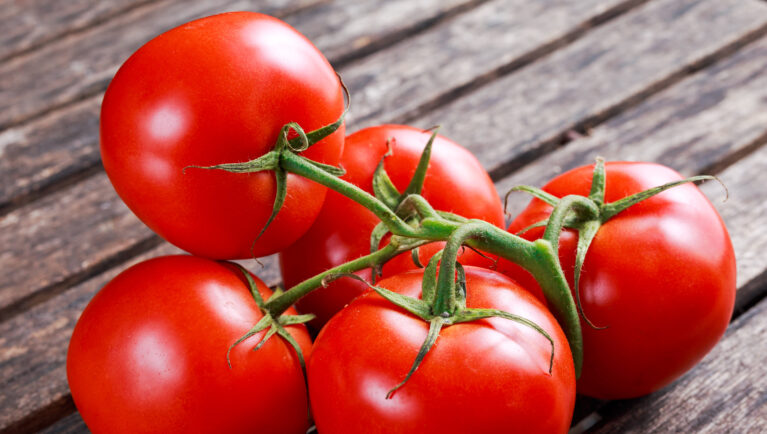
Chilean scientists at the University of Chile have made a significant breakthrough in enhancing the antioxidant levels of tomatoes without compromising their growth or development. The research, published in Frontiers in Plant Science, focuses on increasing lipoic acid, a powerful antioxidant that plays a crucial role in cellular metabolism. The team, led by Dr. María Paz Covarrubias and Dr. Michael Handford, achieved this by overexpressing the enzyme lipoyl synthase (LIP1) specifically in the tomato fruits.
Lipoic acid is renowned for its strong antioxidant properties, which help protect cells from oxidative damage. Unlike many other antioxidants, it can dissolve in both water and lipids, allowing it to function in multiple areas of the body. This dual capability makes lipoic acid particularly valuable for human health. The study aimed to determine whether it was possible to enhance the antioxidant content of fruits without negatively impacting plant development.
The researchers conducted their experiments using Micro-Tom tomatoes, a small-fruited variety that is ideal for controlled laboratory settings. By overexpressing LIP1 in the tomato fruits, they were able to increase both free and protein-bound forms of lipoic acid. This modification had a significant effect on the fruit's metabolism, altering key metabolic pathways. However, the growth and overall development of the plants remained unaffected, demonstrating that the approach is sustainable and practical for large-scale agriculture.
The findings of this study have important implications for the future of precision agriculture. The ability to enhance the nutritional value of crops without harming their growth opens up new possibilities for improving food quality and promoting healthier diets. The method used by the Chilean scientists could potentially be applied to other crops as well, paving the way for more efficient and effective strategies in plant breeding and genetic engineering.
In addition to its antioxidant properties, lipoic acid also serves as a cofactor for enzymes involved in energy metabolism. This means that increasing its levels in tomatoes not only protects cells from oxidative damage but also supports cellular energy production. The study highlights the complex interplay between antioxidants and cellular metabolism, suggesting that enhancing antioxidant content in fruits could have broader health benefits than previously thought.
The research conducted by the University of Chile team represents a promising step forward in the field of plant biotechnology. By demonstrating that antioxidant enrichment can be achieved without compromising plant growth, the scientists have provided a foundation for future studies and innovations in this area. The potential applications of this work extend beyond tomatoes, offering a blueprint for improving the nutritional value of other crops while maintaining their productivity.
In conclusion, the Chilean scientists' achievement in boosting antioxidant levels in tomatoes without affecting plant growth is a notable milestone in agricultural research. Their work not only advances our understanding of plant metabolism but also offers practical solutions for enhancing the nutritional content of fruits. As the world continues to grapple with the challenges of feeding a growing population and promoting healthier lifestyles, innovations like this are crucial for developing sustainable and effective strategies in food production. The study published in Frontiers in Plant Science is a testament to the potential of interdisciplinary research, combining plant biology, biochemistry, and agriculture to create healthier and more nutritious food options for all.