
Chile propone resolución para evaluar Nuevas Técnicas de Mejoramiento Genético en cultivos
Chile refuerza el uso responsable de la biotecnología agrícola con un borrador de resolución del SAG que formaliza la evaluación de materiales vegetales desarrollados con Nuevas Técnicas de Mejoramiento (NBT) antes del uso en campo. El análisis caso a caso diferencia NBT de transgénicos, aumenta certeza jurídica, transparencia y supervisión. Hay consulta pública 60 días para impulsar innovación, resiliencia climática y alimentos. The post Chile propone resolución para evaluar Nuevas Técnicas de Mejoramiento Genético en cultivos appeared first on Seed World .
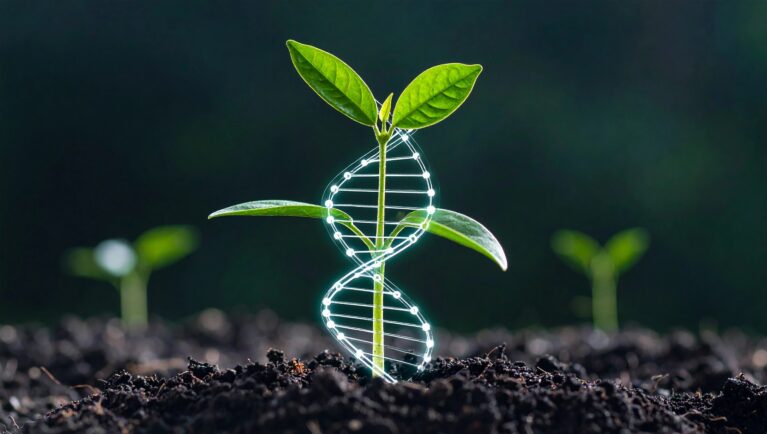
Chile has proposed a resolution to evaluate New Breeding Techniques (NBTs) in crops, reinforcing the responsible use of agricultural biotechnology. The draft resolution from the Agricultural Service (SAG) formalizes the evaluation of plant materials developed using NBTs before they are used in the field. This case-by-case analysis distinguishes NBTs from genetically modified organisms (GMOs), increasing legal certainty, transparency, and supervision. A 60-day public consultation period has been opened to promote innovation, climate resilience, and food security.
The proposal aims to strengthen legal security, enhance supervision, and align Chile with the global transformation that considers NBTs as key tools for producing more sustainable, nutritious, and resilient foods. The Ministry of Agriculture, through the SAG, presented a draft to standardize and transparently apply a procedure that the agency has been using for over eight years to evaluate plant materials produced with modern biotechnology. The purpose of this evaluation is to clearly differentiate products derived from NBTs—where precise changes replicate natural processes without introducing genes from other species—from transgenic products, which do incorporate genes from other species and are already subject to specific regulations in Chile.
The evaluation is mandatory and must be conducted before any field use. It determines whether a development should be considered conventional or if existing GMO regulations should apply. This provides an official determination backed by regulation, strengthening environmental and phytosanitary safeguards, as well as public confidence in these technologies, according to a press release.
The proposal was presented during a meeting with key agricultural sector actors, including ChileBio, and is part of a broader strategy to strengthen Chile's capacity to produce food in the context of climate change, increasing environmental demands, and growing challenges related to food security and nutrition. The SAG has also opened a 60-day national and international public consultation period to gather feedback and ensure the resolution is inclusive and effective.
The evaluation process under the proposed resolution will assess the potential risks and benefits of NBTs, considering factors such as environmental impact, gene flow, and unintended consequences. This approach allows for a flexible and adaptable system that can be adjusted as new scientific knowledge emerges. By distinguishing NBTs from GMOs, the resolution aims to create a clear legal framework that encourages the responsible and innovative use of biotechnology in agriculture while maintaining public trust and ensuring food safety.
The public consultation period is an opportunity for stakeholders, including farmers, scientists, environmental groups, and consumers, to express their views and concerns. This inclusive process is crucial for building consensus and ensuring that the new regulations are accepted and implemented effectively. The SAG expects to receive feedback on the evaluation criteria, the role of risk assessment, and the transparency of the decision-making process.
The proposed resolution is part of a broader effort by the Chilean government to modernize its agricultural sector and adapt to the challenges posed by climate change and global food security. By promoting the responsible use of NBTs, Chile aims to enhance its agricultural productivity, ensure food security, and contribute to global efforts to address malnutrition and climate change. The new regulations are expected to support farmers in adopting innovative technologies that can improve crop yields, resistance to pests and diseases, and nutritional content.
In conclusion, Chile's proposal to evaluate NBTs in crops represents a significant step towards a more transparent and responsible approach to agricultural biotechnology. By distinguishing NBTs from GMOs and implementing a case-by-case evaluation process, the country aims to balance innovation with environmental and public safety concerns. The 60-day public consultation period is a critical opportunity for all stakeholders to contribute to the development of a regulatory framework that supports sustainable agriculture and food security in Chile and beyond.








