
Chernobyl at 40: physics, politics and the nuclear debate today
Jim Smith reflects on the 1986 disaster and how it still shapes public perception of nuclear power The post Chernobyl at 40: physics, politics and the nuclear debate today appeared first on Physics World .
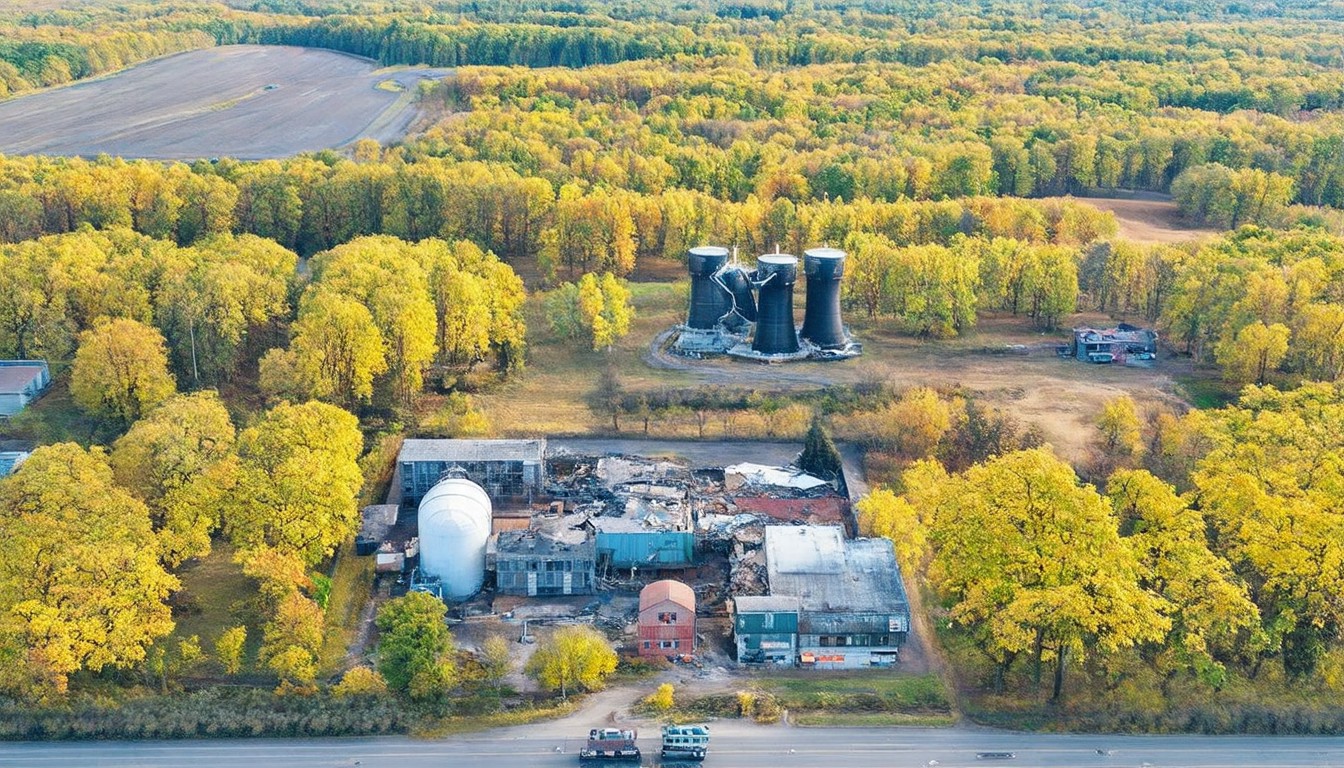
On April 26, 2026, it will be 40 years since the catastrophic explosion at Unit 4 of the Chernobyl Nuclear Power Plant, marking the worst nuclear accident in history. The disaster unfolded in the early hours of April 26, 1986, when a poorly designed reactor, operated under immense pressure during a safety test, lost control. A powerful explosion and prolonged fire followed, releasing radioactive material across Ukraine, Belarus, and Russia, with smaller quantities contaminating much of Europe.
In a recent episode of Physics World Stories, host Andrew Glester spoke with Jim Smith, an environmental physicist at the University of Portsmouth, about the lasting impact of Chernobyl and its role in shaping the global nuclear debate. Smith, who initially studied astrophysics, shifted his focus to environmental issues, culminating in a PhD in applied mathematics at Liverpool. His research centered on modeling the transport of radioactive material from Chernobyl through the atmosphere and its deposition, even reaching as far as the Lake District in northwestern England.
During the interview, Smith recounted his visits to the abandoned Chernobyl plant and the 1000-square-mile exclusion zone, now a thriving ecosystem home to roaming wolves and other wildlife. He emphasized the need for a rational debate about the relative risks of nuclear power, arguing that the social and economic consequences of the disaster have far outweighed the long-term impacts of radiation itself.
The discussion delved into the political and cultural context of the Soviet Union at the time, highlighting the hierarchical system that contributed to the accident. Smith also shared insights into how lessons learned from Chernobyl were later applied during the Fukushima disaster in 2011. He passionately advocated for nuclear power as a crucial complement to renewable energy sources, stressing the importance of balancing environmental concerns with the need for sustainable energy solutions.
In addition to his academic work, Smith has launched the Chernobyl Spirit Company, a social enterprise in collaboration with Ukrainian colleagues. The company produces safe, high-quality spirits to support Ukrainian communities, offering a unique way to generate income and promote resilience in the region. During the interview, Smith invited Glester to try one of their products, showcasing the company's commitment to revitalizing the area affected by the disaster.
As the world grapples with the complexities of nuclear energy and its role in a sustainable future, the Chernobyl tragedy continues to shape public perception and policy decisions. Through the insights of experts like Jim Smith, the conversation around the risks and benefits of nuclear power remains an essential part of the global debate on energy and environmental stewardship.








