
Charity spectacle: Indonesian Raya tradition puts ‘begging mentality’ in the spotlight
Some people now feel entitled to festive handouts of cash and gifts from celebrities and the wealthy.
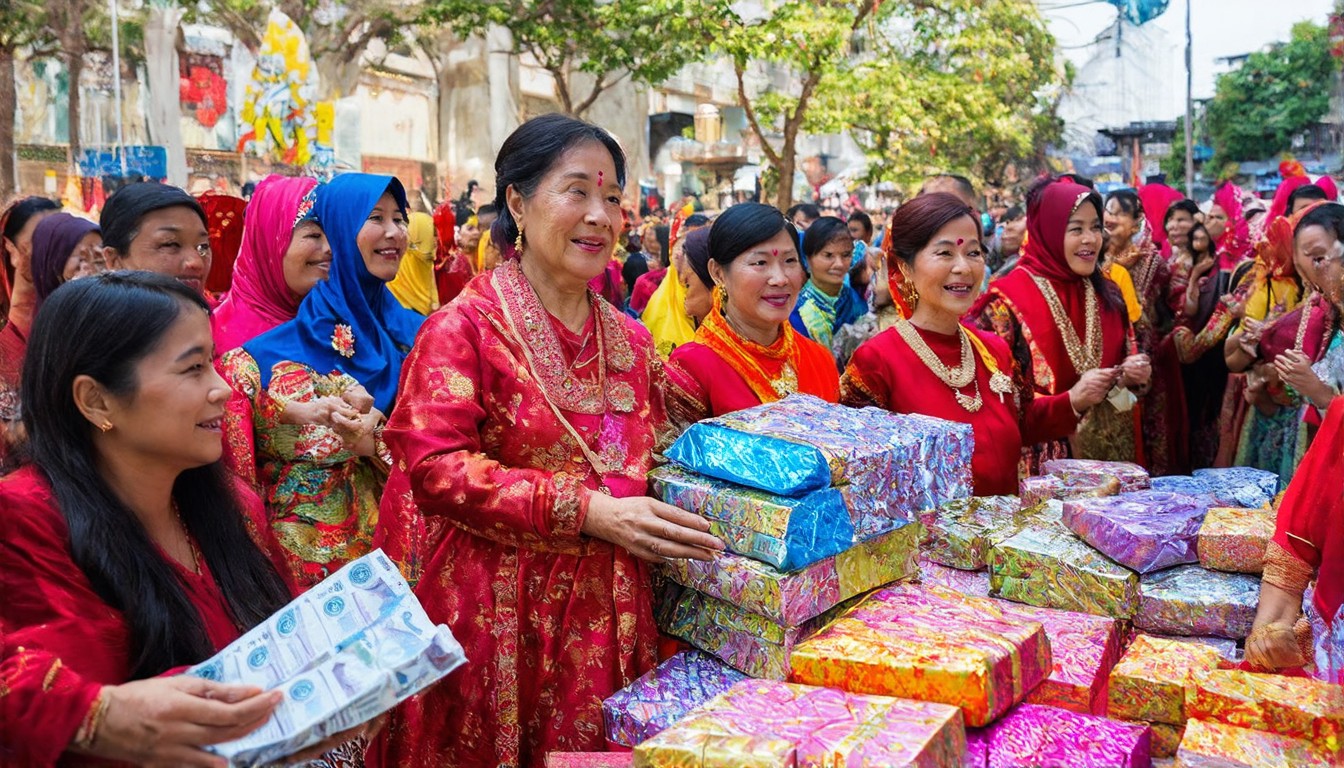
In the lead-up to the Indonesian Islamic holy month of Ramadan and the subsequent Eid al-Fitr festival, a unique tradition known as "raya" has long been a staple of the nation's cultural calendar. This tradition, which involves the distribution of gifts and cash to those in need, has become a spectacle that highlights both the generosity of the Indonesian people and the growing concerns over a perceived "begging mentality."
During the raya season, many Indonesians engage in acts of charity, often inspired by the Islamic teachings of zakat—the giving of alms to the poor. This tradition has been deeply ingrained in the country's culture for centuries, with families and communities coming together to distribute gifts and cash to those less fortunate. However, in recent years, this tradition has taken on a new dimension, with celebrities and the wealthy becoming prominent figures in the charitable landscape.
The influx of festive handouts from celebrities and the affluent has not only brought joy to many but has also sparked debates about the nature of charity and the expectations it fosters. Some individuals now feel entitled to receive these gifts and cash, leading to a shift in the mindset of both givers and receivers. This phenomenon has been particularly evident in urban areas, where the reach of social media and the visibility of the wealthy have amplified the expectation of receiving raya handouts.
Critics argue that this shift towards entitlement undermines the very purpose of charity, which is to help those in need without creating a dependency. They point out that while the raya tradition is meant to spread goodwill and promote social cohesion, the emphasis on celebrity and wealthy donations has transformed it into a spectacle that may inadvertently encourage a culture of begging.
On the other hand, supporters of the raya tradition maintain that it remains a vital part of Indonesian society, fostering a sense of community and shared responsibility. They argue that the distribution of gifts and cash during this time reinforces the values of compassion and generosity, which are essential in a society with significant income disparities.
The raya tradition also extends beyond the material realm, as it encourages people to reflect on their own well-being and the struggles faced by others. This introspection can lead to a deeper appreciation of the blessings in life and a renewed commitment to helping those in need.
However, as the raya tradition evolves, it is crucial to address the growing concerns about the beginnings of a begrudging mentality. Efforts should be made to ensure that charity remains voluntary and heartfelt, rather than a transactional exchange. This can be achieved by promoting the importance of selfless giving and encouraging individuals to contribute according to their means and values.
In conclusion, the Indonesian raya tradition, with its festive handouts and acts of charity, continues to be a vibrant and meaningful part of the nation's cultural fabric. While it has undeniably brought joy and support to many, the growing concerns over a perceived entitlement to these handouts highlight the need for careful reflection and thoughtful engagement in the practice of charity. By fostering a genuine sense of compassion and responsibility, the raya tradition can continue to inspire and unite Indonesians, while ensuring that its core values of generosity and goodwill remain intact.








