
Chandigarh BJP office blast case: Two main perpetrators who received directions from handlers in Germany & Portugal held
Punjab Police arrested two more alleged perpetrators linked to the blast outside BJP headquarters in Chandigarh, increasing total arrests to seven. The accused are believed to be part of an ISI-backed module, receiving directions from handlers in Germany and Portugal.
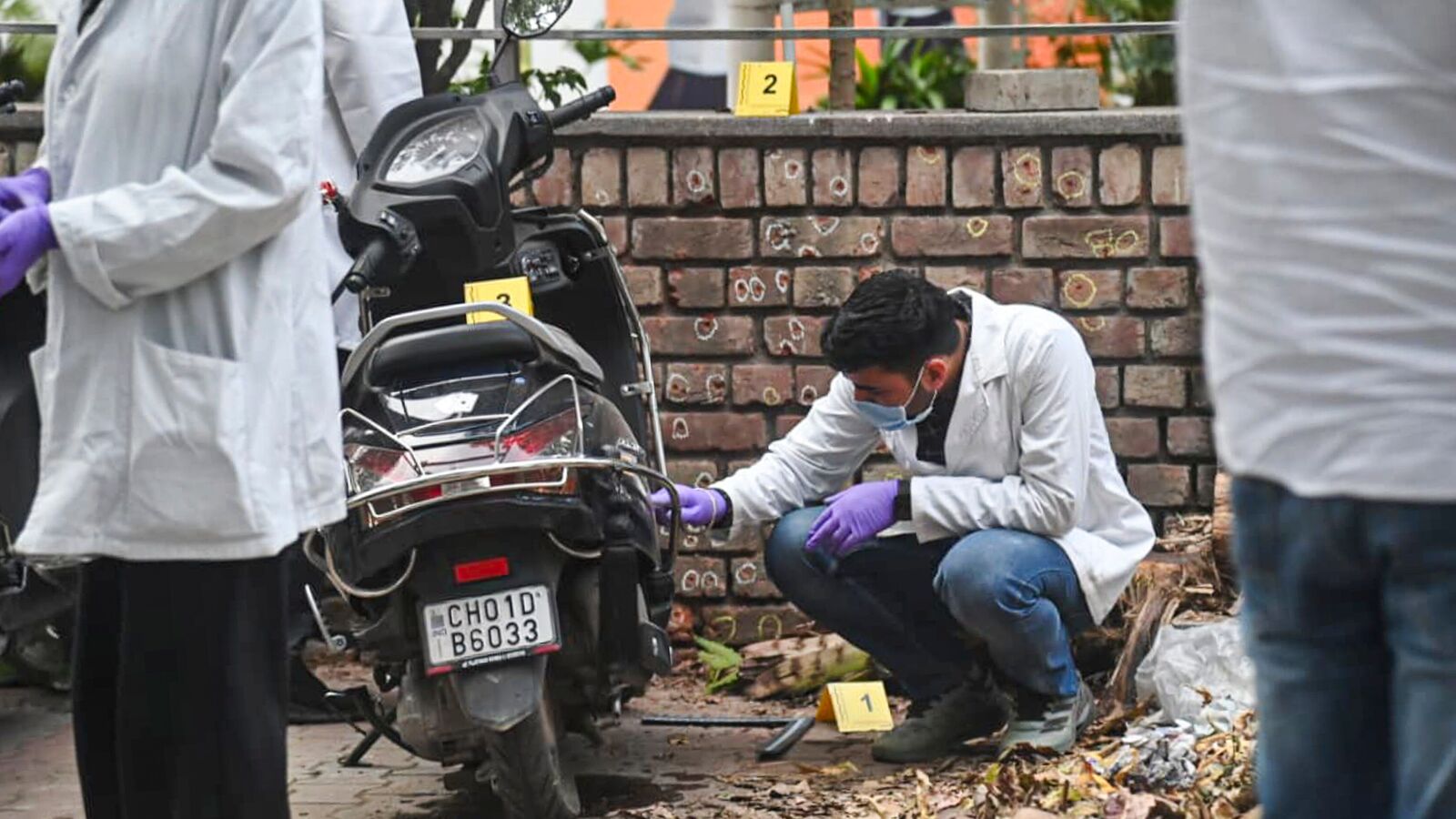
The Chandigarh BJP office blast case, which rocked the city in October 2023, has seen significant developments as Punjab Police arrested two more alleged perpetrators, bringing the total number of arrests to seven. The latest arrests have raised concerns about the involvement of external intelligence agencies, with investigators believing the accused were part of an ISI-backed module receiving directions from handlers in Germany and Portugal.
The blast, which occurred on October 12, 2023, targeted the Bharatiya Janata Party (BJP) headquarters in Chandigarh, the capital of Punjab. The attack, carried out using an improvised explosive device, caused widespread destruction, injuring several people, and prompting a massive manhunt by law enforcement agencies.
The two newly arrested individuals, identified as Ravi Kumar and Hardeep Singh, were apprehended in separate operations conducted by Punjab Police in Ludhiana and Patiala, respectively. Both men are believed to have played crucial roles in the planning and execution of the blast.
Investigations have revealed that the accused were part of a larger network with ties to the Inter-Services Intelligence (ISI), the intelligence agency of Pakistan. The group allegedly received directives and support from handlers based in Germany and Portugal, indicating a complex and international conspiracy.
The ISI's involvement in the case has raised serious concerns about the security of the Indian state. Officials have stated that the agency has a history of orchestrating attacks on Indian soil to destabilize the country. The Chandigarh blast is seen as part of a broader strategy to undermine India's political stability and weaken its democratic institutions.
The arrests have been met with mixed reactions. While the Punjab Police have been commended for their relentless efforts in apprehending the perpetrators, critics argue that the case highlights systemic failures in India's intelligence and security apparatus. They point to the ease with which the accused were able to operate within the country and receive support from foreign handlers.
The investigation has also uncovered links between the accused and local criminal elements, suggesting that the blast may have been carried out with the help of Indian nationals. This has complicated the case, as authorities now need to determine the extent of local collaboration and the motivations behind it.
The Chandigarh BJP office blast case has become a focal point for discussions about national security and the role of external intelligence agencies in India. As the investigation continues, it remains to be seen whether the accused will be held accountable for their actions and whether the full extent of the conspiracy will be uncovered.
The arrests of Ravi Kumar and Hardeep Singh are a significant step forward in the case, but they also underscore the need for enhanced vigilance and improved coordination between India's intelligence agencies. The involvement of handlers in Germany and Portugal highlights the global nature of the threat and the necessity for international cooperation in combating such threats.
As the case progresses, it is expected to reveal more about the inner workings of the ISI's operations in India and the extent of its influence on local terror groups. The Chandigarh blast case serves as a stark reminder of the ongoing challenges faced by India in maintaining its security and stability in the face of external threats.
In conclusion, the Chandigarh BJP office blast case has evolved into a complex and high-stakes investigation involving multiple agencies and international dimensions. The arrest of two more alleged perpetrators, believed to have received directions from handlers in Germany and Portugal, has raised critical questions about the security landscape and the effectiveness of India's intelligence and security framework. As the case unfolds, it will be crucial for authorities to unravel the full extent of the conspiracy and hold those responsible to account.








