CFIA Job Cuts Confirmed as Ottawa Targets $235M in Savings
The agency has confirmed 587 job cuts while unions say austerity measures could weaken food safety inspections, research, and emergency response capacity. It’s not yet known what effect, if any, […] The post CFIA Job Cuts Confirmed as Ottawa Targets $235M in Savings appeared first on Seed World .
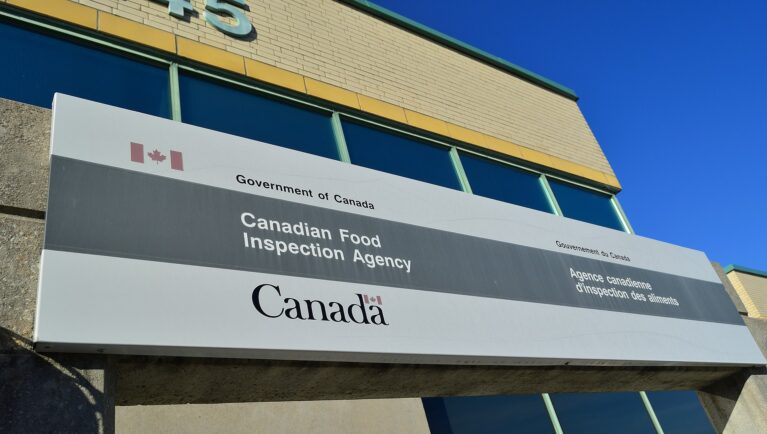
The Canadian Food Inspection Agency (CFIA) has confirmed plans to cut 587 jobs as part of a broader federal austerity push targeting $235 million in savings over four years. The announcement comes as unions warn that the measures could weaken food safety inspections, research, and emergency response capacity. Federal employees were informed this week that hundreds of positions will be affected, with 587 jobs to be eliminated outright. The Agriculture Union, representing approximately 4,000 CFIA employees out of a workforce of nearly 6,400, held an all-employee town hall meeting where staff were told about the employment transition measures.
The union has expressed concern that these sweeping job cuts could have an unknown impact on the future of Seed Regulatory Modernization, a program aimed at updating Canada's seed regulations. The union argues that the austerity measures will hit frontline food safety operations hard, describing the situation as "a massive blow that cannot be absorbed by an already struggling agency." The union is urging the government to reconsider its decision and reverse the course of action.
The budget targets set by the federal government's 2025 plan require CFIA to find $235 million in savings over four years, alongside $80.5 million in ongoing savings. To meet these targets, CFIA plans to reduce overlap and duplication, scale back non-core research activities to focus on priority diagnostic methods, and consolidate lab services to avoid costly capital upgrades. The budget also highlights investments in secure digital platforms and digital export certification to increase efficiencies and support exporters.
The Professional Institute of the Public Service of Canada (PIPSC) has called for public scrutiny of these measures, warning that the "efficiency" framing masks a serious risk to the agency's operations. The union's concerns are shared by many in the food safety community, who are already grappling with the challenges posed by a rapidly changing agricultural landscape and global trade dynamics.
The CFIA's job cuts come at a time when the agency is facing increased demands for food safety inspections, research, and emergency response. With the global food supply chain becoming more interconnected, the need for robust food safety measures has never been greater. The agency's ability to meet these challenges will be closely watched, as the government's austerity measures could have unintended consequences on public health and food security.
As the debate over the impact of these cuts continues, the CFIA and the federal government must carefully consider the potential effects on their operations and the public they serve. The agency's mission to protect public health through food safety inspections, research, and emergency response is critical, and any reductions in capacity could have far-reaching implications.
In the coming weeks, it will be important for the government to engage with the affected employees, unions, and the public to ensure that the savings targets are met without compromising the essential services provided by the CFIA. The agency's ability to adapt and respond to the evolving needs of the food safety sector will be crucial in maintaining trust and confidence in Canada's food system.
As the story unfolds, it remains to be seen how the job cuts will affect the CFIA's operations and the broader food safety landscape. The federal government's austerity measures are a complex issue, and the potential trade-offs between budget savings and the delivery of essential public services must be carefully weighed. The CFIA's role in safeguarding public health is of utmost importance, and any disruptions to its operations could have significant consequences.
In conclusion, the confirmed job cuts at the CFIA highlight the challenges faced by the federal government in balancing budgetary constraints with the delivery of critical public services. As the agency and the government navigate these changes, it is essential to ensure that the essential functions of food safety inspections, research, and emergency response are not compromised. The impact of these cuts on public health and food security will be closely monitored, and the government must remain committed to protecting the well-being of Canadians in the face of these austerity measures.