Centre Working To Reduce Dependence On LPG Imports Amid West Asia Tensions
Government is prioritising the expansion of piped natural gas (PNG) and accelerating renewable energy development, including solar, wind, bioenergy, and green hydrogen.
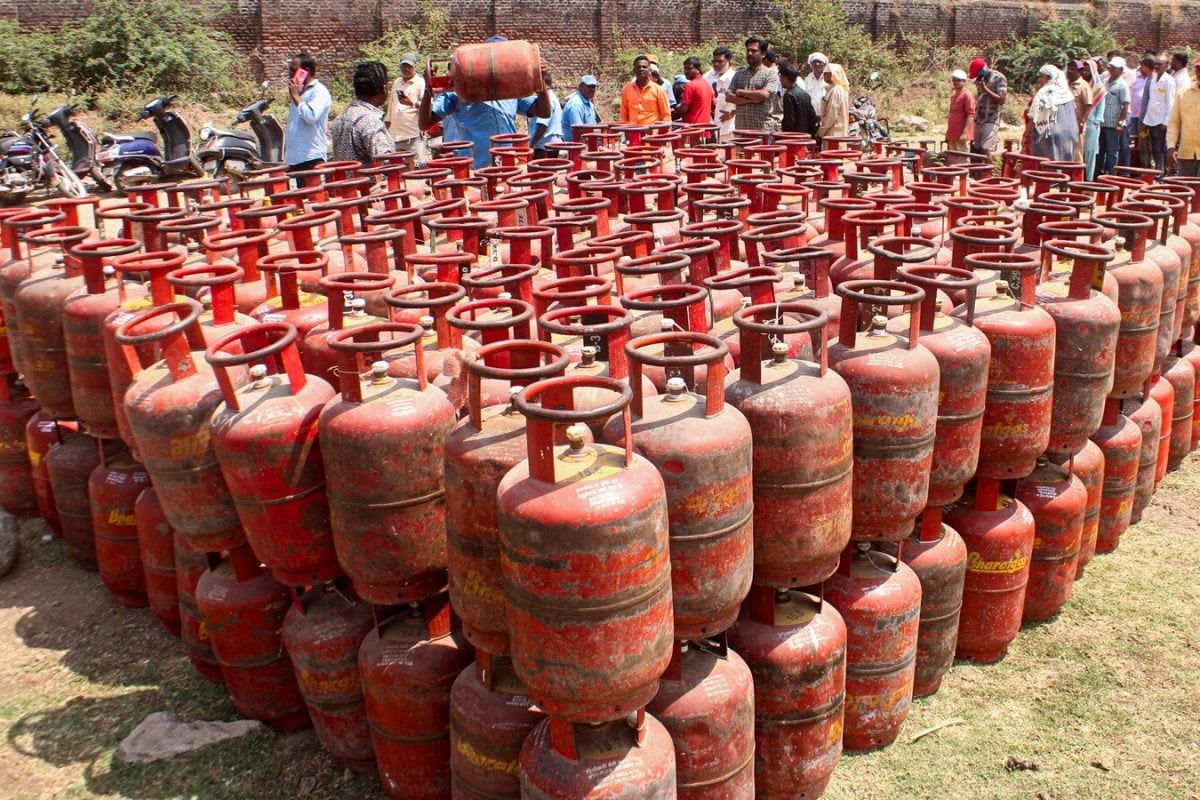
The Centre is taking decisive steps to reduce its dependence on liquefied petroleum gas (LPG) imports amid heightened tensions in West Asia. As part of this strategy, the government has prioritised the expansion of piped natural gas (PNG) infrastructure and accelerated the development of renewable energy sources, including solar, wind, bioenergy, and green hydrogen.
In recent years, the country has faced significant challenges due to fluctuating global energy markets and geopolitical uncertainties in the region. The reliance on LPG imports, primarily from West Asia, has become a major concern for the government, prompting a reassessment of the nation's energy policies. The move towards diversifying energy sources and reducing LPG imports is part of a broader effort to enhance energy security and stability.
The expansion of PNG infrastructure is seen as a critical component of this strategy. Piped natural gas offers several advantages over LPG, including lower environmental impacts, higher efficiency, and more stable energy prices. By investing in PNG, the government aims to increase domestic natural gas production and reduce the need for LPG imports. This shift is expected to have a significant impact on the country's energy mix, as natural gas is a cleaner and more efficient alternative to LPG.
In addition to PNG expansion, the government has also accelerated the development of renewable energy sources. Solar, wind, bioenergy, and green hydrogen are being prioritised as part of a comprehensive plan to reduce the country's carbon footprint and promote sustainable energy. The renewable energy sector is expected to play a pivotal role in achieving energy independence and reducing reliance on imported fuels.
Solar energy has been identified as a key area for growth, with the government investing in large-scale solar parks and incentivising rooftop solar installations. Wind energy is also being explored, particularly in coastal and inland regions with high wind potential. Bioenergy, including biomass and biogas, is being developed to harness the country's agricultural resources and reduce waste.
Green hydrogen, a clean alternative to traditional hydrogen, is another area of focus. The government is investing in research and development to produce green hydrogen domestically, which could potentially replace LPG in various sectors, including transportation and industrial applications.
The transition towards renewable energy and PNG is not without its challenges. The country faces the need to upgrade its energy infrastructure, develop the necessary technology, and invest in research and development. Additionally, there are concerns about the social and environmental impacts of large-scale energy projects. However, the government is committed to addressing these challenges through strategic planning and collaboration with stakeholders.
The move towards reducing LPG imports is also part of a broader geopolitical strategy. By diversifying energy sources and reducing dependence on West Asia, the country aims to mitigate the risks associated with geopolitical tensions in the region. This approach is seen as a proactive step towards ensuring energy security and stability in the long term.
In conclusion, the Centre's efforts to reduce dependence on LPG imports through the expansion of PNG and accelerated renewable energy development are a significant response to the challenges posed by global energy markets and geopolitical uncertainties. While the transition will require substantial investment and careful planning, the potential benefits in terms of energy security, environmental sustainability, and economic growth are substantial. As the country continues to navigate a complex energy landscape, these initiatives represent a strategic shift towards a more resilient and sustainable energy future.