
CBS News poll analysis on what jobs AI should be doing
As AI use rises, many see it decreasing the number of jobs available.
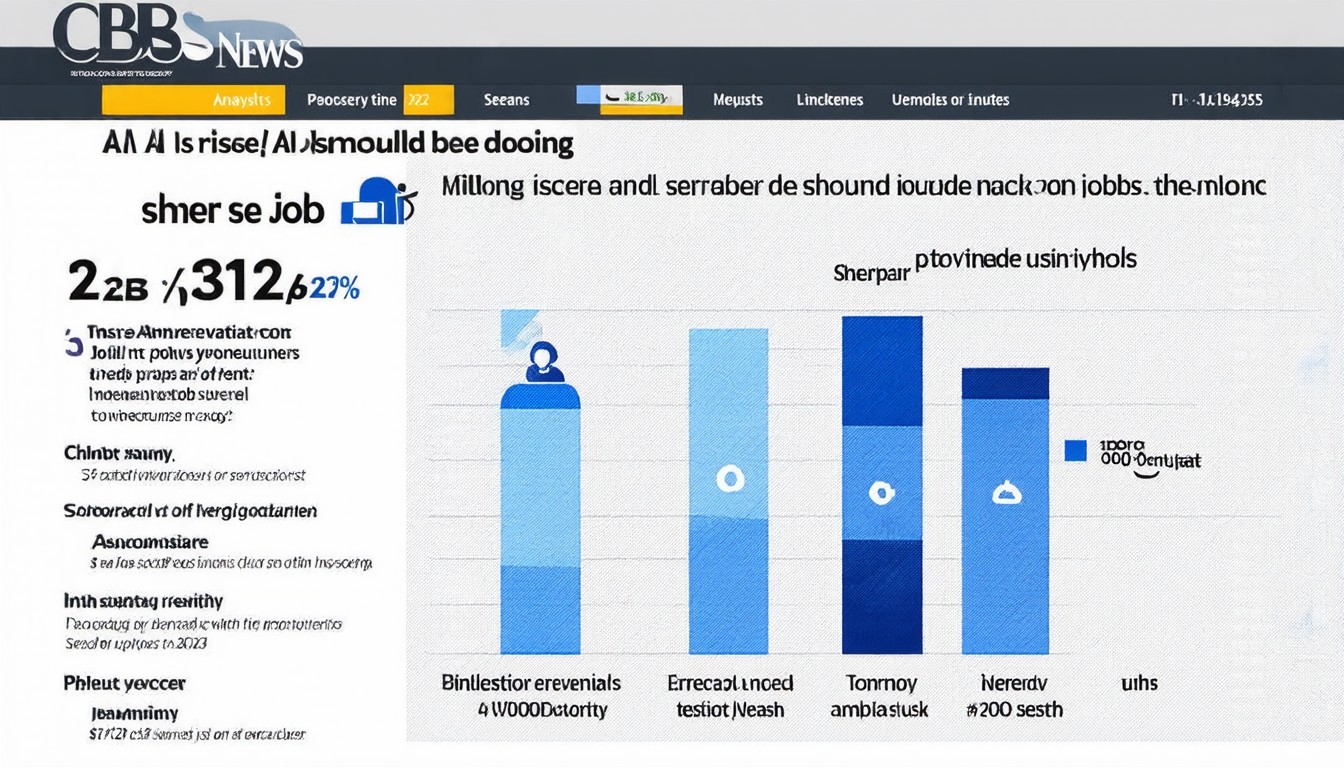
In recent years, the rapid advancement of artificial intelligence (AI) has sparked widespread debate about its impact on the job market. As AI systems become increasingly sophisticated and are integrated into various industries, concerns about job displacement have grown. To better understand public perceptions and preferences regarding AI's role in the workforce, CBS News conducted a poll analysis that sheds light on what jobs AI should be doing and how the public views its potential effects on employment.
The poll, which surveyed a diverse group of respondents across different age groups, professions, and geographic locations, revealed that a majority of Americans believe AI should focus on tasks that are either dangerous, repetitive, or emotionally taxing. This perspective aligns with the idea that AI can take over roles that pose risks to human workers, such as operating heavy machinery in hazardous environments or performing monotonous tasks that can lead to burnout. By prioritizing these areas, AI can enhance worker safety and well-being while increasing productivity in industries like manufacturing, healthcare, and logistics.
However, the poll also highlighted significant concerns about the potential displacement of human workers. Many respondents expressed worry that AI could replace jobs in sectors such as customer service, transportation, and even creative fields like writing and design. These fears are rooted in the belief that AI's ability to perform tasks quickly and efficiently could render certain professions obsolete. As a result, there is a call for policymakers to develop strategies to mitigate the negative impacts of AI on employment, such as reskilling programs and financial support for workers who are affected by automation.
Interestingly, the poll revealed that a substantial number of respondents believe AI should be used to augment human capabilities rather than replace them entirely. This perspective suggests that AI can enhance the workforce by assisting workers in complex decision-making processes, analyzing large datasets, and improving overall efficiency. By working alongside humans, AI can create new opportunities and foster innovation in industries that were previously limited by the constraints of manual labor.
The poll also examined how different demographics view AI's role in the job market. Younger respondents, particularly those in their 20s and 30s, were more open to the idea of AI taking over certain jobs, often citing the potential for increased efficiency and economic growth. In contrast, older respondents and those with lower levels of education tended to express greater apprehension about the impact of AI on job security. These disparities highlight the need for targeted communication and education efforts to ensure that all segments of society understand the potential benefits and risks associated with AI's integration into the workforce.
Moreover, the poll underscored the importance of ethical considerations in the development and deployment of AI systems. Respondents emphasized the need for transparency, accountability, and fairness in AI applications to prevent misuse and ensure that its benefits are distributed equitably. This concern is particularly relevant as AI continues to evolve and become more integrated into various aspects of daily life, from healthcare to education to governance.
In conclusion, the CBS News poll analysis provides valuable insights into the public's views on AI's role in the job market. While there are legitimate concerns about job displacement, the survey also reveals a growing recognition of AI's potential to enhance worker safety, productivity, and overall economic growth. As AI technology continues to advance, it will be crucial for policymakers, businesses, and individuals to collaborate in developing strategies that harness the full potential of AI while addressing the challenges it poses to employment. By fostering a proactive and inclusive approach, society can ensure that AI's integration into the workforce benefits all, rather than leaving some behind.









