Cash no longer accepted on toll booths from April 10: Details on payment modes, fines, new rules
Payments at toll plazas to be made through FASTag or UPI. There's also a provision of e-notices, whereby fee can be paid within 72 hours to avoid extra charge
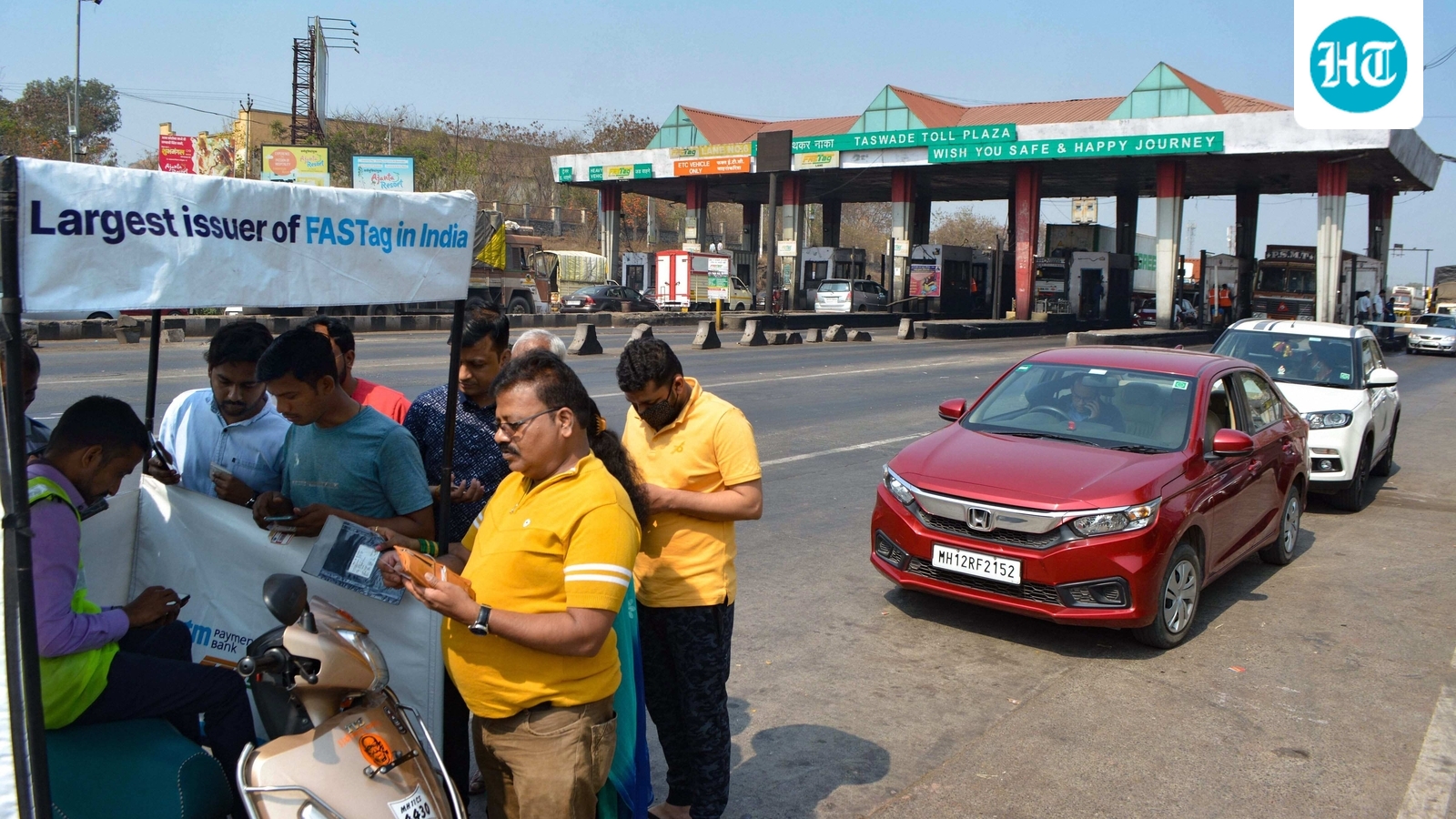
On April 10, 2024, a significant change will be implemented across toll plazas in the country, marking the end of cash payments at these locations. This shift is part of a broader initiative to modernize the toll collection system and streamline transactions, ensuring a smoother and more efficient travel experience for motorists. The new rules will require all payments to be made using either a FASTag or Unified Payments Interface (UPI). Additionally, motorists who fail to comply with these new payment methods will face fines, unless they opt to pay the fee through an e-notice system within a 72-hour window to avoid the extra charge.
The decision to phase out cash payments at toll plazas is driven by the government's commitment to reducing manual processes and promoting digital transactions. By encouraging the use of FASTag and UPI, the authorities aim to enhance the speed and accuracy of toll collection, minimize wait times at toll booths, and reduce the risk of errors associated with cash handling. These electronic payment systems have been in use for several years and have proven to be reliable and user-friendly, making them ideal candidates for widespread adoption.
FAStag, a contactless electronic toll collection system, has been widely accepted by motorists due to its ease of use and convenience. Users can simply attach the FASTag device to their windshield and allow it to communicate with the toll booth's reader as they pass through. The system automatically deducts the appropriate toll amount from the user's pre-paid account. On the other hand, UPI is a universal digital payment platform that allows users to make transactions using their bank account numbers or unique UPI IDs. Motorists can either pay the toll upfront or settle the amount after crossing the toll plaza, provided they do so within the stipulated timeframe.
The new rules will also introduce a provision for e-notices, which will enable motorists to receive a digital notification of the toll amount due. This e-notice will be sent to the user's registered mobile number or email address, allowing them to pay the fee online using their UPI or bank account details. By opting for this method, motorists can avoid the inconvenience of carrying cash or a FASTag and can settle the payment at their convenience. However, it is crucial to note that failure to pay the toll within 72 hours of receiving the e-notice will result in an additional fine.
To ensure a smooth transition to the new payment methods, the authorities have initiated a comprehensive awareness campaign targeting motorists across the country. This campaign includes advertisements on various platforms, such as television, radio, and social media, as well as informational brochures and posters distributed at toll plazas and other strategic locations. Additionally, toll plaza staff will be trained to assist motorists who may require assistance in using FASTag or UPI.
The implementation of these new rules is expected to have a significant impact on the daily commute of millions of motorists. While the shift from cash to electronic payments may initially cause some confusion, it is anticipated that motorists will quickly adapt to the new system. The government has also assured that the toll collection process will remain efficient, with minimal disruptions to the flow of traffic at toll plazas.
In conclusion, the decision to phase out cash payments at toll plazas from April 10, 2024, marks a significant step towards modernizing the nation's transportation infrastructure. By encouraging the use of FASTag and UPI, and introducing the e-notice system, the authorities aim to create a more efficient, secure, and user-friendly toll collection process. While there may be some initial challenges, the long-term benefits of this transition are expected to outweigh the short-term inconveniences, ultimately leading to a smoother and more streamlined travel experience for all motorists.