
Cargill, Foster Farms to close turkey plants as demand wanes
The closures, which will lead to layoffs of more than 1,600 people, come as bird flu ravages farms and consumer tastes change.
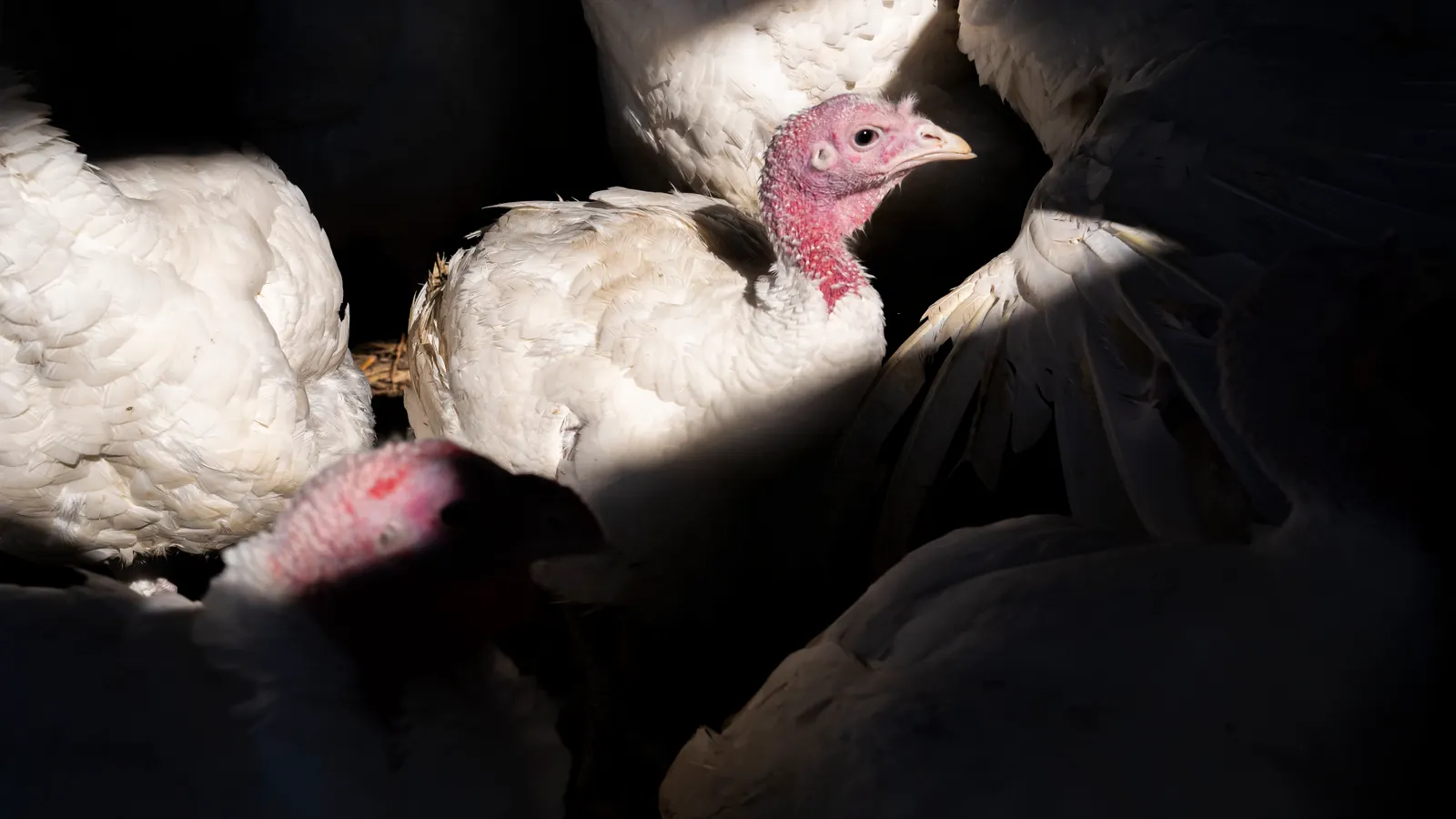
Cargill and Foster Farms are set to close several turkey plants across the United States, resulting in the loss of more than 1,600 jobs. The decision comes as the industry grapples with dwindling demand and the ongoing threat of bird flu, which has devastated many poultry farms.
The closures, which are expected to take place over the next few months, will affect facilities in California, Iowa, and Texas. Cargill, one of the largest agricultural companies in the world, has announced the shutdown of its turkey operations in Corning, Iowa, and Modesto, California. Foster Farms, a major poultry producer, has also announced the closure of its turkey plant in Fresno, California.
The layoffs will have a significant impact on the communities where these plants are located. Many of the workers affected have been with the companies for years, and the closure of these facilities will leave them searching for new employment opportunities. Local officials are already expressing concern about the economic repercussions of these closures and are working to support affected workers.
The decision to close these plants is not surprising, given the challenges facing the turkey industry. In recent years, bird flu has spread rapidly among poultry farms, leading to the culling of millions of birds and causing significant disruptions to the supply chain. The disease has not only affected domestic production but has also impacted international trade, as many countries have imposed restrictions on imports from affected regions.
In addition to the challenges posed by bird flu, the industry is also facing a shift in consumer preferences. Many Americans are increasingly choosing to reduce their meat consumption, with turkey in particular facing competition from other protein sources. The rise of plant-based alternatives and the growing popularity of vegetarian and vegan diets have contributed to a decline in demand for turkey products.
Cargill and Foster Farms have both cited these factors as reasons for their decision to close the plants. In a statement, Cargill said that the closures were necessary to "ensure the long-term sustainability of our operations." Foster Farms, meanwhile, has emphasized the need to adapt to "changing market conditions and consumer preferences."
The closures of these turkey plants are a stark reminder of the challenges facing the agricultural industry in the United States. As the country continues to grapple with the impacts of climate change, disease outbreaks, and shifting consumer tastes, many farmers and producers are forced to make difficult decisions about their future.
For the workers who will lose their jobs as a result of these closures, the challenges ahead will be significant. Many will need to navigate a competitive job market and may face the need to upskill or relocate in order to find new employment. Local communities will also need to come together to support these workers and their families, ensuring that they are not left behind in the face of these economic disruptions.
As the industry adjusts to these new realities, it will be important for policymakers and industry leaders to work together to find solutions that support both farmers and consumers. This may involve investing in research and development to create more resilient strains of poultry that are less susceptible to disease, as well as promoting sustainable farming practices that can help to mitigate the impacts of climate change.
In the meantime, the closures of these turkey plants serve as a cautionary tale about the fragility of the agricultural sector. While the industry has long been a cornerstone of the American economy, it is clear that the forces shaping its future are changing rapidly. As consumers continue to shift their preferences and new threats emerge, the ability of farmers and producers to adapt will be key to their long-term success.








