
Cargill, Foster Farms to close turkey plants as demand wanes
The closures, which will lead to layoffs of more than 1,600 people, come as bird flu ravages farms and consumer tastes change.
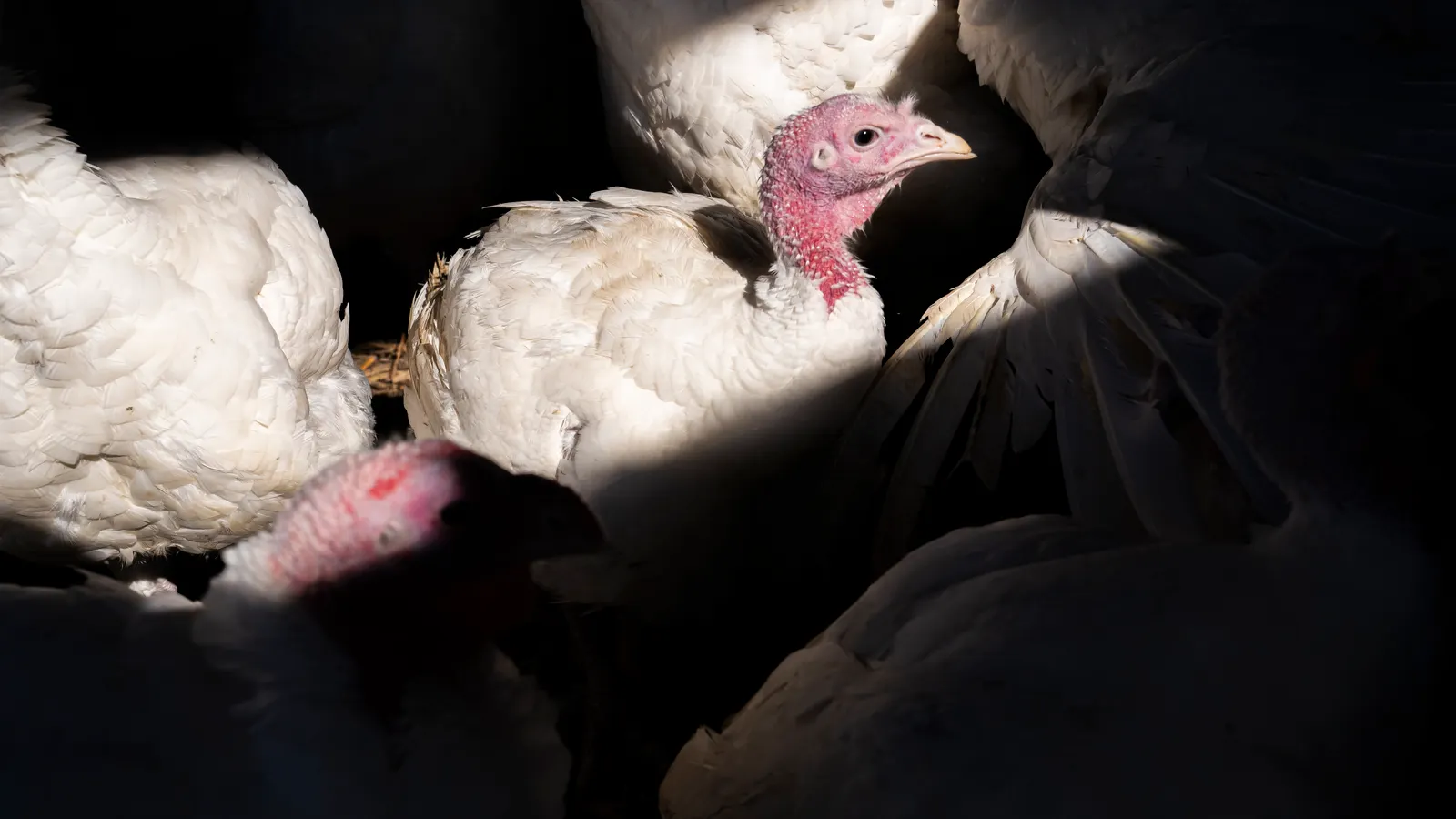
Cargill and Foster Farms, two of the largest poultry producers in the United States, have announced the closure of several turkey plants, resulting in the loss of over 1,600 jobs. The decision comes as the industry grapples with dwindling demand and the ongoing impact of bird flu outbreaks, which have disrupted production and supply chains.
The closures are part of a broader trend in the poultry industry, where companies are reevaluating their operations in response to shifting consumer preferences and economic pressures. In recent years, there has been a noticeable decline in the consumption of turkey, particularly in the United States, as more consumers opt for leaner proteins and plant-based alternatives. This shift has forced companies like Cargill and Foster Farms to reassess their strategies and streamline their operations to remain competitive.
Bird flu, or avian influenza, has also played a significant role in the decision to close these plants. The highly contagious virus has caused widespread devastation among poultry farms, leading to culling measures and reduced production capacity. As a result, the industry has faced challenges in meeting consumer demand, which has further exacerbated the financial pressures on producers.
The layoffs resulting from these closures will have a significant impact on the communities where the plants are located. Many of the affected workers are likely to be long-term employees who have built their careers in the poultry industry. The sudden loss of jobs could lead to economic instability in these areas, particularly if alternative employment opportunities are scarce.
In response to the closures, both Cargill and Foster Farms have stated that they are offering support to affected employees, including severance packages and assistance with job placement. However, the scale of the layoffs raises questions about the long-term sustainability of the poultry industry in the United States.
The decision to close these plants also highlights the vulnerability of the poultry industry to both market forces and external factors such as disease outbreaks. As the industry continues to navigate these challenges, it will be important for companies to adapt their strategies and invest in research and development to improve disease resistance in poultry and develop new products that align with changing consumer preferences.
In the meantime, the closure of these turkey plants serves as a stark reminder of the interconnected nature of the food supply chain. The impact of these closures will be felt not only by the workers who have lost their jobs but also by consumers who may face changes in the availability and pricing of turkey products.
As the poultry industry adjusts to these changes, it will be crucial for policymakers and industry stakeholders to work together to support affected workers and ensure the long-term viability of the sector. This may involve initiatives such as retraining programs, investment in research, and the implementation of more robust disease surveillance and control measures.
In conclusion, the closure of turkey plants by Cargill and Foster Farms represents a significant challenge for the poultry industry in the United States. The layoffs and community impacts will be felt for years to come, but the decision also underscores the need for the industry to adapt to changing market conditions and the threat of disease outbreaks. As the industry navigates these challenges, it will be important for all stakeholders to collaborate and find sustainable solutions to ensure the future of poultry production in the country.








