Canada-China Trade Reset Signals New Opportunities for Canadian Seed and Canola Exports
Renewed engagement, tariff relief and ongoing dialogue with China are being welcomed as exporters look for stability and market predictability The post Canada-China Trade Reset Signals New Opportunities for Canadian Seed and Canola Exports appeared first on Seed World .
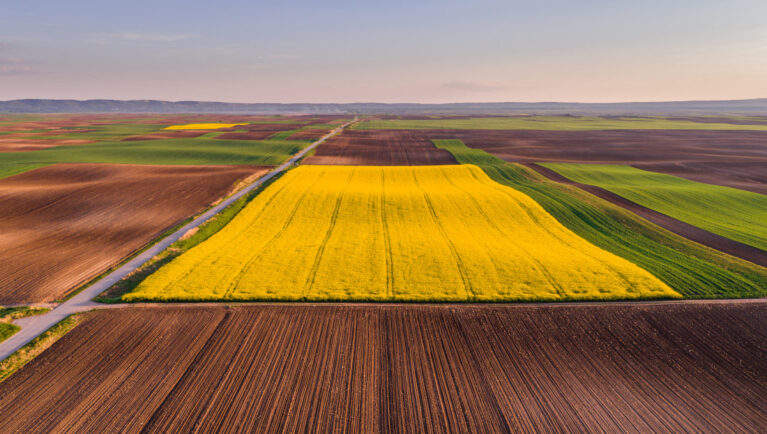
The Canada-China trade relationship has experienced a significant shift in recent weeks, with renewed engagement, tariff relief, and ongoing dialogue signaling new opportunities for Canadian seed and canola exports. This development is being met with enthusiasm by the seed and agri-food sectors, which have long sought stability and market predictability in their dealings with China.
For years, Canadian agri-food exporters, including those involved in seed production, have faced challenges in accessing one of the world's largest agricultural markets. The bilateral trading relationship has been marred by tariffs, non-tariff barriers, and abrupt disruptions, leading to uncertainty and making it difficult for Canadian businesses to plan for the future.
The Canadian Agri-Food Trade Alliance (CAFTA) has welcomed recent developments as an important step toward restoring stability in the Canada-China trade relationship. Greg Northey, president of CAFTA, stated that the prime minister's leadership has created new opportunities for the Canadian agri-food industry. Northey emphasized that the government's engagement with China has been a long-standing call for the sector, and the recent changes represent a "breath of fresh air."
The seed sector, in particular, relies heavily on stable and predictable trade frameworks. Market access conditions directly impact decisions related to acreage, trait development, investment in breeding programs, and export-oriented seed multiplication. Clear, rules-based systems are essential for supporting long-term planning across the value chain.
Michael Harvey, executive director of CAFTA, highlighted the vast potential for increased Canada-China agri-food trade, given that Canada produces the products that Chinese consumers desire. However, Harvey noted that continued engagement with China by government officials at all levels will be necessary to capitalize on these opportunities.
The renewed engagement between Canada and China is not limited to the seed sector. The agri-food sector as a whole is benefiting from reduced tariffs and progress on unresolved issues. This shift in the trade relationship is being viewed as a positive change that could lead to increased market access and predictability for Canadian exporters.
In the coming months and years, it will be crucial for both Canada and China to maintain open communication and address any remaining challenges in their trade relationship. By doing so, they can create a more stable environment for Canadian seed and canola exports, as well as other agri-food products.
The Canada-China trade reset represents a significant opportunity for Canadian businesses to expand their market reach and strengthen their position in the global agri-food sector. As the two countries continue their dialogue and work toward resolving trade issues, Canadian exporters can look forward to a more predictable and stable trading relationship, which will undoubtedly benefit the seed and canola industries, as well as the broader agri-food sector.